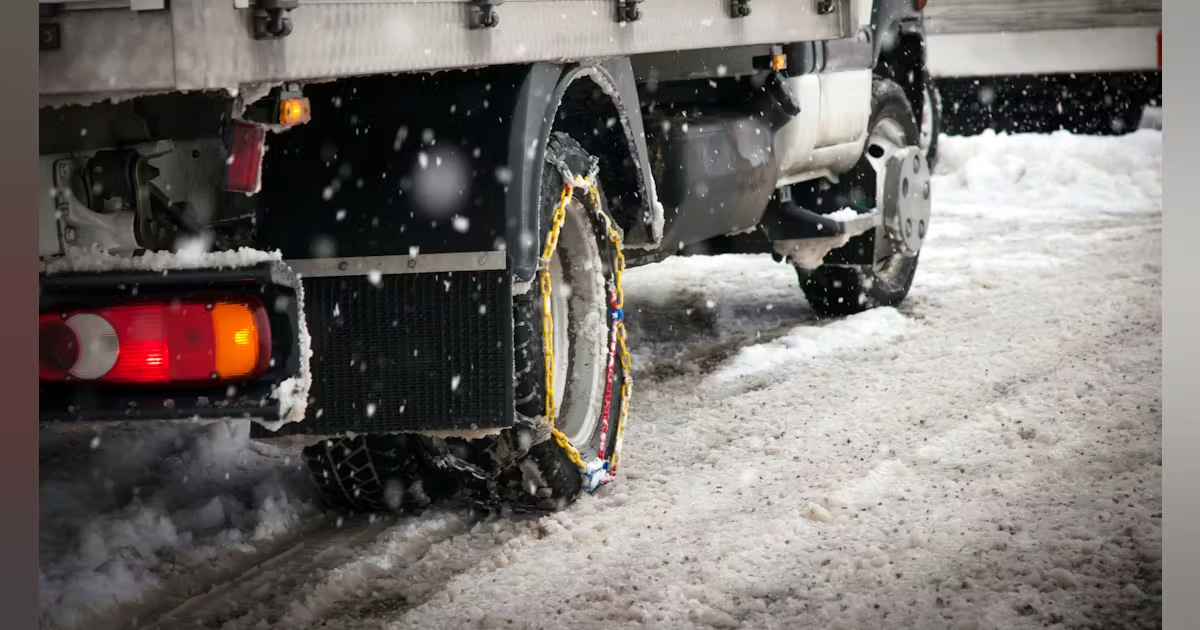
Common Mistakes Truck Drivers Make When Using Snow Chains
When winter roads turn icy and snowy, truck drivers often rely on snow chains to keep their heavy vehicles moving safely.
Chains give tires the extra grip they need on slippery surfaces, and in some areas, the law requires trucks to carry or use them.
Without proper traction, even the strongest commercial trucks can lose control, get stuck, or cause dangerous accidents.
But here’s the problem: many drivers make simple mistakes when using snow chains. These mistakes can damage the truck, shorten the life of the chains, or even make driving more risky instead of safer.
That brings us to the main question: What are the common mistakes truck drivers make when using snow chains, and how can they avoid them?
The truth is, most problems happen in three areas: installation, driving technique, and preparation.
Learning how to avoid these mistakes can save time, money, and stress on the road. And while chains are important, smart drivers also keep backup traction aids like TruckClaws, tow straps, or recovery tools in case chains alone are not enough.
What Are Snow Chains and Why Do Truckers Need Them?
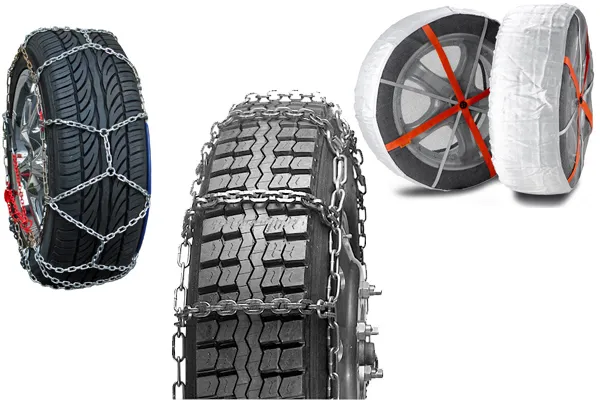
Snow chains, also called tire chains, are metal chains that fit around a truck’s tires to improve traction in snow and ice.
They bite into slippery surfaces and help prevent skidding on icy roads, giving drivers better control when braking, turning, or climbing steep hills.
Without them, even the best winter tires can struggle on mountain passes or during severe storms. For many truckers, snow chains are not just helpful — they are required.
The Department of Transportation (DOT) and some state authorities have chain laws that make it mandatory for commercial trucks to carry or use chains in winter conditions. Ignoring these rules can lead to fines and, more importantly, unsafe driving.
Still, snow chains are not the only option. In emergencies where chains may not work or are too slow to install, traction aids like TruckClaws can make a big difference.
Unlike mats or other tools, TruckClaws attach directly to the tire and give instant grip on snow, mud, or ice. This makes them a reliable backup for drivers who face unpredictable conditions on the road.
What Are the Most Common Installation Mistakes With Snow Chains?
Many problems with snow chains start before the truck even moves. A poor installation can cause damage to the truck tires, brake lines, or even the suspension. Here are the most common mistakes truck drivers make:
Loose Chains If chains are not tightened enough, they can slip or fall off while driving. This not only reduces traction in snow but can also hit the truck’s body or nearby vehicles.
Wrong Size Chains Using chains that do not match the tire size is risky. Oversized chains can whip around and damage the wheels or axle, while small chains may not even fit properly.
Installing Chains Backward Some drivers accidentally flip the chains inside-out. When this happens, the sharp ends may rub against the tire’s sidewall, leading to cuts or blowouts.
Uneven Tightening Chains must be tightened evenly across the tire. If one side is loose and the other side is tight, the chain may snag or slip, making driving unstable.
Skipping the Final Inspection Before moving the truck, drivers should always roll forward a few feet and re-check the chains. Skipping this step is one of the most overlooked snow chain safety tips.
To avoid these mistakes, always double-check the chain size, follow the installation steps slowly, and keep a pair of gloves in your cab for cold-weather handling. If chains fail in a dangerous spot, backup traction aids like TruckClaws can help you regain grip until chains are fixed.
What Driving Mistakes Do Truckers Make With Snow Chains?
Even if snow chains are installed correctly, the way a trucker drives makes a huge difference. Many accidents in winter happen because of simple driving errors while chains are on. Here are the most common mistakes:
Driving Too Fast Most chain makers recommend a maximum speed limit of 30 mph. Pushing beyond this can cause the chains to snap, which may damage the truck tires, axle, or nearby vehicles.
Driving on Dry Pavement Snow chains are meant for snow and ice. Using them on dry roads creates loud vibrations, wears down the tire tread, and weakens the chains quickly.
Not Removing Chains When Conditions Improve Some drivers leave chains on even after reaching clear roads. This reduces handling, increases stopping distance, and puts extra stress on the suspension and brake lines.
Pressing Too Much Gas Slamming the accelerator leads to wheel spin in snow, which makes the chains dig into the ground instead of gripping. Gentle and steady acceleration works best.
Braking Too Hard Heavy braking can lock the wheels, even with ABS brakes in winter, and cause skidding. Smooth, gradual braking is safer.
Oversteering or Making Sharp Turns Snow chains don’t prevent sideways sliding. Taking sharp turns at speed increases the risk of losing control and sliding across icy roads.
Safe winter driving is about patience. Drive slow, keep space between vehicles, and always plan for longer stopping distances. And remember, even with chains, it helps to carry backup traction aids like TruckClaws for emergencies where chains aren’t enough.
How Can Driving Technique Improve Safety With Snow Chains?
Even the best tire chains for trucks won’t help much if a driver uses the wrong habits on icy roads. Safe driving techniques are just as important as proper installation. Here’s what truckers should keep in mind:
Gentle Acceleration Pressing the gas too hard often causes traction loss in winter. Instead, ease onto the throttle slowly so the chains can grip the snow and ice without digging in or spinning.
Controlled Braking Always leave extra distance between your truck and the vehicle ahead. Braking slowly and smoothly prevents skidding. Even with ABS brakes in winter, the system only helps stop straight-line slides—it cannot prevent sideways skids if the truck is already turning too sharply.
Smooth Steering Movements Quick steering or jerky movements can make the truck slide across icy roads. Gradual, steady steering keeps traction and helps avoid accidents.
Add Extra Weight Placing sandbags or gear in the back of the truck can improve road grip in snow and ice, especially for empty trailers. The extra weight gives the tires more pressure against the surface, making the chains more effective.
Use ABS Wisely Remember that ABS is only one tool. It prevents the wheels from locking up but doesn’t replace good driving judgment. Patience and smooth control are still the key to safety.
By following these habits, truckers can get the most out of their snow chains while also protecting their vehicle. And as an added backup, having a tool like TruckClaws traction aids in the cab ensures that even if chains struggle, drivers still have a quick way to get unstuck.
What Preparation and Maintenance Mistakes Do Drivers Make?
Snow chains work best when truckers prepare the right way. Many mistakes happen before the chains even touch the tires. Here are the most common ones:
Using the Wrong Type of Chains Not all tire chains for trucks fit every tire. Choosing the wrong size or type can damage brake lines, suspension, and wheels, or make the chains useless in snow and ice.
Not Practicing Installation Trying to figure out chains on the side of a frozen road is stressful and dangerous. Drivers should practice installing them in safe conditions so they know exactly what to do when winter hits.
Skipping Chain Inspections Chains wear out over time. If a driver skips checking for broken links, rust, or weak spots, they risk chain failure during a storm. Regular inspection keeps them safe and ready.
Forgetting Essential Gear Chains alone are not enough. Drivers should carry a shovel, gloves, and an emergency kit. These simple tools make it easier to clear snow, handle chains safely, and stay prepared in tough conditions.
Not Carrying a Backup Traction Aid Sometimes chains break, get stuck, or simply can’t handle deep snow or sticky mud. Having a portable backup like TruckClaws traction aids gives drivers another way out without waiting for towing or roadside help.
Good preparation and maintenance are the difference between smooth winter travel and being stranded.
Are There Alternatives to Snow Chains for Heavy Trucks?
Snow chains are one of the most trusted winter driving safety tools for trucks, and in many regions, DOT chain laws even require them on icy or mountain roads. Still, they’re not the only option drivers have. Let’s look at some alternatives:
Snow Chains Chains bite into ice and packed snow, giving heavy trucks much-needed traction. They’re excellent for steep climbs and icy highways. However, they take time to install and can’t be used safely on dry pavement.
Traction Mats These lightweight mats can help smaller vehicles get unstuck, but they don’t hold up well under the weight of commercial trucks or semi-trucks. For big rigs, mats are more of a temporary fix than a reliable solution.
Tow Straps & Winches When chains aren’t enough, many drivers turn to tow straps or winches. These are strong recovery tools, but they often require another vehicle or careful setup. In bad weather or remote areas, that isn’t always practical.
TruckClaws A compact and portable tire traction aid, TruckClaws attach directly to the drive wheels in just a few minutes. They can help heavy trucks escape snow, mud, or ice when chains, mats, or winches aren’t practical. This makes them a valuable backup for truckers who want more than one recovery option.
In short: snow chains remain essential, but having backup traction aids like TruckClaws can save time and stress when the road gets tough.
Cost, Value, and Who Should Use Snow Chains
Snow chains are not a small investment, but for many drivers, they’re a must. Heavy-duty snow chains for commercial trucks often range from $100 to $300 or more, depending on tire size and build quality.
TruckClaws: a portable traction aid, often less costly than chains, designed for quick emergency use when a truck gets stuck.
Tow Straps and Winches: powerful recovery tools, but they require another vehicle or setup and can be more expensive.
Traction Mats: cheaper, but not reliable for the weight of heavy trucks.
So, who should invest in snow chains?
Commercial truck drivers and semi-trucks that face snow-covered highways or mountain passes.
Logistics companies moving goods year-round through winter routes.
Overlanders and long-haul truckers who drive in remote or harsh conditions.
For these groups, snow chains are not just about following chain laws—they’re about safety, compliance, and keeping schedules on track.
Pairing them with a backup like TruckClaws ensures drivers are prepared for any winter challenge.
Pros and Cons of Using Snow Chains
Like any tool, snow chains for trucks come with both strengths and limits. Knowing them helps drivers decide when and how to use chains safely.
Pros
Boost traction on snow and ice, giving heavy trucks more control.
Legally required in certain regions under DOT chain laws and mountain pass regulations.
Reusable for multiple seasons if stored and maintained properly.
Cons
Require manual installation, which can be difficult in freezing conditions.
Limited to about 30 mph maximum speed; driving faster risks breakage and accidents.
Can damage tires, wheels, or suspension if installed incorrectly.
Not effective on dry pavement or when chains are the wrong size.
For many truckers, snow chains are worth the effort. Still, keeping a backup traction aid like TruckClaws ensures drivers have another option when conditions change or chains fail.
Final Verdict: How Can Truckers Avoid Mistakes With Snow Chains?
Yes, snow chains do work for heavy trucks — but only when they are installed the right way, driven with care, and checked often. Most problems come from simple mistakes, like rushing the setup, using the wrong size chains, or pushing the truck too fast on icy roads.
To stay safe, truck drivers need to:
Take time to fit chains snugly and check them before moving.
Keep speeds below the 30 mph limit.
Remove chains once roads are clear to avoid damage.
Even with perfect installation, snow chains are not a complete solution. Safe winter driving also depends on gentle acceleration, smooth braking, and steady steering. That’s why truckers should carry backup traction aids like TruckClaws in their recovery kit.
They’re quick to attach and can help when chains fail, roads change, or the truck needs extra grip in snow, mud, or ice.
Bottom line: chains give trucks a fighting chance in winter, but avoiding mistakes — and being prepared with extra tools — is what keeps drivers moving and safe.