
Heavy trucks are strong machines, but even they can get stuck. Snow, mud, or loose sand can trap the tires and make it hard to move. When this happens, drivers often look for tools that can give their tires more grip.
One common question is: “Do traction plates really work for heavy trucks?” The short answer is yes. Traction boards or traction plates can help heavy trucks move out of tough spots, but only if they are built strong enough to handle the weight.
At the same time, they are not a perfect solution. They work best when used the right way, and sometimes they need to be combined with other recovery tools like tow straps, winches, or compact aids such as TruckClaws.
Traction plates, also called traction boards, are flat tools that you place under your truck’s tires to help them grip the ground.
They work by giving the tires a firm surface to climb onto instead of spinning in soft mud, snow, or sand. Drivers often use them as part of their tire traction aids or recovery gear.
Most heavy duty traction plates are made from tough materials so they can handle the weight of large trucks. The most common types are:
In short, traction plates are simple but powerful tools that give tires the extra bite they need when the road turns tricky.
Traction plates have a smart but simple design. Their teeth and grooves grab onto the truck’s tires and the ground at the same time.
This stops the tires from spinning in place and gives them something solid to push against. As a result, the truck can slowly climb forward instead of sinking deeper.
When used under the drive wheels, traction plates create a temporary path over soft ground like snow, mud, or sand.
Think of them as a bridge between your heavy truck and the firm ground it needs to move again.
Knowing how to use traction boards for commercial trucks is just as important as owning them.
Drivers should always place the boards carefully under the tires, apply steady acceleration, and avoid wheel spin. Used the right way, traction plates can save both time and effort when a heavy truck gets stuck.
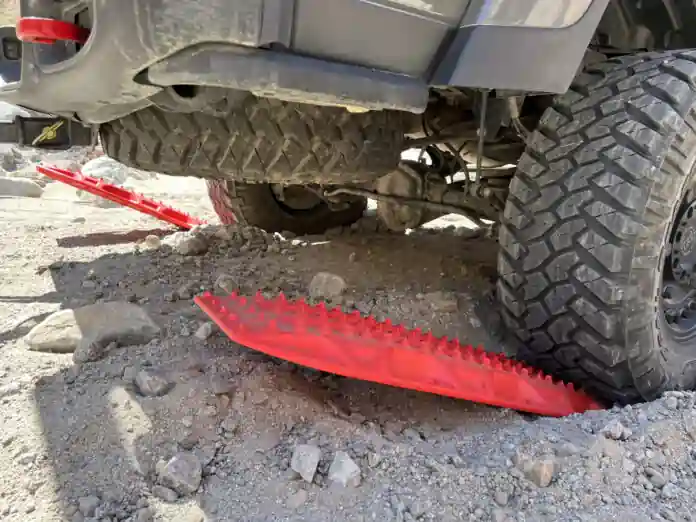
For heavy trucks, not every traction board will do the job. The key factor is load capacity. A semi-truck or big rig puts much more pressure on the boards compared to a smaller 4×4.
That’s why drivers need reinforced traction boards, either made from strong nylon or metal. Reinforced nylon vs metal traction boards is a common debate: nylon boards are lighter and easier to carry, but metal boards last longer under extreme weight.
Tires also play a role. Traction plates work best with all terrain (A/T) or mud terrain (M/T) tires because their deeper tread patterns grip the plates more effectively. Smooth or worn tires may still slip, even with the boards in place.
However, traction plates do have limits. They will not help if the truck is high centered (also called beached), where the chassis is stuck on the ground and tires lose contact.
They may also struggle in sticky, deep mud unless paired with other recovery tools like a winch, tow straps, or TruckClaws.
Still, for many conditions, they remain among the best traction boards for heavy trucks in mud and snow. When used correctly, they offer drivers a reliable way to regain movement without calling for roadside help.
Traction plates are especially useful in deep snow or on icy patches where tires would normally spin and sink. They create a firm base that prevents loss of momentum.
Pairing them with proper snow tires makes the results even better. In harsher winter scenarios, many drivers also rely on snow traction tools like TruckClaws or snow chains for added grip.
In mud, traction boards can help a truck push forward, but results depend on the thickness and stickiness of the mud.
For lighter vehicles, they often work well, but for heavy trucks, they may still need mud recovery tools like winches, tow straps, or heavy duty recovery boards.
In quick roadside emergencies, TruckClaws can sometimes provide faster relief because they attach directly to the tire.
On sandy trails or desert roads, traction boards act as sand ladders, spreading the weight of the vehicle and reducing the chance of digging in deeper. However, improper use (like spinning tires on the boards) can actually bury the truck more.
For best results, boards should be set up in front of the tires before spinning begins, giving the vehicle a stable path forward.
In short, traction plates are versatile across conditions, but choosing the right winter truck equipment, and knowing when to pair them with other recovery tools, makes all the difference.
To get the most out of traction boards or tire traction aids, technique matters as much as the tool itself. Here are a few best practices:
Using traction plates the right way reduces stress on both the boards and your vehicle, while making recovery faster and safer.
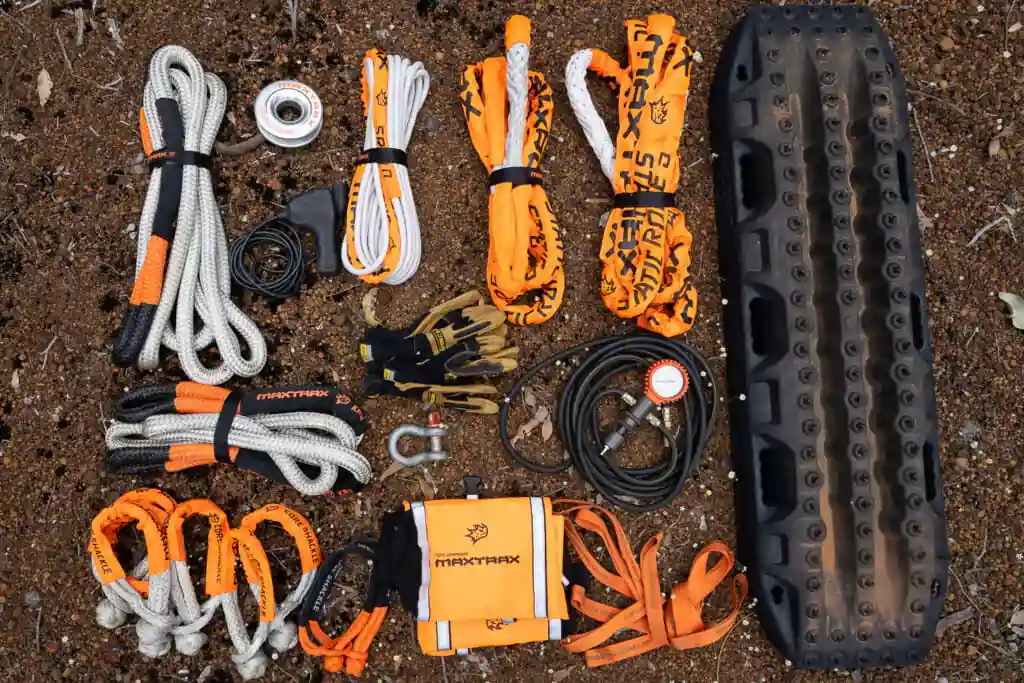
When heavy trucks get stuck, drivers often carry more than one recovery option. Let’s look at how traction aids vs snow chains and other tools stack up:
Each option has strengths. For the best safety and recovery, many truckers carry traction plates along with a tool like TruckClaws or a tow strap, depending on the route and weather conditions.
The price of traction boards can vary widely. Basic sets start around $50, $100, while heavy duty traction plates built for commercial trucks or large off road vehicles can cost $200 or more.
When compared to alternatives, traction plates are often a mid-range option. Snow chains may cost less but are limited to icy roads and can be harder to install. Tow straps are affordable, yet they depend on another vehicle to pull you out.
Winches are powerful but expensive and require proper mounting. In contrast, traction boards provide a balance of cost, portability, and independence.
So, who should consider investing?
For many drivers, traction plates are not just a tool but an insurance policy. The upfront cost pays off the first time they save you from a tow bill or hours of downtime.
Like most tire traction aids, traction plates come with both strengths and weaknesses. Here’s a quick look:
In short, traction plates are reliable, but knowing their limits helps you use them wisely.
Yes: traction plates do work for heavy trucks, but only when they are reinforced, sized for big rigs, and used with care. They give stuck tires the extra grip they need, especially when paired with A/T or M/T tires.
Still, traction plates are not a one size fits all fix. They can struggle in extreme mud or when a truck is high centered.
That’s why they should be seen as just one part of a full truck recovery kit, alongside winches, recovery straps, snow chains, and compact solutions like TruckClaws.
Truckers who prepare with the right mix of tools will always have the best chance of staying safe and mobile in snow, mud, or sand. In tough situations, being ready with the right gear makes all the difference.