
Driving on icy roads is one of the hardest challenges for any driver. Ice reduces tire grip so much that even a short stop can become dangerous. That is why choosing the best tires for icy roads is not just about comfort. It is about safety.
The right tires, like winter tires or snow tires, are built with soft rubber and special tread patterns that keep you in control even in freezing weather.
Tests have shown that these tires can cut down stopping distance on ice and give better traction compared to regular all season tires or summer tires.
Still, no tire is perfect for every situation. On steep icy hills or deep snow, even the best tires may slip. That is when carrying an extra traction aid, such as TruckClaws, can make all the difference.
TruckClaws are portable and strong, giving your vehicle the extra push it needs to get unstuck when conditions get really tough.
In this guide, we will look at the top tire options for icy conditions, compare how they perform, and also share tips on staying safe when roads turn into ice sheets.
Ice changes the way your car or truck moves. On a dry road, your tires grip the pavement, and stopping feels normal. But on ice, that grip almost disappears.
In fact, studies show that stopping distance on ice can be up to ten times longer than on dry pavement. That means if your car normally stops in 20 feet, it could take 200 feet on an icy road.
This is why specialized winter tires are so important. Unlike all season tires, they use soft rubber compounds that stay flexible in freezing temperatures. This flexibility allows the tire to mold slightly to the ice and snow, improving traction.
Another key part is the tread pattern. Snow tires often use deep grooves, V-shaped sipes, and directional tread designs that push water, slush, and snow away from the contact patch. This reduces slipping and helps the tires bite into the road surface.
Together, the right rubber compounds and tread designs give winter tires the edge you need for safer driving on ice. Without them, even a short trip can turn into a big risk.
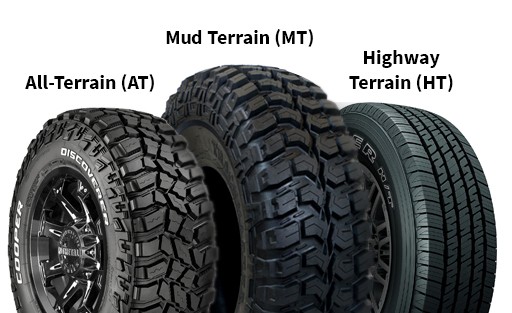
Not all tires handle ice the same way. The right choice depends on how often you drive in winter weather, local laws, and whether you prefer seasonal or year round options. Here’s a look at the main types:
Studded tires use tiny metal studs embedded in the tread that physically bite into ice. This gives unmatched traction when roads are frozen solid.
If you regularly face black ice or untreated roads, studded tires are the most secure option available.
Benefits: Exceptional grip and shorter stopping distances on ice.
Limitations: Louder on dry pavement, rough on roads, and often restricted by DOT
regulations. Some states ban or limit their use because studs can damage asphalt.
Example: The Nokian Hakkapeliitta R5 (studded version) is one of the best known models for icy conditions.
Studless winter tires use soft rubber compounds and advanced tread patterns to stay flexible in subzero temperatures. Instead of studs, they rely on deep grooves and 3D sipes to grip snow and ice.
Benefits: Quieter, legal everywhere, and excellent performance across snow, slush, and ice.
For drivers who don’t want the hassle of seasonal tire swaps, all weather tires are a practical compromise.
They carry the 3PMSF (Three Peak Mountain Snowflake) symbol, meaning they meet minimum snow traction standards.
Trade Off: While convenient, all weather tires still can’t match the grip of true winter tires on ice.
Both summer tires and standard all season tires fail when it comes to icy roads. Summer tires harden in freezing weather and provide almost no traction, while regular all seasons are designed for mild climates.
Benchmark testing shows summer tires excel in dry conditions but perform dangerously poor in snow or on ice. If you live in an area with real winters, they’re not a safe option.
To find out how well different tires handle icy conditions, experts at Tire Rack and the Keweenaw Research Center in Michigan ran a series of tests.
They used real world vehicles, including the BMW 330i xDrive and the Genesis G70, to measure stopping power, acceleration, and handling on frozen surfaces.
In nearly every test, the Nokian Hakkapeliitta R5 stood out as the top performer. It offered shorter braking, smoother acceleration, and better steering response.
This makes it a trusted choice in regions where icy roads are common throughout winter.
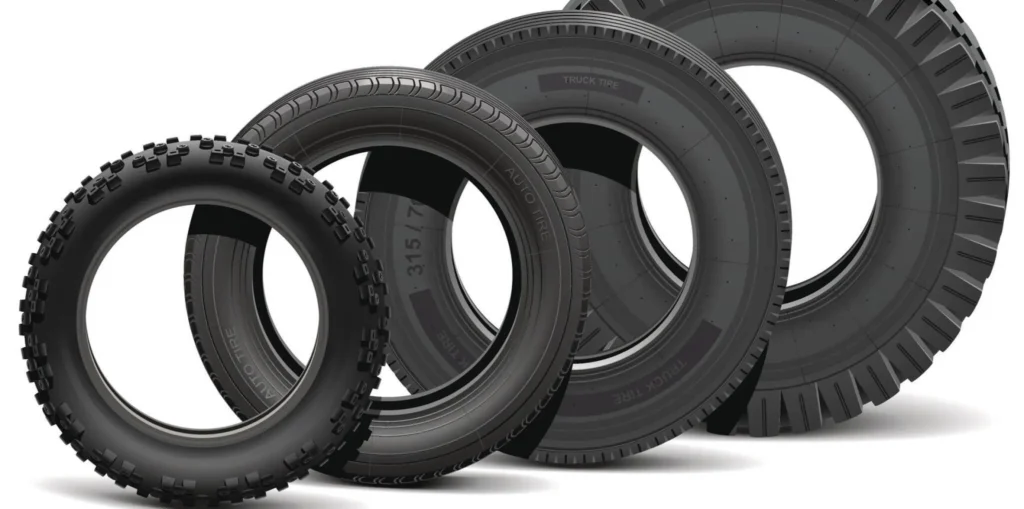
Not every vehicle needs the same type of winter tire. The best choice depends on what you drive, where you drive, and what you value most. Here’s a quick guide to help you decide:
Larger vehicles need tires that can handle heavy weight and deliver strong traction. Studded or studless winter tires are often the safest bet since trucks and SUVs can lose control quickly on ice.
For drivers who occasionally face winter roads, all weather tires may be a convenient option, but they still won’t perform like true winter tires.
EVs need tires that balance low rolling resistance (for better range) with reliable winter grip. Look for EV rated winter tires that have reinforced sidewalls and softer rubber compounds designed for icy conditions. Choosing the wrong tire could shorten range or reduce safety in slippery weather.
For smaller cars, studless winter tires such as the Michelin X-Ice Snow or Bridgestone Blizzak WS90 usually provide the best mix of grip, comfort, and road noise control. These tires are quieter than studded options and are legal everywhere.
Winter tires usually wear faster than summer or all season tires. However, some brands back their products with tread life warranties.
For example, the Nokian WRG5 includes a mileage warranty, which is rare in winter tires and adds extra value for long term use.
Road noise and comfort also matter. Studded tires are the loudest but offer the most bite on ice. Studless tires are quieter and smoother, while all weather tires strike a balance between comfort and all season convenience.
Yes, adding a quick recommendation list would be an excellent move. It makes the section more reader friendly, helps skimmers quickly find what they need, and improves SEO with natural keyword placement.
Even with the best winter tires, icy roads can still be dangerous. Safe driving habits and preparation make a big difference. Here are some important tips to follow:
Cold weather lowers tire pressure, which can reduce grip and cause uneven wear. Always check your pressure before heading out, and keep it at the recommended level for your vehicle.
Quick moves on ice can cause skidding. Instead, apply the gas and brakes slowly to keep traction. Leave extra space between you and the car in front to account for longer stopping distances on icy roads.
Modern cars come with ABS brakes, traction control, and stability systems. These features help you stay in control when tires slip. Don’t fight them, allow the systems to work, especially during emergency stops.
Always keep an emergency kit in your car. Pack essentials like a blanket, flashlight, ice scraper, first aid kit, and some food and water.
Also include a traction aid such as TruckClaws, which can give your tires the extra bite needed if you get stuck on ice or packed snow.
They’re easier to carry than sand or heavy mats and can save you from waiting for roadside help.
The top choice is the Nokian Hakkapeliitta R5 (studded version). It offers unmatched traction and shorter stopping distances on ice. Other good options include winter tires from Bridgestone and Michelin with studs.
Laws vary by location. Some states allow studded tires only during winter months, while others ban them entirely because they can damage roads. Always check DOT regulations or local traffic rules before buying.
All weather tires like the Michelin CrossClimate2 or Pirelli Cinturato WeatherActive can handle light snow and occasional icy roads, but they still don’t match the grip of true winter tires. If you live in a region with frequent ice, dedicated winter tires are safer.
Even the best winter tires can slip on steep icy hills or deep snow. Portable traction aids like TruckClaws, snow chains, and tire socks can give your vehicle the extra bite needed to get moving. TruckClaws are especially useful for trucks and SUVs. They’re easy to deploy and durable for repeated use.
Both are excellent studless winter tires. The Michelin X-Ice Snow is slightly quieter and smoother, while the Bridgestone Blizzak WS90 excels in wet braking and ice traction. Your choice depends on whether you value comfort or maximum grip in extreme ice conditions.
The safest way to drive on icy roads starts with the right tires. Winter tires are your first line of defense, offering the best traction on ice and snow.
While all weather tires can handle light snow and occasional ice, they still can’t match the performance of true winter tires in harsh conditions.
Even with the best tires, unexpected ice or deep snow can create trouble. That’s why carrying a reliable traction aid like TruckClaws is essential.
TruckClaws give your tires extra grip when you get stuck, helping you avoid dangerous situations and reach your destination safely.
By choosing the right tires and preparing with emergency traction aids, you can drive with confidence and stay safe all winter long.
Layering safety, tires first, then backup tools like TruckClaws, is the smartest strategy for icy roads.