
Tow truck work is changing fast. In the past, operators only used physical tools like winches, chains, and traction aids to pull stuck vehicles. Today, new technology is helping them do the job faster and safer. One of the biggest changes is the use of AR tools for tow trucks.
These Augmented Reality (AR) systems use smart glasses, mobile apps, and head up displays to show helpful digital information right in front of the driver’s eyes.
This means operators can see repair guides, hazard alerts, and step by step directions without looking away from their work. Still, traction tools like TruckClaws remain important for getting vehicles out of mud, sand, or snow.
By combining strong recovery tools with smart AR technology, towing is becoming more efficient, safer, and ready for the future.
Tow truck operators rely on a range of physical recovery tools to get vehicles safely out of tough spots. Common equipment includes winches, chains, hooks, dollies, and hydraulic jacks.
These tools help lift or pull vehicles that are stuck in mud, snow, or sand. But when a vehicle loses traction, operators need something extra to get the wheels moving again. That’s where traction aids like TruckClaws come in.
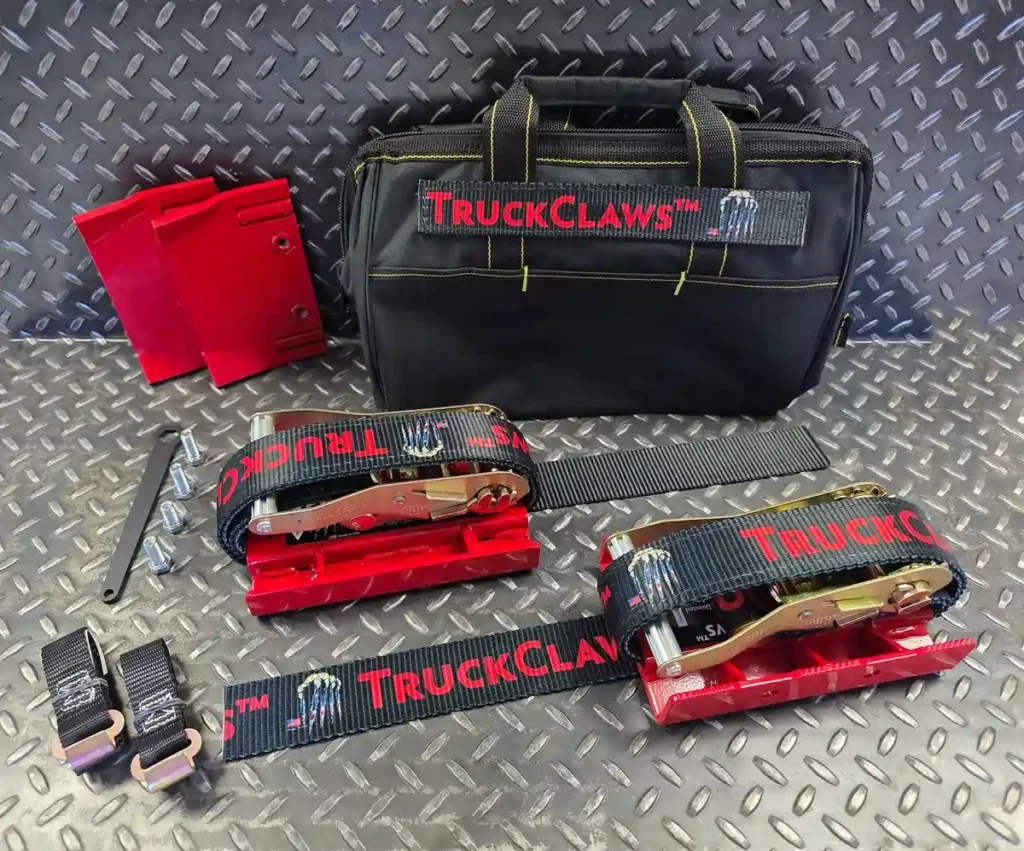
TruckClaws are portable traction devices that attach directly to the tire, giving the wheel a strong grip on slippery surfaces. They work faster and are easier to use than heavy traction mats or boards.
For tow truck drivers working in bad weather or on uneven ground, having TruckClaws ready can save time and prevent further damage to the vehicle.
Even with the best physical tools, towing can still be difficult. Drivers often deal with poor visibility, rain, ice, and traffic hazards.
On top of that, many modern vehicles have complex electrical systems that make diagnosis harder. Training new operators also takes time and real world experience.
This is where AR technology in the towing industry can help. AR tools can guide operators step by step, show hidden parts of the vehicle, and alert them to nearby dangers.
With AR glasses or AR enabled apps, drivers can receive real time instructions or expert help without stopping their work.
Combining traditional recovery gear like TruckClaws with modern AR solutions gives operators the best of both worlds, mechanical strength and digital precision.
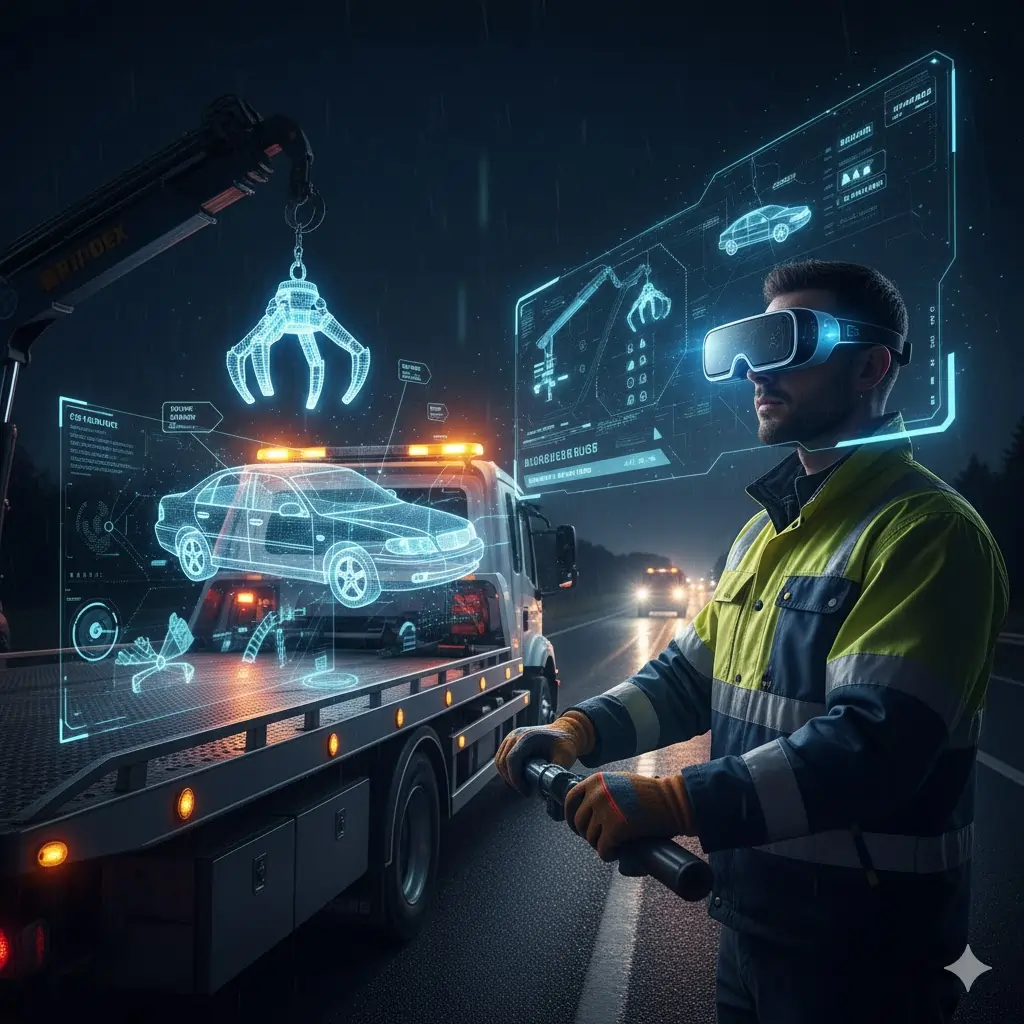
Augmented Reality (AR) enhances the real world by overlaying digital information: such as graphics, instructions, or data, onto a live view of the surroundings.
Unlike Virtual Reality (VR), which immerses users in a fully digital environment, or Mixed Reality (MR), which merges physical and digital worlds interactively, AR focuses on enhancing the operator’s real time view rather than replacing it.
For tow truck operators, this means using AR glasses, smart displays, or heads up display (HUD) systems that project vital data directly into their field of vision.
These tools can show vehicle diagnostics, route guidance, or even live mechanical diagrams without needing to look away from the task.
In the towing industry, AR can be applied in several key ways:
When paired with reliable traction devices like TruckClaws, operators can handle tough roadside recoveries efficiently, using physical traction for vehicle extraction and AR for real time decision support.
AR tools are reshaping how tow truck operators work by making operations faster, safer, and smarter.
In short, while tools like TruckClaws handle the physical traction challenges, AR technologies handle the cognitive and situational challenges, helping operators work more efficiently and safely in every recovery scenario.
Several AR hardware devices are transforming how tow truck operators work in the field. These tools are built to withstand tough outdoor conditions and offer hands free access to digital information.
By combining these AR wearables with traction aids like TruckClaws, operators can maintain full control over physical recovery efforts while getting live support, instructions, and diagnostics through their AR displays.
While AR hardware brings visuals to life, AR software platforms and fleet management systems make the experience functional and connected.
These AR systems can also integrate with popular towing and tracking software like Towbook, Samsara, and Fleet Complete.
Together, they create a connected towing ecosystem where physical recovery tools like TruckClaws handle traction challenges, and AR systems provide digital insight, coordination, and safety support.
One of the most powerful uses of AR tools in towing is real time remote assistance. Tow truck operators can use AR glasses or mobile apps to stream live visuals from the recovery site directly to experts or supervisors.
These experts can then provide step by step guidance, highlight parts on the display, or mark safety zones through AR overlays.
This setup is extremely helpful when dealing with complex recoveries or unfamiliar vehicle systems, where quick expert advice can prevent damage or delays.
While the operator handles the physical work, like attaching TruckClaws for extra traction, the remote expert can focus on diagnostics and strategy, improving both speed and accuracy.
AR also supports diagnostics and repair tasks by displaying fault codes, connection points, and repair instructions directly on the operator’s view. This means no need to switch between manuals or apps, everything is visible in real time on the truck or the towed vehicle itself.
By using AR overlays, technicians can trace electrical lines, check fluid levels, or follow exact sequences for mechanical adjustments. This reduces human error, minimizes downtime, and helps ensure vehicles are safe before towing.
AR systems also make it easier to perform quick on site maintenance on the tow truck itself, keeping operations smooth and efficient.
Training new tow truck drivers often takes time and experience, but AR based simulations make the process safer and faster. Using AR modules, trainees can practice winching, towing, and traction recovery in virtual environments before working on real roads.
These modules can simulate realistic recovery challenges, like pulling out a car stuck in snow or sand using TruckClaws. AR also helps new drivers learn to spot roadside hazards, secure vehicles properly, and follow safety protocols.
This form of training builds confidence without risk, preparing operators for real life challenges in a controlled way.
With AR Heads Up Displays (HUDs), navigation and safety information appear directly on the windshield or AR headset. Operators can see routes, hazard warnings, and obstacle zones without looking down at a GPS or phone.
This feature keeps their attention on the road and recovery site, reducing distractions and accidents. In bad weather or low light conditions, AR safety overlays can mark slippery areas, traffic flow, or safe tow zones, allowing operators to react quickly.
Combined with traction aids like TruckClaws, these AR systems help ensure that both the tow truck and the vehicle being rescued remain stable and secure throughout the process.
Augmented Reality (AR) doesn’t replace the trusted physical tools that tow truck operators rely on, it strengthens how they’re used. Tools like winches, chains, and traction aids such as TruckClaws handle the physical recovery, while AR adds a layer of digital precision.
For example, when using TruckClaws to gain traction on a muddy or icy surface, AR glasses can overlay visuals showing the best wheel placement or traction angle.
This digital guidance helps operators position traction tools more effectively, reducing trial and error in tough terrain.
By combining physical power with visual insight, AR makes each recovery faster, safer, and more controlled, especially in poor weather or low visibility situations. It’s the perfect balance between manual expertise and smart assistance.
AR tools also make towing operations more organized and data driven. With AR based visual instructions, operators can see exactly where to attach traction devices, chains, or tow hooks for the safest and strongest recovery. This reduces mistakes, saves time, and ensures vehicles are secured correctly before moving.
Beyond on site help, AR apps can record recovery steps, capture photos, and store data for training and fleet reports. Supervisors can later review these logs to analyze efficiency, improve training programs, or refine recovery techniques.
When combined with reliable traction aids like TruckClaws, these smarter workflows turn challenging roadside recoveries into streamlined, well documented operations that benefit both the crew and the fleet.
As weather hazards and complex recovery situations increase, tow truck technology is rapidly evolving. Innovations like AR tools are just one part of the broader shift explored in The Future of Truck Recovery Technology, where automation, sensors, and smart diagnostics are redefining modern towing.
The towing industry is moving toward a future where AR, AI, and IoT technologies work together to make recoveries faster and safer. AI powered fleet systems can soon analyze road and weather data to predict traction problems before the tow truck even arrives.
With AR assisted autonomous towing, operators could see digital overlays that show terrain risks, towing angles, or the best recovery points in real time.
In these scenarios, AR data may sync with vehicle sensors to anticipate where wheels could lose grip or where extra traction is needed. This is where TruckClaws will continue to play a vital role, offering the physical traction support that technology alone can’t replace.
By combining smart towing systems with reliable traction aids, the future of recovery will be both intelligent and hands on.
Like any new technology, AR adoption in towing comes with challenges. The cost of AR hardware such as smart glasses and HUD systems can be high, and many operators still need training to use AR effectively. Some towing companies hesitate because they’re unsure about the return on investment.
However, as commercial towing fleets and roadside service providers begin seeing real safety and time saving benefits, AR is becoming more common.
The rise of affordable AR software and cloud based fleet platforms is also making it easier for smaller companies to join in.
With proper training and gradual adoption, AR will soon be as essential to towing operations as winches, recovery straps, or TruckClaws, turning every tow truck into a smart, connected rescue unit.
Augmented Reality (AR) tools are reshaping how tow truck operators work, learn, and respond to emergencies. With AR glasses, smart displays, and guided visuals, drivers can diagnose issues, follow repair steps, and navigate complex recovery scenes with greater confidence and safety.
But even with all this advanced technology, physical traction aids like TruckClaws remain essential when it comes to real world performance.
By combining digital precision from AR with the mechanical strength of tools like winches, chains, and TruckClaws, towing professionals get the best of both worlds.
This powerful mix marks the rise of hybrid towing solutions, a future where technology and trusted equipment work side by side to ensure faster, smarter, and safer vehicle recoveries.