
Winter trucking is not the same as summer hauling. Cold weather brings snow, black ice, and winter storms that can turn a simple trip into a risky journey.
For truck drivers, every mile in winter needs more focus, better planning, and the right safety tools.
Some states are easier for drivers because they have strong road infrastructure, smoother highways, and safe parking areas.
Others are much harder because of icy roads, heavy snowfall, poor maintenance, or high accident rates.
Truckers also share that the way local drivers behave and how quickly states clear their highways makes a big difference.
In this guide, we’ll break down the best and worst states for winter trucking.
You’ll see which states have safer roads, which ones are the most dangerous, and what gear—like chains, traction mats, and emergency traction aids such as TruckClaws—can help you stay safe when the roads get tough.
Not all states treat truckers the same in winter. Some places make the job easier with smooth highways, good parking spots, and quick road clearing after snow.
Others are much harder, with potholes, icy bridges, and long stretches without safe rest stops.
The first big factor is road infrastructure and maintenance. A state with strong roads and regular repairs gives truckers smoother, safer drives.
On the other hand, roads full of cracks and bumps can damage tires and slow down deliveries.
The second factor is weather severity. States in the snowbelt regions face heavy snowfall, black ice, and blizzards. Even skilled drivers find these conditions stressful and dangerous.
Another key point is parking and rest stop availability. Truckers often need safe places like Pilot, TA, or Love’s truck stops to pull over during storms. If a state lacks these, drivers may be forced to risk unsafe parking.
Accident and fatality statistics also help identify dangerous states. Places like Michigan or Wyoming often appear in reports for high winter crash numbers. These numbers show where truckers face the toughest risks.
Finally, real trucker feedback matters. Many drivers share stories about bumpy highways, icy bridges, or states that respond slowly to storms. Their experience helps paint a clearer picture than data alone.
No matter where you drive, even in the best states for winter trucking, it’s smart to carry traction tools like chains, mats, or TruckClaws. These give you a backup when snow and ice make it impossible to move forward.
Some states stand out for making winter hauling a little less stressful. Good infrastructure, safe parking areas, and steady road maintenance help truckers keep moving, even when the weather gets tough. These are often seen as the safest states for truck drivers in winter.
Ohio is one of the top choices. The state has reliable infrastructure, many truck stops, and plenty of parking options. Even with heavy snow, Ohio clears roads quickly, which keeps trucks rolling.
Tennessee is another strong option. Its smooth highways and moderate winters give drivers a break from the harsh snowbelt conditions. Better-maintained roads also mean less wear on tires and suspensions.
Texas offers wide road networks and more parking spots compared to many other states. While the weather can shift between icy storms in the north and mild roads in the south, most truckers find Texas easier to handle than northern routes.
Virginia helps truckers with well-planned routes and rolling hills that are easier to drive compared to steep mountain passes. Snow can still hit, but roads are managed well.
Wyoming (when clear) gives drivers some of the most beautiful highway views in the country. On clear days, the roads are smooth and open. But truckers also warn that storms here can quickly change a safe drive into a risky one.
Together, these states show how good planning, road care, and safe parking make a big difference in winter trucking.
Not every state makes winter driving easier. Some are known for rough highways, poor maintenance, and higher crash numbers. Others face extreme weather that turns long hauls into dangerous challenges. These are often marked as the most dangerous states for winter trucking accidents.
Michigan and Indiana are at the top of the list. Both states have pothole-ridden roads and uneven highways that damage tires and suspensions. Michigan is also known for a high number of winter crashes, making it one of the hardest states for truckers.
Alaska and Wyoming (during storms) are some of the toughest places to drive. These states see blizzards, icy winds, and whiteout conditions. The fatality rates for winter accidents here are among the highest in the country.
New Mexico, Montana, and South Dakota are also risky. Their long rural highways often turn icy in winter, with fewer rest stops and limited infrastructure to help truckers during storms.
New Jersey and Louisiana (Shreveport) frustrate many drivers because of poor road quality and stressful traffic patterns. Even without heavy snow, bad road conditions create a tough ride.
Oklahoma City divides truckers. Some find it unsafe due to slower drivers and tricky roads, while others feel it has better driver safety compared to other regions.
These states show how bad weather, poor infrastructure, and high accident risks make trucking in winter far more dangerous.
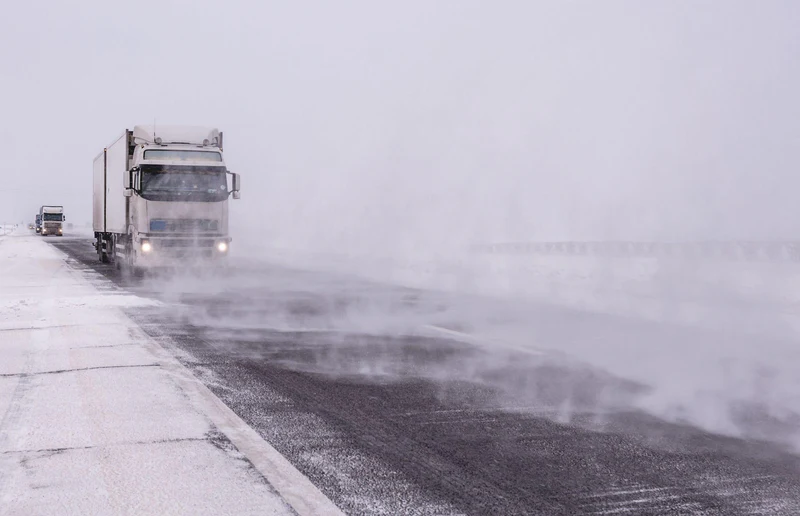
Winter isn’t only about which state you drive in—it’s also about the highways and routes you take. Some stretches of road are famous for snow, ice, and strong winds, making them extra dangerous for big rigs.
I-80 is one of the toughest. In Wyoming, Nebraska, and Pennsylvania, truckers deal with blowing snow, black ice, and high winds. Many call it one of the most stressful highways in winter.
I-70 in Colorado is another big challenge. Its mountain passes have steep grades where brakes can overheat, and snow often makes climbing or descending even harder.
I-90 runs across northern states where heavy snow and freezing conditions are common. Long hauls on this road can feel endless when storms roll through.
The Snowbelt regions near the Great Lakes and Midwest are also risky. Lake-effect snow can pile up fast, creating sudden whiteouts and slick pavement.
For truckers, knowing these routes helps with trip planning and safety. Even when driving in the best states, these highways can quickly turn into dangerous paths during winter storms.
Driving through winter is more than just cold and snow. Truckers face problems that can slow them down or even put them in danger.
One of the biggest threats is black ice. It’s nearly invisible and can make a truck lose control in seconds. Snow drifts and icy bridges also make highways tricky, even when the rest of the road looks clear.
Road closures are another challenge. A single storm can shut down highways for hours or days, which puts pressure on supply chains and delivery schedules.
Trucks themselves also struggle in the cold. Fuel gelling, frozen brakes, and tire blowouts happen more often when temperatures drop.
These breakdowns are not only expensive but also leave drivers stranded in unsafe conditions.
On top of that, winter hauling means long hours in stressful conditions. Staying alert while fighting the weather takes a heavy toll on both mind and body.
All of this shows how tough truck driver survival in winter weather can be. That’s why being prepared with good planning, safe routes, and the right gear is so important for every driver.
Winter roads demand extra care from truck drivers. Even the most skilled haulers know that safety comes first when snow and ice hit. Here are some must-follow tips:
Being prepared with these safety steps and tools makes a big difference in surviving the toughest winter conditions on the road.
Winter trucking is never the same from one state to another. The best states—like Ohio, Tennessee, and Virginia—give truckers smoother rides thanks to better roads and strong infrastructure.
But the worst states—such as Michigan, Indiana, and Alaska—bring higher risks with rough roads, icy highways, and unpredictable storms.
The real lesson is clear: your safety depends not just on the state you drive through but on how well you prepare. Good planning, smart driving, and the right gear can make all the difference.
Whether you’re crossing the snowy I-80 or battling icy bridges in Michigan, truckers who carry proper traction tools—especially TruckClaws as a trusted emergency traction solution—are far better prepared to keep rolling safely through winter’s toughest challenges.
The safest states are usually those with good road infrastructure and steady maintenance, such as Ohio, Tennessee, and Virginia.
These states see less extreme snow compared to places like Michigan or Alaska, making them easier for truck drivers in winter.
States like Michigan, Indiana, and Alaska are among the most dangerous for winter trucking accidents.
Michigan is known for potholes and icy highways, while Alaska’s harsh storms and rural roads make it especially risky.
Truckers often rely on chains, traction mats, and emergency traction tools to stay safe.
While chains are required in some mountain passes and mats help in icy parking lots, many drivers also keep TruckClaws for quick traction when stuck in snow, ice, or mud.
Yes, in many cases. TruckClaws are more flexible because they work on semi-trucks and pickups and can be attached quickly when wheels are spinning.
Unlike mats that only help on flat spots, TruckClaws give trucks the power to climb out of deep snow, ice, or even mud, making them one of the best traction aids for winter driving.