
Green transport policies are plans and strategies made by governments and organizations to reduce the environmental impact of transportation.
They focus on using sustainable transportation, low-emission vehicles, and public transit systems to make cities cleaner and safer.
These policies help reduce air pollution, lower greenhouse gas emissions, and create healthier communities for everyone.
The main goal of green mobility initiatives is to make travel more eco-friendly while still meeting the needs of people and goods.
This includes encouraging electric vehicles (EVs), hydrogen fuel cell vehicles, and safe options for walking and cycling through bicycle lanes and pedestrian infrastructure.
Even as cities adopt modern low-emission public transit and clean vehicle fleets, practical tools for heavy vehicles remain important.
For example, TruckClaws help trucks maintain traction in winter or slippery conditions, showing that sustainable transport also benefits from smart, hands-on solutions.
Using such tools alongside green transport policies ensures safety and efficiency on the roads while supporting environmental goals.
Sustainable transportation means moving people and goods in ways that reduce harm to the environment. Its purpose is to keep cities clean, improve air quality, and lower greenhouse gas emissions.
Governments and organizations promote green mobility initiatives to make transportation safer for both people and the planet.
One of the key goals is to shift toward zero-emission vehicles (ZEVs), like electric buses, trucks, and hydrogen fuel cell vehicles, which help reduce reliance on fossil fuels.
Another goal is to encourage low-emission vehicles and more use of public transit systems, such as electric trains and buses.
Vehicle emissions regulations and transport pricing mechanisms play a big role in reducing environmental impact.
Rules that limit vehicle pollution and pricing tools that discourage heavy car use help cities reduce congestion and improve air quality. These policies work together to make sustainable mobility practical and achievable.
Even as governments push for cleaner transport, practical tools for trucks and heavy vehicles, like TruckClaws, remain important.
They ensure that vehicles can operate safely in slippery or snowy conditions without increasing environmental risk.
Cities can reduce traffic and pollution by supporting public transit systems, like electric buses, trains, and trams. These options move more people efficiently and produce much less pollution than private cars.
Another important step is developing cycling infrastructure and pedestrian-friendly spaces. Bike lanes and safe walking paths encourage people to use non-motorized transport, which lowers emissions and makes cities healthier.
A great example is Bogota’s Transmilenio BRT system, which improved urban mobility, reduced congestion, and helped clean the air.
Integrating these systems with Transit-Oriented Development (TOD) ensures that housing, workplaces, and shopping areas are close to transit, making sustainable travel convenient and practical.
Even with better public transport, trucks and heavy vehicles still need practical solutions for safety and efficiency. Using TruckClaws as a traction aid can help maintain control in slippery conditions while supporting greener transport practices.
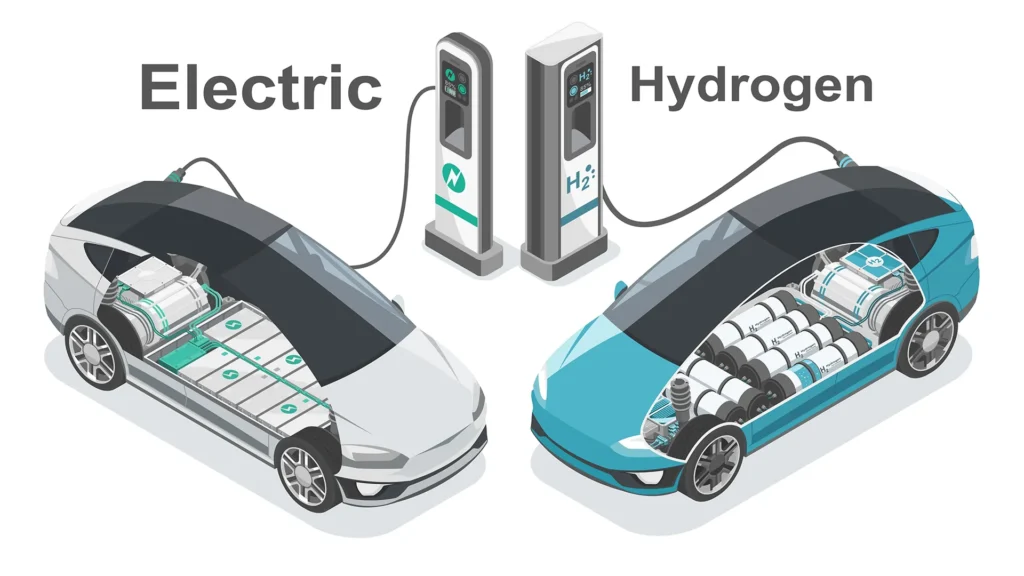
Shifting to electric vehicles (EVs) and hydrogen fuel cell vehicles is a key part of sustainable transport policies. These vehicles reduce greenhouse gas emissions and lower dependence on fossil fuels, helping cities stay cleaner and healthier.
Governments can encourage this shift through incentives and fiscal tools, such as tax breaks, subsidies, or reduced fees for low-emission vehicles.
Supporting EV charging infrastructure is also essential, making it easier for drivers to use electric vehicles for daily commutes and long trips.
Fleet electrification—adopting EVs for buses, delivery trucks, and other fuel efficient heavy-duty vehicles further reduces emissions and promotes green mobility initiatives.
Even with cleaner vehicles, trucks sometimes face winter or emergency traction challenges. Practical tools like TruckClaws can provide extra grip on icy or slippery roads, showing how sustainable policies can work alongside real-world solutions for safety and efficiency.
Building strong public transport systems is key to sustainable transportation. Expanding networks of electric buses, trains, and trams makes it easier for people to travel without using private cars, reducing traffic and improving air quality.
Setting up EV charging infrastructure supports the shift to electric vehicles (EVs) and hydrogen fuel cell vehicles, allowing drivers to charge their vehicles conveniently across cities and highways.
Cities can also create bike lanes and pedestrian-friendly spaces to promote walking and cycling, giving residents cleaner, healthier options for daily travel.
Smart traffic management systems and mobility apps help optimize urban transport, reduce congestion, and improve overall efficiency.
These digital mobility tools let authorities monitor traffic flow, manage signals, and guide commuters to less crowded routes, supporting green mobility initiatives and sustainable urban planning.
Even with strong infrastructure, trucks and heavy vehicles sometimes need extra traction in winter. Tools like TruckClaws ensure safety when driving on slippery roads while complementing the overall green transport strategy.
Strong vehicle emissions regulations are essential for reducing greenhouse gas emissions and improving air quality.
These rules ensure that cars, buses, and trucks meet environmental standards, supporting clean energy transport and green mobility initiatives.
Economic instruments such as carbon taxes, congestion charges, and other pricing mechanisms help internalize the external costs of transport.
By making drivers and companies pay for pollution or traffic impacts, these tools encourage a shift toward public transit systems, EVs, and other low-emission transport options.
Integrated planning is another key factor. Linking land-use planning with transport infrastructure reduces unnecessary traffic and promotes sustainable travel patterns.
For example, Transit-Oriented Development (TOD) designs neighborhoods around public transport, making walking, cycling, and mass transit convenient.
Strong institutional capacity and governance are necessary to enforce policies and coordinate across sectors.
Frameworks from organizations like OECD and International Transport Forum(ITF) guide cities and countries to implement sustainable transport strategies effectively, balancing economic growth, environmental health, and social equity.
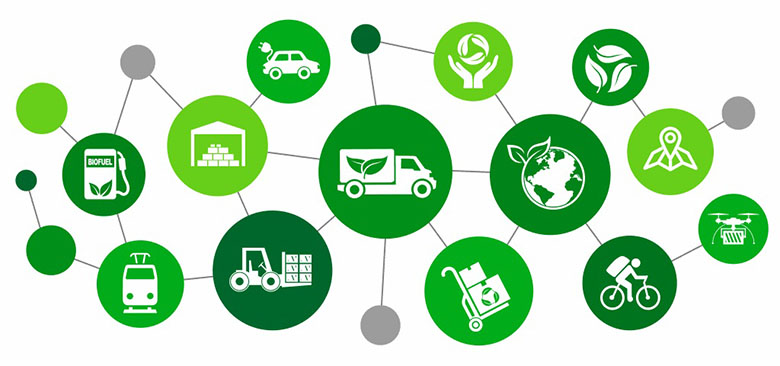
Green transport policies help reduce greenhouse gas emissions, lower noise pollution, and ease urban congestion, making cities cleaner and healthier.
By promoting climate-friendly transport investments—like electric buses, EV charging infrastructure, and public transit systems—cities can encourage sustainable mobility while cutting environmental impact.
Sustainable transport also focuses on social equity. Policies ensure that everyone, including low-income communities, has access to public transit systems, safe bicycle lanes, and pedestrian-friendly spaces, promoting inclusive urban mobility.
At the same time, planners balance infrastructure development with biodiversity protection and habitat preservation, minimizing the environmental footprint of transport projects.
Smart planning, combined with digital mobility tools, helps cities move people efficiently while protecting natural and urban ecosystems.
Developing sustainability indicators is key to measuring the success of green transport policies.
These indicators track progress in areas like emissions reduction, public transit usage, and overall urban mobility efficiency.
Applying strategic environmental assessment and transport performance indicators ensures that transport projects deliver real environmental and social benefits.
Cities can use digital mobility tools and smart data systems to monitor traffic flow, vehicle emissions, and the effectiveness of EV charging infrastructure and public transit systems in real time.
This ongoing monitoring helps policymakers make informed decisions, adjust strategies, and improve the overall impact of sustainable transport initiatives.
The Pakistan National Transport Policy encourages the adoption of electric vehicles (EVs) and electrification of public fleets, helping reduce greenhouse gas emissions and fossil fuel dependence.
In Bogota, Colombia, the Transmilenio BRT system has successfully reduced urban congestion and improved air quality, demonstrating how well-planned public transit systems can transform city mobility.
Several European cities have integrated cycling infrastructure and EV charging networks, promoting sustainable urban transport while supporting climate-friendly mobility initiatives.
For heavy vehicles, practical tools like TruckClaws provide safer traction in winter or difficult conditions, showing that eco-friendly policies can be complemented by real-world safety solutions.
Encourage both public and private sectors to invest in sustainable infrastructure development, including EV charging stations, low-emission fleets, and bicycle-friendly networks.
Promote policies that combine financial incentives, regulations, and technological innovations to maximize adoption of green mobility initiatives.
For trucks and heavy vehicles, practical solutions like TruckClaws or other traction aids help maintain safety during winter or challenging conditions, supporting eco-friendly transport without compromising operational efficiency.
Green transport policies play a vital role in reducing environmental impact and promoting sustainable mobility. They require coordinated efforts in infrastructure development, technological innovation, and effective governance to succeed.
Combining these policy measures with practical tools like TruckClaws ensures that heavy vehicles operate safely while supporting eco-friendly transport initiatives.
Governments, businesses, and individuals all have a role to play—adopting green transport strategies and practical solutions is essential for a sustainable future.
Green transport policies are strategies designed to reduce the environmental impact of transportation by promoting sustainable mobility, low- or zero-emission vehicles, and cleaner transport systems. They help improve air quality, lower greenhouse gas emissions, and create more livable urban environments.
Electric vehicles (EVs) and zero-emission vehicles (ZEVs) replace fossil-fuel vehicles, reducing carbon emissions and reliance on non-renewable energy. Incentives and infrastructure like EV charging stations support their adoption in both public and private transport
Integrated land-use and transport planning ensures that public transit, cycling, and pedestrian infrastructure are accessible. This reduces car dependency, traffic congestion, and emissions, supporting more efficient and eco-friendly urban transport.
Economic instruments such as carbon taxes, congestion charges, and pricing mechanisms help internalize the environmental costs of transport. They encourage the use of public transit, EVs, and low-emission fleets while discouraging high-emission vehicle use.
Yes. While TruckClaws are sustainable traction aids designed for trucks and heavy vehicles, they contribute to green transport goals by enabling safer and more efficient winter or emergency driving. Safer, stable vehicles reduce fuel wastage, prevent accidents, and support eco-friendly transport policies.