
Winter driving can be tricky, especially for pickup trucks. Snow, ice, and slush make the roads slippery, and it is easy for the back of your truck to slide or fishtail. This is a common problem for rear-wheel-drive trucks, where the weight is heavier at the front and lighter at the back.
Adding the right truck bed weight can make a big difference. It improves rear axle traction, keeps your truck more stable, and makes driving on icy roads safer. Using sandbags or other solid materials over the rear axle can help your truck grip the road better.
To get the best results, pairing the extra weight with modern traction aids like TruckClaws can help you handle tricky winter situations. This combination not only boosts winter traction for pickup trucks but also reduces the risk of losing control on slippery roads.
Rear-wheel-drive trucks have most of their weight in the front, which makes the back lighter. On snow or ice, this can cause the rear of the truck to slide or fishtail, especially when braking or turning. This is a common problem in winter driving, and it can make even short trips risky.
Adding weight to the truck bed helps balance the truck and keeps the rear axle traction stronger. When the rear tires have more contact with the road, the truck stays more stable on slippery surfaces. This simple step improves pickup truck stability in snow, reduces sliding, and gives the driver more control.
Combining proper truck bed weight with traction aids like TruckClaws can further enhance safety. These tools help when your truck gets stuck or loses grip, giving an extra boost to rear-wheel traction improvement.
The safe amount of weight for a half-ton truck in winter depends on your truck class. Adding the right weight helps improve rear-wheel traction without overloading your truck. Here’s a simple guide:
Most modern trucks have advanced braking systems, so the extra weight usually doesn’t affect stopping power. The goal is to balance the truck so the rear tires maintain good contact with the road, improving pickup truck stability in snow.
Using sandbags or solid materials over the rear axle, combined with traction aids like TruckClaws, can make driving in snow and ice safer and easier.
Where you put the truck bed weight is just as important as how much you add. For the best results, place the weight centered directly over the rear axle.
This improves weight distribution in trucks, giving your rear tires better contact with the road and boosting rear-wheel traction.
Avoid placing heavy items near the tailgate. Weight too far back can make the truck unstable and reduce control, especially on icy roads.
To keep the weight secure, use separators, cargo gates, or tie-down straps. This helps prevent sliding, which can otherwise reduce the traction benefits.
Pairing this setup with traction tools like TruckClaws gives extra grip when navigating snow, slush, or ice.
Proper cargo management in the truck bed ensures both safety and stability, making winter driving much less stressful.
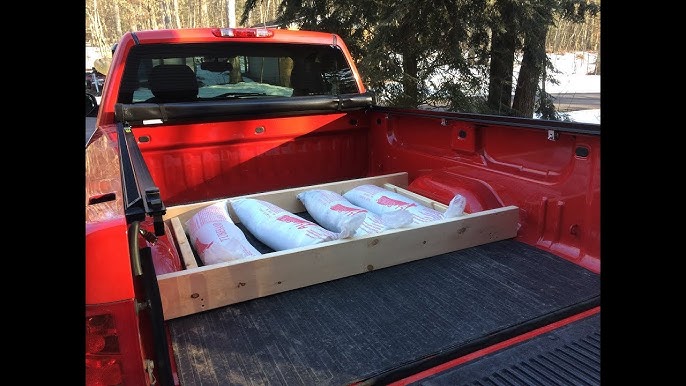
Choosing the right materials for truck bed weight is important for winter traction. Solid items work best because they stay in place and improve rear axle traction.
Some of the most recommended materials include:
Avoid using liquids like water or fuel in containers. They can slosh around, freeze in cold weather, and make driving dangerous.
For extra help when stuck in deep snow or ice, use traction aids like TruckClaws. Placing TruckClaws under the tires can help your truck get a grip quickly, especially when combined with properly placed truck bed ballast.
Using the right materials and traction tools ensures snow traction for trucks and makes winter driving safer and more controlled.
Even with the right truck bed weight, sometimes your pickup can get stuck on snow or ice. This is where traction aids come in handy. TruckClaws are a modern and reliable alternative to traditional traction mats. They give your tires extra grip quickly and safely.
Other common traction tools include:
Combining the right truck bed ballast with TruckClaws gives the best results. The extra weight keeps the rear axle traction strong, while TruckClaws improve grip when your tires start slipping.
Using these tools together works with the truck’s traction control system and anti-skid control, helping you drive safely in winter conditions.
Keep recovery straps and tire chains handy as backup tools. They are useful for unexpected situations and make winter traction for pickup trucks much easier to manage.
Before adding truck bed weight, always check your owner’s manual for the truck’s payload limits. Overloading can reduce stability control, affect braking, and make winter driving unsafe.
Watch for signs of too much weight, such as:
Along with the right weight, perform preventive maintenance to keep your truck ready for winter:
Following these tips improves winter driving safety and helps maintain a safe winter truck setup, keeping you and your passengers protected on icy and snowy roads.
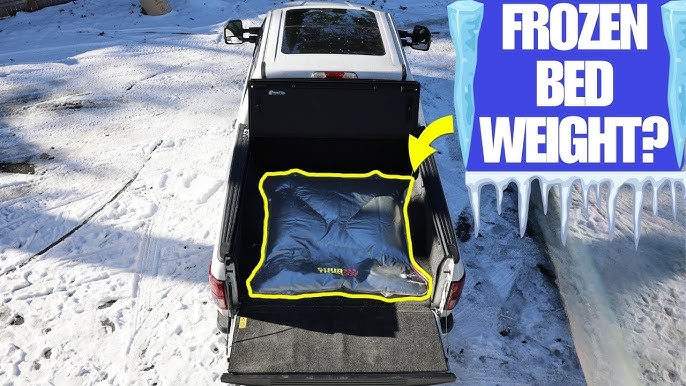
Adding the right truck bed weight is important, but following good winter driving practices makes your truck even safer.
In tricky situations, use traction aids like TruckClaws. Placing them under your tires during emergency stops or when stuck in deep snow helps your truck gain grip quickly.
These tips work for both RWD vs 4WD winter behavior, ensuring better snow traction for trucks and keeping you prepared for winter conditions.
Combining proper weight, safe driving, and snow traction tools gives the best control and safety on icy roads.
Adding the correct truck bed weight, placing it properly over the rear axle, and using traction aids like TruckClaws makes winter driving much safer.
This combination improves rear-wheel traction, pickup truck stability, and overall winter driving safety.
Plan ahead before winter hits. Keep sandbags or other solid truck bed ballast ready, and store TruckClaws or similar snow traction tools in your truck. Being prepared helps you handle snow, ice, and slippery roads without stress.
For extra safety and peace of mind, consider TruckClaws as your go-to emergency traction tool. They are easy to use, reliable, and designed to help your truck get moving quickly when you face tough winter conditions.
For half-ton trucks like the Ford F-150, adding 200–300 lbs over the rear axle is ideal. This improves rear-wheel traction and pickup truck stability without overloading your vehicle.
No. Liquids can slosh around, freeze in cold weather, and make your truck harder to control. Use solid materials like sandbags, cat litter, or dirt bags for safe and effective truck bed ballast.
Yes. TruckClaws are modern traction aids that help your tires grip icy or snowy roads. They work especially well when combined with proper truck bed weight, giving your truck extra rear-wheel traction and helping you get unstuck quickly.