
Black ice is one of the most dangerous road hazards in winter. For truck drivers, it can turn a normal trip into a life-threatening situation in seconds.
Unlike snow or slush, black ice is almost invisible. It looks like a wet road, but in reality, it is a thin, clear layer of ice that makes the pavement extremely slippery.
This hidden danger is the reason why so many truck driver winter safety warnings focus on black ice.
When big vehicles like 18-wheelers and semi-trucks lose control on icy roads, the results can be deadly not only for the driver but also for others on the highway.
Every year, many winter accidents happen because drivers cannot see the ice until it is too late.
The good news is that while black ice is hard to spot, it is not impossible. By learning the warning signs and knowing where it usually forms, truckers can lower their risk. Black ice safety comes down to awareness and preparation.
If drivers know how to detect it, they can take steps to stay in control and avoid dangerous road hazards in winter.
In the sections ahead, we will look at how to recognize black ice, how to react if you drive over it, and what tools—like traction aids—can help you stay safe.
Black ice is dangerous because you usually cannot detect black ice on the road until it is too late. It blends in with the pavement and often looks like the road is just wet.
Unlike snow, which you can clearly see, this thin sheet of ice is nearly invisible. That makes it one of the hardest slippery road hazards to avoid.
Black ice often forms when freezing temperatures are right around 32°F (0°C). The air may not feel very cold, but the road surface can still freeze.
This happens most often after light rain, melting snow, or when the ground gives off moisture that freezes overnight.
The danger is even greater because black ice can appear without warning. Truck drivers may run into it on highways, rural roads, or blacktop pavement even when the rest of the route looks clear.
That sudden loss of traction can cause a truck to slide, jackknife, or even roll over if the driver is not prepared.
Even though black ice is hard to see, there are clues that help drivers stay alert. Knowing these warning signs can save lives on the road.
One of the first hints is the road itself. If the pavement looks glossy or wet but there is no slush or water, it may be ice.
At night, drivers should also watch for subtle road surface color changes, since black ice can make a stretch of highway look just a little different.
In the daytime, black ice often hides in shaded areas, such as under trees or overpasses.
Certain places are more dangerous than others. Bridges and overpasses freeze faster and thaw slower than regular pavement, which is why bridge icing warnings are posted in many states.
Low-lying areas are also risky, because water collects and refreezes there. Paying attention to road signs like “Bridge may ice before road” can alert drivers before they reach these danger zones.
Sometimes the best warning comes from your truck. If the vehicle thermometer drops near freezing, assume the roads may be icy. Many experienced drivers also use the brake-check technique—a light tap on the brakes on a straight road to test grip.
If the tires slide even a little, it’s time to slow down. Another big warning sign is what you see around you: vehicles in ditches or roadside accidents are strong signals that black ice may be present.
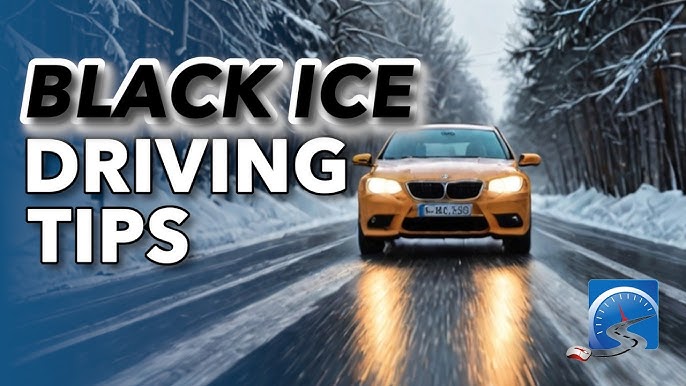
If you do hit black ice, the most important rule is to stay calm. Many accidents happen because drivers panic and overreact.
Knowing what truck drivers should do if they hit black ice can make the difference between a close call and a serious crash.
First, use gentle steering. Do not make sharp turns, because that can cause loss of traction and send the truck into a skid.
Avoid sudden braking or fast acceleration, since both can make the tires lose grip even faster.
Instead, slow down gradually when you suspect ice is ahead—especially on bridges, mountain passes, or shaded areas where the road freezes quicker.
Always leave extra space between your truck and the vehicle in front of you. This safe braking distance gives you more time to react if the road is slippery.
If the truck begins to slide, steer smoothly in the direction you want to go. Quick or jerky moves often make vehicle skid prevention harder. Staying calm, steady, and patient is the safest way through black ice zones.
The best way to deal with black ice is to prepare before you get on the road. A little planning and the right equipment can make winter driving much safer for commercial vehicles and long-haul truckers.
Start by checking DOT and National Weather Service (NWS) winter alerts before every trip. These updates can warn you about freezing rain, frost, or sudden drops in temperature.
Always make sure your truck has winter tires for better grip, and carry tire chains if your route requires them by law.
Taking a professional winter driving or safety course is also a smart step. It gives drivers more confidence when handling icy roads.
Even with preparation, trucks can still get stuck. That’s why it is important to carry emergency preparedness gear like roadside kits with flares, blankets, and food.
You should also keep traction aids in your truck:
With the right mix of preparation and tools, truck drivers can reduce risks and handle unexpected ice with confidence.
Black ice is one of the hardest winter hazards to spot, but it is not impossible if you know the signs.
By watching for glossy pavement, paying attention to shaded areas and bridges, and using your truck’s thermometer, you can often catch the danger before it catches you.
The best defense is anticipation, awareness, and preparation. Slow down when the weather is near freezing, watch for environmental cues, and always give yourself extra space on the road.
Prepared drivers also carry the right tools. Traction aids like TruckClaws, along with winter tires and tire chains, give truckers a way to keep moving even when conditions get tough. These small steps can prevent big problems.
In the end, winter safety comes down to three simple rules: stay calm, stay prepared, and stay safe.