
Rising fuel prices are making it harder for truckers and fleet owners to earn good profit. For heavy-duty trucks that cover long distances, every drop of diesel matters.
That’s why fuel efficiency for heavy-duty trucks is no longer just a good idea—it’s a must. Using more fuel means spending more money and making less from each trip.
To stay ahead in 2025, smart truckers now focus on small steps that bring big savings. They follow fuel-saving tips for trucks like smooth driving, keeping tires filled, and turning off the engine when not moving.
These actions may seem small, but over time, they help reduce fuel costs in trucking and protect the engine too.
It’s not just about driving better. Today’s drivers also rely on good truck maintenance, eco-driving habits, and smart tools like telematics and GPS apps. Together, these make trucks use less fuel and run longer without problems.
Fuel efficiency doesn’t only rely on technology—how you drive plays a big role. Small changes in your driving style can lead to big savings.
Cruise control helps maintain steady speed, which lowers fuel use. Staying in the cruise RPM sweet spot reduces engine strain and saves fuel on long trips.
Idling burns fuel fast. If stopped for more than a minute, turn off the engine. Use tools like Idle Smart systems or Auxiliary Power Units (APUs) to power your cab without wasting fuel.
Quick starts and sudden stops burn more fuel. Accelerate gently and brake gradually to save fuel and reduce wear on brakes and tires.
Planning early keeps your speed steady and lets you coast more. Smooth driving avoids fuel-wasting speed changes and improves safety.
Shift into the right gear based on load and road. Using the highest possible gear at safe speeds lowers engine effort and fuel use.
These fuel-efficient driving techniques are simple but powerful. Use them daily to improve truck fuel consumption and reduce costs on every haul.

Keeping your truck in top shape is one of the best ways to cut fuel costs. Regular checks and smart choices in maintenance can boost mileage across every route.
Low pressure increases rolling resistance and fuel use. Use tire inflation systems or a tire pressure monitoring system (TPMS) to keep tires at the right level. Good truck tire pressure management improves both safety and efficiency.
Dirty air filters reduce engine airflow, which hurts combustion and fuel economy. Clean filters and a well-maintained fuel system help your engine breathe better and burn fuel more efficiently.
Synthetic oils reduce friction inside the engine, allowing smoother operation and better fuel performance. They also last longer, reducing downtime and maintenance costs.
Sticking to a truck maintenance for fuel economy schedule avoids problems before they start. Regular oil changes, inspections, and tune-ups improve fuel mileage and prevent costly repairs.
Engine tuning for better fuel mileage ensures the engine runs at peak performance. Adjust timing, fuel injectors, and idle settings to reduce fuel burn without reducing power.
Consistent maintenance not only keeps your truck running longer but also helps it run leaner—saving fuel every mile of the way.
Wind resistance increases as speed goes up—and that means higher fuel use. Smart aerodynamic modifications for trucks can cut that drag and save fuel on every highway haul.
Installing side fairings and trailer skirts reduces the air hitting the underside and sides of your trailer. This improves aerodynamics for trucks and boosts fuel efficiency, especially at high speeds.
Boat tails reduce drag from air behind the trailer, while roof deflectors guide airflow over the cab. Together, they smooth out airflow and help you save more on long-distance trips.
Reducing the space between your cab and trailer with gap reducers keeps air from getting trapped and dragging you back. Fuel tank fairings streamline air around tanks and other exposed components.
A taller load increases wind resistance. Packing lower and tighter helps you use less fuel without adding extra tools.
The EPA SmartWay program certifies parts like tires and fairings that improve truck fuel economy. Choosing SmartWay-certified gear means trusted savings and better performance.
Cutting drag is one of the easiest ways to reduce fuel costs—and these upgrades pay off over time.
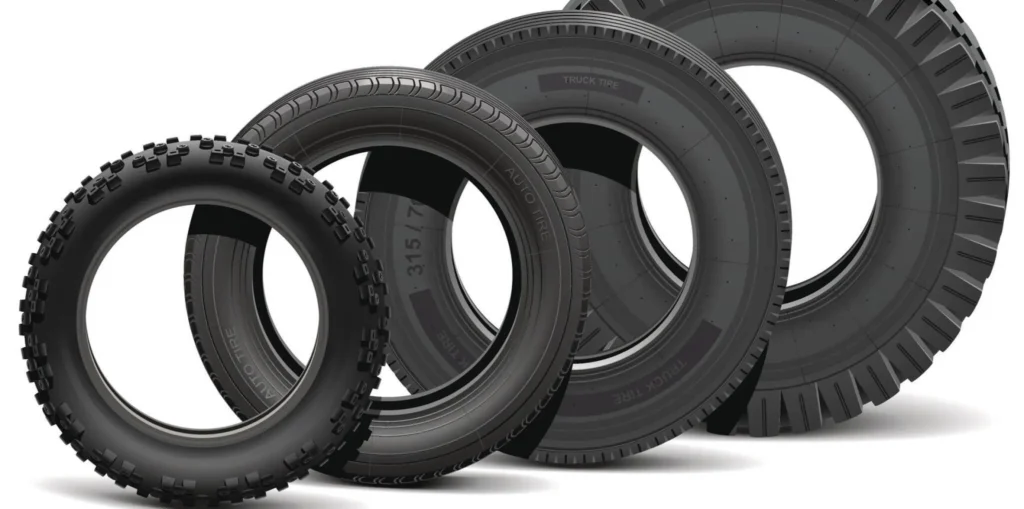
Your tires play a huge role in fuel efficiency. Making the right choices in tire setup for fuel savings in trucks can reduce rolling resistance and improve every mile’s worth of fuel.
Super-single tires replace dual setups with a single wide tire on each side of the axle. They lower rolling resistance and reduce weight, making them a smart option for better semi-truck fuel economy.
These tires are designed to reduce the energy needed to keep the truck moving. Using low rolling resistance tires is one of the simplest upgrades for long-term fuel savings.
Low rolling resistance tires help reduce the energy required to move the vehicle, especially when chosen based on the best tires for heavy trucks focused on both traction and fuel efficiency.
Misaligned or unbalanced tires force your truck to work harder, using more fuel. Regular alignments help keep your vehicle moving smoothly and efficiently.
Underinflated tires waste fuel and wear out faster. A tire pressure monitoring system helps maintain the recommended tire pressure for fuel economy in trucks, alerting you before pressure drops too low.
Choosing the right tires—and maintaining them well—is a proven, practical way to increase fuel efficiency and reduce long-haul costs.
Modern fuel-saving technologies for trucks are changing how fleets cut costs and emissions. From digital tools to alternative powertrains, these innovations help improve real-world efficiency.
Systems like Samsara, Motive, and Geotab track driver behavior, idle time, and route efficiency. These telematics systems help fleet managers and owner-operators spot fuel waste early and act fast.
Speed governors control how fast a truck can go, reducing fuel use and improving safety. Apps like CloudTrucks assist with fuel-efficient route planning, keeping drivers on paths that save time and fuel.
Fuel-efficient technologies for semi trucks now include hybrid-electric systems and full electric powertrains. These reduce or even eliminate diesel use, especially in short-haul and regional deliveries.
A growing option in green freight, hydrogen fuel cell trucks offer long-range operation with zero tailpipe emissions. Though still emerging, they signal a strong future direction in fuel efficiency.
Some newer trucks feature active aerodynamic systems—components that automatically adjust based on speed and conditions to reduce drag. These add fuel savings without driver input.
These technologies aren’t just upgrades—they’re investments. As fuel prices rise and sustainability grows more important, using smart tools and modern powertrains gives you a long-term advantage.
Smart fuel-efficient route planning isn’t just about choosing the shortest path—it’s about choosing the smartest one. With modern tools, truckers can avoid traffic, reduce idle time, and save fuel every mile.
Apps like CloudTrucks and Trucker Path offer real-time updates on road conditions, weigh stations, and rest stops. These tools help truckers avoid heavy traffic, accidents, and low-efficiency detours.
Sometimes, a slightly longer route with smooth traffic flow uses less fuel than a stop-and-go city drive. These adjustments can improve truck fuel consumption without affecting delivery times.
Tools like Fuelbook not only show diesel prices across stations but help drivers plan refueling stops along efficient routes. Some apps also include features for monitoring truck fuel efficiency in real time.
Using these route optimization apps can lead to better mileage, fewer delays, and more profit per load—especially over the long haul.
Boosting truck fuel consumption efficiency isn’t just about the engine—it’s also about what tools you carry. The right add-ons can save fuel, time, and stress in tough conditions.
Using fuel cards like Comdata, EFS, or Fleet One helps drivers save at the pump and track usage. These cards also offer analytics to spot trends in spending and fuel efficiency.
When traction is lost in mud, snow, or sand, tools like TruckClaws reduce spinning and fuel waste by helping drivers get back on the road quickly. Instead of idling or over-revving the engine, this truck traction aid gives instant grip—saving both fuel and time.
Carrying traction tools for trucks means you can often avoid towing services. By regaining traction fast, especially off-road or in bad weather, you stay efficient and in control.
Having these tools on board means you’re not just ready for emergencies—you’re ready to keep your fuel use low, no matter the conditions.
Saving fuel isn’t just about spending less—it’s also about reducing emissions and staying future-ready. That’s where green trucking practices and alternative fuels come in.
Modern fleets are exploring alternative fuels for trucks such as:
Each of these options supports both environmental goals and long-term fuel savings.
Programs like the EPA SmartWay Program reward fleets for using certified fuel-saving equipment and greener driving practices. SmartWay-certified trucks and tires often reduce drag and improve fuel economy right away.
As green trucking practices become the industry standard, fleets and owner-operators who invest early in cleaner fuels and aerodynamic upgrades will meet future compliance rules more easily—and gain a competitive edge.
Going green is no longer optional—it’s becoming essential for every efficient and forward-thinking trucking operation.

Not all trucks are built the same when it comes to fuel economy. Some models are designed specifically to deliver better mileage without sacrificing power. If you’re looking to upgrade, here are the best fuel-efficient semi trucks to consider:
A favorite for long-haul routes, the Freightliner Cascadia offers up to 10 MPG with its Detroit DD15 engine. Aerodynamic body design and advanced powertrain options make it a top choice for fuel savings.
Known for comfort and innovation, the Volvo VNL 760 blends fuel efficiency with a smooth ride. Its I-Shift transmission and turbo compound engine push performance while keeping fuel use low.
The Kenworth T680 delivers excellent fuel economy ratings for trucks, especially when equipped with the PACCAR MX-13 engine. Its sleek design and lightweight build reduce drag and improve MPG.
Designed with efficiency in mind, the Peterbilt 579 offers impressive mileage when combined with SmartAir technology and aerodynamic add-ons. Ideal for fleets focused on long-term fuel savings.
When comparing trucks, always check manufacturer-published fuel economy ratings and match specs to your driving routes. Choosing the right model can improve mileage, lower emissions, and boost your bottom line.
Improving driver habits that affect fuel efficiency is one of the most cost-effective ways to reduce fuel costs across an entire fleet. Even the most advanced truck can’t save fuel if it’s driven inefficiently.
Eco-driving courses help drivers learn techniques like coasting, gentle braking, steady acceleration, and proper gear shifting—all of which can significantly cut fuel usage.
Many fleets also use driver behavior monitoring systems to track habits like excessive idling, rapid acceleration, and harsh braking. These insights allow for personalized coaching and rewards for efficient driving.
Training drivers to avoid harsh braking and rapid acceleration builds long-term savings and also reinforces the essential skills needed to become a truck driver in today’s competitive landscape.
Investing in driver training not only reduces fuel consumption but also extends vehicle life and improves safety. It’s a long-term win for both the company and the road.
Improving fuel efficiency for heavy-duty trucks isn’t about one big change—it’s about small, smart choices made consistently.
From maintaining tire pressure to using cruise control, every good habit adds up. Regular vehicle maintenance and smart route planning boost performance while cutting unnecessary fuel costs.
Tools and technologies like TruckClaws (for staying prepared during traction emergencies), telematics systems, and aerodynamic upgrades can give your truck an edge. Even simple steps—like using fuel cards or switching to low rolling resistance tires—can make a real difference.
Start with one change this week. Whether it’s checking tire pressure, planning your route more efficiently, or training drivers on fuel-saving techniques, the road to savings starts with a single mile driven smarter.