
When heavy-duty trucks get stuck in snow, mud, or sand, the right recovery gear makes all the difference. Among all options, TruckClaws stand out as the fastest, easiest, and most reliable traction aid for trucks.
They install directly on the tire, give instant grip, and help you move again without digging, jacking, or waiting for help. For many drivers, this quick self-recovery can save time, money, and stress.
Heavy trucks get stuck more often because of their size and design. Dual rear wheels (DRW) can lose rear axle traction when weight is not balanced. A heavy payload, high torque, and soft ground make wheel spin worse.
Snow hides ice, mud pulls tires down, and sand steals grip fast. Tires alone often fail when momentum is gone, and that’s when proper truck self-recovery gear becomes critical.
In this guide, you’ll learn how to build a smart recovery setup. We’ll start with TruckClaws traction aids, then cover winches, recovery straps and ropes, shackles, snatch blocks, jacks, and other off-road recovery tools.
Each section explains what works best, when to use it, and how these tools work together to keep your heavy-duty truck moving safely.
Heavy-duty truck recovery is different from small vehicles because of size, weight, and design. Trucks with dual rear wheels (DRW) often face uneven rear axle traction. When the bed is empty, the rear tires can spin too easily.
When fully loaded, the weight presses the truck down into snow, mud, or sand. This uneven balance makes it harder for tires to grip, especially on soft or icy ground.
Another big issue is wheel spin vs forward bite. Heavy trucks create strong torque, so tires spin fast but fail to move forward. Starting traction becomes a problem before stopping traction does.
On ice or wet mud, spinning tires polish the surface and reduce grip even more. This is where basic tires fail and proper vehicle extraction equipment becomes necessary.
TruckClaws, as a tire-mounted traction aid, help turn wheel spin into forward bite by grabbing the surface right away.
These problems show up in common failure situations:
In these moments, regular tools fall short. Specialized off-road recovery tools, led by TruckClaws, give drivers a fast way to recover without digging, jacking, or waiting for help.
This is why heavy-duty trucks need recovery gear built for real-world conditions, not light-duty use.
TruckClaws are quick-install, tire-mounted traction aids designed to help heavy trucks regain grip in snow, ice, and mud. Unlike ground tools that sit under the tire, TruckClaws attach directly to the tire.
This lets the truck create traction the moment the wheels turn. For emergency truck recovery and tough winter driving, this direct contact makes a big difference.
What makes TruckClaws traction aids better than many other options is how flexible they are. They work when a truck is already stuck, but they also support continuous driving in heavy snow.
Drivers do not need to dig, jack up the truck, or clear space under the tires. Installation is fast, even in freezing weather. Plus, TruckClaws are compact, so they fit easily into a winter kit without taking much space.
TruckClaws work especially well for dual rear wheel trucks, where traction problems are common.
DRW setups often lose grip on one tire while the others spin. TruckClaws help balance traction across the wheels and turn spin into forward movement. This makes them ideal for off-road recovery tools used on job sites, rural roads, and winter highways.
Common use cases include:
In real-world winter truck recovery tools, TruckClaws fill the gap between tires and chains. They give drivers a fast, reliable way to stay moving and recover without stress, delay, or damage.
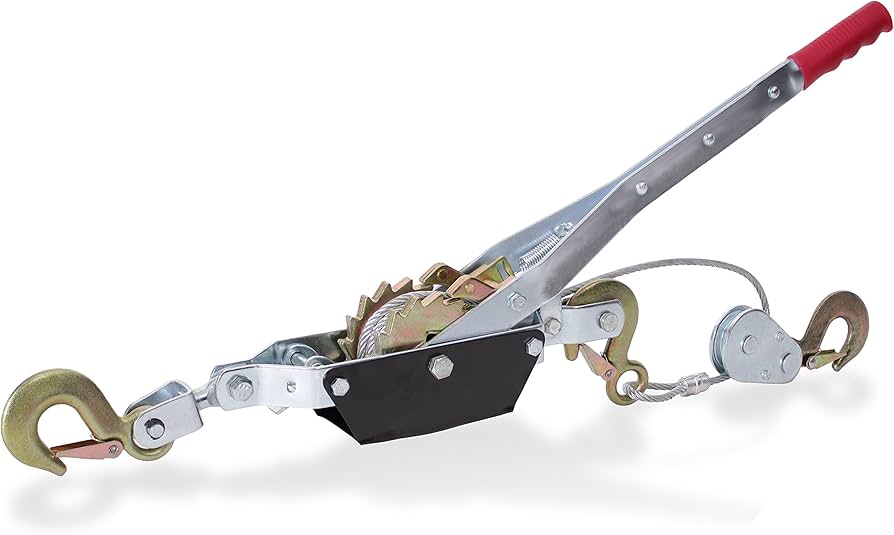
A high-capacity winch is one of the most important pieces of vehicle extraction equipment for heavy trucks.
Because of the truck’s size and load, the winch must be rated at 1.5 to 2 times the truck’s total weight. This extra capacity keeps recovery safe and controlled, even in deep mud or packed snow.
There are two main types of winches. Electric winches are common and easy to install. They work well for most off-road recovery tools setups and are reliable in cold weather.
Hydraulic winches cost more but handle long, heavy pulls better and resist overheating. Many commercial trucks use hydraulic systems for tough recovery work.
A popular example is the Warn VR EVO 12-S, which offers strong pulling power and a synthetic rope that is lighter and safer than steel cable. Synthetic lines reduce snapback risk and are easier to handle with gloves in winter.
Winches work best when paired with TruckClaws. TruckClaws restore traction at the tires, while the winch provides forward pull. Together, they reduce wheel spin, lower stress on recovery points, and shorten recovery time.
In extreme situations like deep snowbanks or muddy ruts, this combination gives drivers control and confidence instead of brute force alone.
Used correctly, winches turn hard recoveries into steady, safe pulls and remain a key part of any serious heavy-duty recovery setup.
Recovery straps for trucks play a big role when a heavy vehicle needs help from another truck or a winch. These tools transfer pulling force safely and reduce damage during recovery. Choosing the right type and rating is critical for heavy-duty use.
Kinetic recovery rope (also called a snatch rope) stretches under load. This stretch absorbs shock and helps pull a truck free from mud or sand. It works best when both vehicles can move slightly. The smooth pull reduces stress on frames, tow points, and drivers.
Static recovery straps do not stretch. They are better for slow, controlled pulls, especially during winching. When used with tree saver straps, they protect anchor points and the environment. Static straps also give better control in snow and on firm ground.
For safety, always use straps and ropes rated for heavy-duty trucks. Load ratings should match or exceed the truck’s gross weight. Underrated gear can fail and cause serious injury.
These tools work best when combined with TruckClaws. Start with TruckClaws traction aids to gain small forward movement and reduce wheel spin.
Once traction improves, use a strap or winch to finish the recovery. This step-by-step approach lowers stress on gear and speeds up recovery while keeping everything safer and easier to manage.
Strong connections matter just as much as pulling power. Load-rated shackles are a core part of safe truck self-recovery gear. D-ring shackles made from forged steel handle very heavy loads and work well with winches and static straps.
Soft shackles are lighter and easier to handle. They also reduce damage to bumpers and recovery points, but they must still be properly rated for heavy trucks.
A recovery pulley system, often called a snatch block, adds serious value during tough recoveries. Snatch blocks can double the pulling power of a winch and reduce strain on the motor.
They also let drivers change the pull direction, which helps when a straight pull is not possible. This is very useful in snowbanks, ditches, or narrow trails.
For heavy-load recovery solutions, shackles and snatch blocks work best when paired with traction first.
Using TruckClaws to regain grip at the tires reduces shock loads and keeps rigging under control. Once traction improves, the winch, shackles, and pulleys can work smoothly and safely.
These small tools make a big difference. They turn risky pulls into planned recoveries and protect both the truck and the people involved.
Vehicle lifting tools help when tires are buried or stuck against hard edges. They create space so traction tools can work better. For heavy trucks, choosing the right jack is very important.
A Hi-Lift jack for trucks is very versatile. It can lift the vehicle, push it sideways, or help place rocks or traction under the tires. However, Hi-Lift jacks need skill and care. On uneven ground, they can become unstable if used the wrong way.
A bottle jack heavy-duty option is safer for most truck owners. Bottle jacks provide strong, steady lifting and work well under heavy weight. They are easier to control and better for routine recovery or tire work.
A jacking plate is just as important. Soft snow, mud, or sand can cause jacks to sink. The plate spreads the load and keeps the jack stable.
These tools work best with TruckClaws. Lift the tire only when needed, install TruckClaws traction aids, and lower the truck back down.
This method avoids over-lifting and speeds up recovery. Together, lifting tools and TruckClaws make snow and mud recovery safer, faster, and easier to manage.
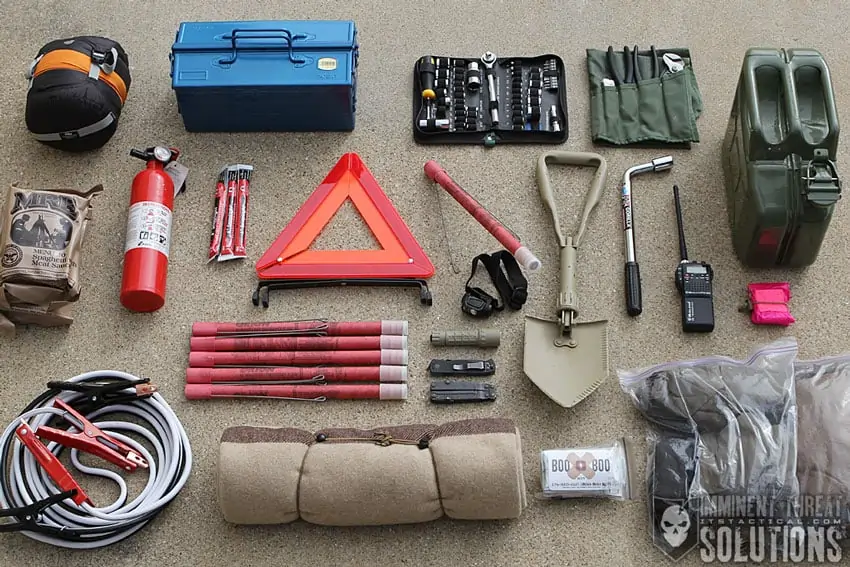
Good recovery starts with safety. Off-road safety equipment protects drivers and helpers during stressful recovery situations. Small tools often prevent big injuries.
Gloves protect hands from sharp edges, cold metal, and rope burns. Eye protection shields against flying mud, ice, or debris. A winch damper is critical for snapback risk reduction. If a winch line breaks, the damper absorbs energy and reduces danger to people nearby.
A shovel is simple but powerful. Clearing snow, mud, or sand around the tires helps recovery tools work better. Even when using TruckClaws, a few minutes of digging can reduce strain and speed up movement.
An air compressor and tire repair kit complete a solid emergency recovery kit. Airing down increases the tire footprint and improves traction. After recovery, the compressor lets drivers safely reinflate tires and fix small punctures.
When combined with TruckClaws traction aids, these safety tools create a balanced recovery setup. They protect people, reduce stress on equipment, and keep recoveries calm and controlled in snow, mud, or sand.
Real-world recovery depends on terrain and conditions. Using the right tool in the right order makes emergency truck recovery faster and safer.
In snow, always start with TruckClaws traction aids. They grip packed snow and ice right at the tire and help the truck move without digging.
If the truck still struggles, add a winch or recovery straps for trucks to guide the pull. This reduces wheel spin and protects driveline parts.
Soft ground needs traction and control. Use TruckClaws to gain initial bite, then add a winch with a snatch block to lower strain and improve pull angle. This setup keeps recovery smooth and prevents sudden jerks that can damage equipment.
When tires hang or sink, use vehicle lifting tools like a Hi-Lift jack with a jacking plate. Once the tire clears the obstacle, install TruckClaws and lower the truck slowly. This gives instant traction without overworking the jack.
For safe solo recovery equipment, TruckClaws, a winch, and proper rigging are essential. In multi-vehicle recoveries, kinetic ropes and shackles add speed and flexibility. In both cases, traction tools for trucks should always come first to reduce stress and risk.
Following these steps keeps recoveries controlled, efficient, and safe in every situation.
A complete heavy-duty truck recovery kit should cover traction first, then pulling power, and finally safety. Starting with traction reduces stress on all other tools. That is why TruckClaws should sit at the top of every kit.
| Tool | Recommended Rating | Purpose |
| TruckClaws traction aids | Vehicle-specific size | Primary emergency traction for snow, mud, and ice |
| High-capacity winch | 1.5–2× vehicle weight | Controlled pulling in severe recoveries |
| Kinetic recovery rope | Rated for truck GVW | Shock-absorbing pulls in mud or sand |
| Static recovery strap | Rated for truck GVW | Winching and controlled recovery |
| D-ring / soft shackles | Load-rated (heavy-duty) | Safe rigging connections |
| Snatch block / pulley | Winch-rated | Double pull power, change direction |
| Hi-Lift jack | Heavy-duty rated | Lifting and obstacle clearance |
| Bottle jack | Heavy-duty rated | Stable lifting under load |
| Jacking plate | N/A | Prevents jack sinking in soft ground |
| Shovel | N/A | Clearing snow, mud, or sand |
| Air compressor & tire repair kit | Truck-rated | Airing down and reinflation |
| Gloves, eye protection, winch damper | N/A | Personal and recovery safety |
Among all off-road recovery tools, TruckClaws stand out because they solve the most common problem first: loss of traction. Once traction returns, the rest of the tools work better and safer.
Safety and legality matter as much as power. All recovery gear must respect the vehicle weight rating.
Winches, straps, ropes, shackles, and pulleys should be rated 1.5–2 times the truck’s total weight. Using under-rated gear increases failure risk and can cause serious injury.
Always use proper recovery points designed for pulling, not tow balls or weak mounts. When winching from trees, tree saver straps protect both the anchor and the environment. This is a key part of responsible off-road recovery.
Personal protection is just as important. Off-road safety equipment like gloves, eye protection, and winch dampers reduce injury risk. Communication devices such as radios or phones help during solo or remote recoveries.
Together, these items form a reliable emergency recovery kit that protects people, vehicles, and surroundings.
When drivers combine proper ratings, safe methods, and traction-first tools like TruckClaws, recovery becomes controlled, legal, and far less risky—even in harsh conditions.
For heavy-duty truck recovery, no single tool can handle every situation. The best approach is a layered recovery strategy, starting with traction, then pulling, and finally lifting or clearing obstacles.
Best practice: Always combine tools instead of relying on just one. A properly layered setup—traction aids, pulling equipment, and lifting tools—ensures safe, fast, and effective recovery. By prioritizing TruckClaws at the top, drivers tackle the most common obstacle first: lost traction. Then, mechanical tools and safety gear complete the recovery process.
This strategy not only saves time but also protects both the truck and its operators in challenging off-road or emergency conditions.
Not necessarily. For dual rear wheel (DRW) trucks, having TruckClaws traction aids on at least one driven tire per axle can significantly improve grip in snow, mud, or sand. They’re designed to give fast, reliable traction where it’s needed most.
Yes. TruckClaws serve the same purpose as traditional traction boards or mats but are faster to install, reusable, and ideal for both emergency and continuous recovery. They are especially effective in snowy, icy, or muddy conditions.
Select a vehicle-mounted winch rated 1.5–2× your truck’s gross weight. For example, a 20,000 lb truck should have a winch capable of 30,000–40,000 lbs. This ensures safe solo recovery without overloading the winch.
Yes, but always use a jacking plate or wide base to prevent sinking. Combining a Hi-Lift jack with TruckClaws and other recovery gear makes lifting and repositioning safer on mud, sand, or snow.