
Trucks play a big role in moving goods every day, but when they get stuck, they can cause more than just delays.
The environmental impact of truck idling is real. When trucks sit idle, their engines keep running, burning fuel and releasing harmful gases into the air.
This adds to air pollution and contributes to climate change, which affects everyone.
Not only do stuck trucks pollute the air, but they can also cause pollution caused by stuck trucks in water and soil if they carry hazardous cargo.
Traffic jams caused by trucks blocking roads can disrupt ecosystems and disturb wildlife near roads.
The good news is that there are ways to reduce these problems. Simple steps like proper eco-friendly fleet management solutions and having the right tools on hand can make a big difference.
One practical solution is using TruckClaws traction aids to help trucks get moving quickly, prevent long idling times, and reduce environmental harm.
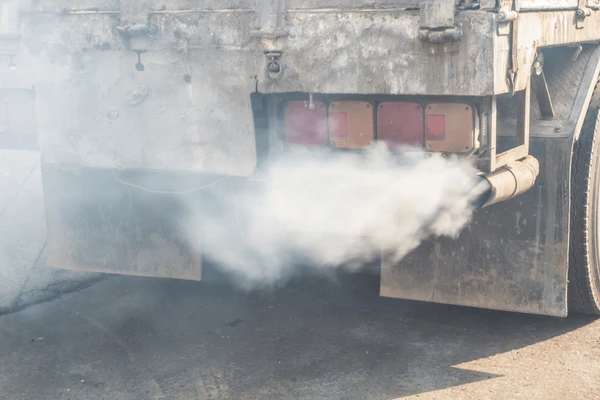
When a truck gets stuck, its engine often keeps running. This means idling trucks release gases like CO₂, NOx, particulate matter, and sulfur dioxide into the air. These gases add to air pollution and can make the air harder to breathe.
Stuck heavy-duty trucks burn more fuel while waiting, which increases fuel consumption and produces even more greenhouse gas emissions. This contributes to climate change and can cause smog in cities and towns near busy roads.
The good news is that using practical tools can help. For example, TruckClaws traction aids help trucks get moving faster. This reduces the time trucks spend idling and lowers their emissions, keeping the air cleaner.
When trucks get stuck, they can cause more than just traffic delays. Trucks carrying hazardous materials can leak or spill, leading to water pollution that contaminates rivers, streams, and groundwater. Even small spills can harm plants, fish, and other animals living nearby.
Traffic jams caused by stuck trucks near forests, parks, or other wildlife habitats can disturb animals and birds.
The noise, blocked paths, and extra traffic can make it hard for wildlife to live safely in their natural habitats.
Stuck trucks can also damage roads and construction areas, adding to ecosystem disruption and soil contamination.
A simple solution is to be prepared with recovery tools. Using TruckClaws traction mats can help trucks get moving quickly.
This prevents long road blockages and lowers the risk of spills, keeping both roads and the environment safer.
When trucks are stuck, their engines often keep running, creating noise pollution that can bother people and disturb animals nearby.
The longer a truck sits idle, the louder and longer the noise continues, affecting both urban and natural areas.
Stuck heavy trucks can also damage roads and nearby infrastructure. The extra weight on a stationary truck, combined with attempts to move it, can wear down pavement and bridges, leading to expensive repairs.
Stuck trucks not only cause noise pollution but also put extra stress on roads and bridges.
Proper preparation with Best Tools to Keep in Your Truck at All Times ensures trucks can move safely and reduce long-term damage.
Proper fleet management and sustainable logistics practices can help reduce these issues.
Quick recovery using tools like TruckClaws traction aids not only gets trucks moving faster but also prevents long-term road damage and lowers overall noise.
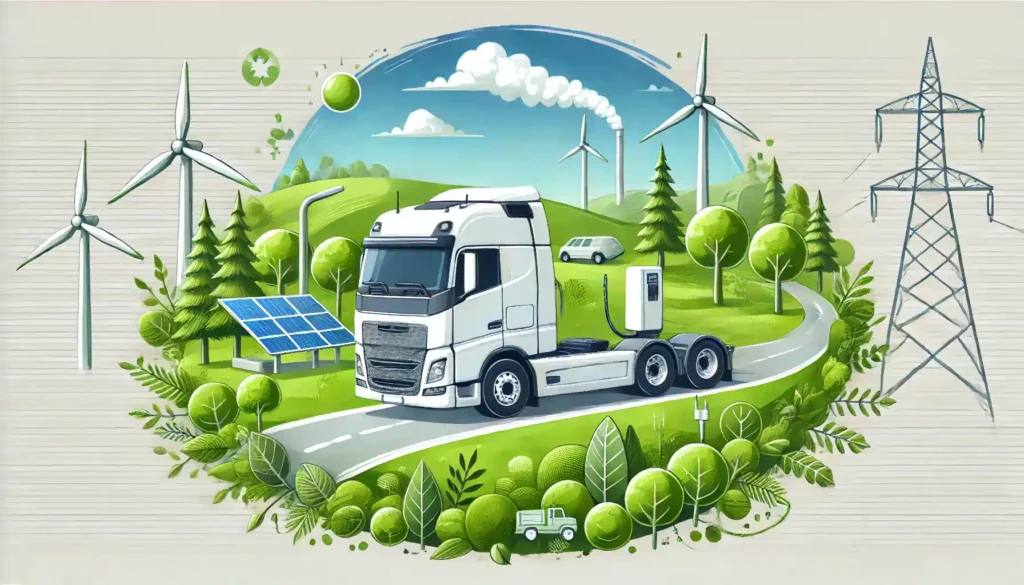
There are many ways to reduce the harm caused by stuck trucks. One of the most effective is proper fleet management.
Using fleet management software, telematics, GPS tracking, and IoT sensors can help monitor trucks, optimize route planning, and reduce fuel consumption and idle time.
Regular maintenance is also important. Keeping engines efficient and using tools like catalytic converters and diesel particle filters lowers emissions and helps trucks run cleaner.
Switching to alternative fuels is another key step. Electric trucks, hybrid trucks, and even hydrogen-powered trucks produce fewer emissions and are better for the environment.
Combining these with smart eco-friendly technologies makes trucking more sustainable.
Reducing the number of trips through load consolidation also cuts down greenhouse gas emissions and prevents unnecessary fuel use.
Being prepared for emergencies is crucial. Having recovery tools like TruckClaws traction aids as part of a truck’s kit can help get trucks moving quickly, prevent long idling times, and reduce environmental damage.
Spill containment kits and anti-idling policies further support safer, cleaner trucking.
Government rules and incentives play a big part in keeping trucks cleaner and safer for the environment.
Agencies like the EPA and DOT, as well as EU standards, set guidelines for emissions, fuel efficiency, and safety.
Following these government regulations helps trucking companies reduce pollution and protect wildlife habitats.
Companies also take part through corporate social responsibility (CSR) and environmental social governance (ESG) initiatives.
These programs encourage businesses to adopt eco-friendly technologies, reduce emissions, and manage fleets sustainably.
On a global level, the UN Sustainable Development Goals (SDGs) guide countries and industries toward cleaner, greener transport.
By following these standards, trucking companies can lower greenhouse gas emissions and help fight climate change while still delivering goods efficiently.

The trucking industry is changing fast to become more environmentally friendly. One big trend is the use of electric trucks with better batteries, which produce fewer emissions.
Hydrogen fuel technology is also being developed to power trucks cleanly over long distances.
Autonomous trucks and AI-based route optimization are helping fleets drive more efficiently. This reduces fuel consumption, lowers emissions, and prevents trucks from getting stuck as often.
Green infrastructure is expanding too. Electric vehicle charging stations, eco-friendly materials, and recycling initiatives are making trucking more sustainable from start to finish.
Even with these technologies, practical tools remain important. Using TruckClaws traction aids for off-road, snow, or emergency situations helps trucks move quickly, reduces idling, and minimizes environmental damage.
You can also check Why Every Fleet Should Carry Traction Tools in Winter for ideas on keeping recovery tools ready.
Stuck trucks cause serious problems for the environment. They increase air pollution, damage roads and infrastructure, and disturb wildlife habitats.
But by combining smart technology, sustainable trucking practices, and practical tools, these impacts can be reduced.
Using eco-friendly fleet management solutions, maintaining trucks regularly, and planning routes efficiently helps lower fuel consumption and greenhouse gas emissions.
Keeping recovery tools like TruckClaws traction aids on hand ensures that trucks can get moving quickly, reducing idling time and minimizing environmental harm.
Fleet operators and truck drivers can make a real difference.
Adopting emergency truck recovery solutions, using TruckClaws, and following eco-friendly logistics practices all help in reducing the carbon footprint of heavy trucks and protecting our planet for the future.