
You’re driving down a quiet road far from town. The sun is setting, there’s no signal on your phone, and suddenly—your truck won’t start.
Maybe it’s a strange sound from the engine, or maybe the lights go dim and the dashboard goes black. You try again, but nothing happens. Now you’re stuck, and there’s no one in sight.
This is not just annoying—it can be dangerous. Whether it’s cold weather, a dark road, or an unsafe area, what you do next can make all the difference.
Staying calm and following the right steps can help you stay safe and even save your life. Many drivers panic, but with the right actions and a few smart tools, you can handle this.
Being ready before this kind of trouble happens is just as important.
Having the right emergency kit, keeping your vehicle in good shape, and carrying helpful tools like flashlights, reflective triangles, and even traction devices like TruckClaws can make your truck breakdown much easier to deal with.
Whether it’s snow, mud, or sand—TruckClaws can help you get moving again without waiting hours for a tow.
When your truck breaks down, your first priority is not fixing the problem—it’s protecting yourself.
As soon as you notice something’s wrong, slow down and steer your truck to a safe, visible spot.
Try to pull over to the shoulder of the road, a rest area, or a wide parking space. If you’re on a curve or hill, keep going a little farther until you find a flat, open area where passing drivers can easily see you.
Once you’re stopped, turn on your hazard lights right away. These flashing lights signal to other drivers that your vehicle is disabled and help prevent collisions, especially in low-visibility conditions like fog, rain, or nighttime.
If it’s safe, stay inside your truck with your seatbelt on. The cab offers protection from traffic, animals, and weather.
Only get out if there’s a serious risk like a fire, smoke, or leaking fuel. In that case, move far away from the truck and call for help immediately.
If you do need to exit the vehicle, wear a reflective safety vest and carefully place reflective triangles or road flares behind your truck to warn oncoming traffic. The general rule is:
These simple actions can stop a bad situation from getting worse.

Once you’re safe and visible, it’s time to figure out what might be wrong. Don’t panic—just take it step by step.
First, turn off the engine (if it’s still running) and listen closely. Strange sounds like clanking, hissing, or grinding can point to issues like a broken fan belt, leaking fluid, or engine trouble.
Look at your dashboard alerts too—warning lights for oil pressure, battery, or engine temperature give quick clues.
If it’s safe outside, carefully pop the hood. Sometimes, just a simple look can help—a loose battery cable, a snapped belt, or a smoking radiator are all signs you can spot without being a mechanic. Shine a flashlight to check things clearly, especially if it’s nighttime.
If you keep basic tools in your truck, this is where they help most:
Always remember: if you’re unsure or something looks risky—don’t mess with it. Your safety is worth more than fixing it yourself.

Once you’ve assessed the problem and know you can’t fix it on your own, it’s time to get help—but do it smartly.
If your phone has a signal, start by calling your roadside assistance provider. This could be through your insurance, a service like AAA, or a trucking company program.
Be clear about your location, the problem you observed, and if there are any safety concerns.
To share your exact location, use apps like Google Maps (just tap and hold your location to send a pin) or Life360, which shares real-time position with trusted contacts. This helps rescuers or loved ones reach you faster.
If you’re in a no-signal area, fall back on tools like a CB radio, which many truckers still carry for emergencies.
Some radios can reach nearby truckers or highway patrol. A satellite messenger or emergency beacon (like a SPOT device) can also be life-saving if you’re completely off-grid.
No matter what, tell a friend or family member what’s going on. Even if they can’t help directly, having someone who knows your location and status adds a layer of safety.
If the area seems unsafe or you’re alone at night, avoid telling strangers too much. Stay polite but cautious.
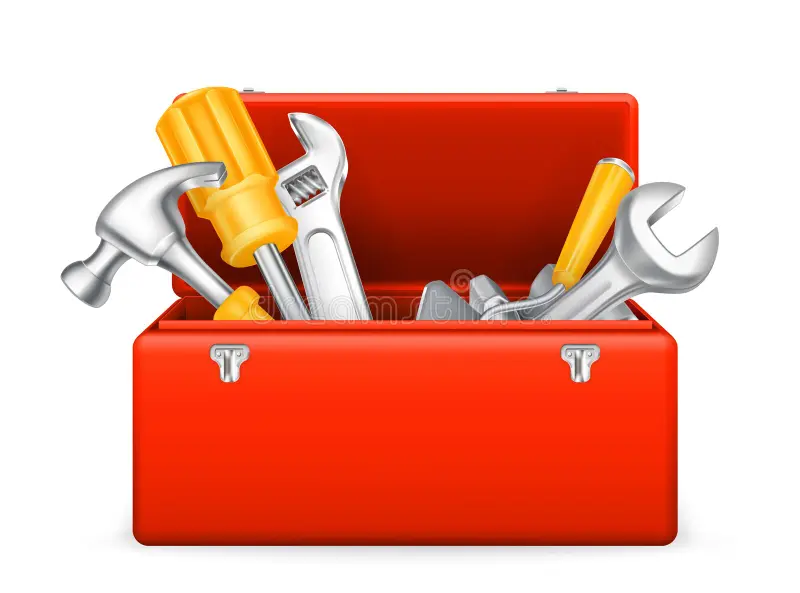
This is where your preparation really pays off. While you wait for help, staying safe and comfortable matters just as much as fixing the issue.
Start by using what’s in your emergency kit:
If you’re in cold weather, layer up or use a thermal blanket. In hot weather, stay shaded and drink water slowly.
A portable phone charger or power bank will help keep your phone working while you wait.
If your truck is stuck in snow, mud, or soft sand, now’s the time for a traction aid. Instead of relying on bulky mats or expensive traction boards, tools like TruckClaws are easy to install and give your tires instant grip.
They can save you from waiting hours for a tow truck, especially in off-road or remote terrain. TruckClaws work on both pickup and commercial trucks, making them a smart part of any roadside kit.

Sometimes, waiting isn’t the safest choice. If you’re stuck in an area that feels risky—like a dark, abandoned road or a place where strangers keep circling—you need to decide carefully whether to stay in your truck or move.
If the area is well-lit, has traffic passing by, or you’re on the side of a highway, it’s usually safer to stay inside your vehicle with the doors locked.
Keep your hazard lights on and stay alert. If help is already on the way, waiting calmly is your best move.
But if you’re in total darkness, notice suspicious people nearby, or feel unsafe for any reason, it may be time to carefully leave your vehicle. Before doing that:
If someone approaches your truck:
Use your judgment. Staying safe doesn’t always mean staying still—but it always means staying smart.
The best way to deal with a breakdown is to stop it before it happens. That’s where regular maintenance comes in. Before heading out—especially on long or remote routes—check the basics:
Along with maintenance, keeping the right survival tools in your truck is just as important. Build a simple, reliable kit with these essentials:
Keeping these items in your truck not only gives peace of mind—it could save your life. A little prep now means less stress later.
Breaking down at night can feel a lot scarier than during the day—but with a clear head and the right gear, you can stay safe and visible.
Here’s what to do if your truck fails after dark:
Turn on your hazard lights immediately. If you have them, place reflective triangles or road flares behind your truck to alert oncoming traffic. Wear your reflective vest—this isn’t optional at night. The more visible you are, the safer you’ll be.
Unless there’s danger outside (like fire or smoke), stay in the truck with the doors locked. Crack your window slightly to hear outside sounds or talk to someone if needed. Keep your phone nearby and don’t drain your battery—use a power bank or charger.
If someone pulls over to help, be cautious, not rude. Thank them through a slightly open window and let them know help is already on the way. Only accept assistance from someone you trust—or if it’s an official vehicle.
Sometimes, you may need to check something or move for safety. If you exit:
Nighttime breakdowns aren’t just about fixing the truck—they’re about protecting yourself first. A calm mindset and a well-packed emergency kit make all the difference.
When your truck breaks down in the middle of nowhere, panic doesn’t help—but preparation does.
Staying calm, being clearly visible to other drivers, and using the right safety gear can protect both you and your truck in a tough situation.
A well-stocked emergency kit and a few smart decisions go a long way. Even something as simple as TruckClaws—a compact traction tool—can be the difference between being stranded for hours or getting yourself out in minutes.
So don’t wait for the worst to happen. Keep your truck in shape, your phone charged, your emergency gear ready—and your plan clear. Because in the middle of nowhere, being ready isn’t just smart—it’s survival.