
Winter roads can turn dangerous fast—especially for fleet trucks. Snow, black ice, and slush make it hard to keep control.
And when a truck gets stuck, it’s more than just a delay. It can cost time, money, and even lead to lost deliveries or unhappy clients.
Every minute a truck sits stuck on the roadside or in a snowy yard adds to fuel waste, driver stress, and customer complaints. Towing services are expensive, and in remote areas, help might not arrive for hours.
That’s why preparation beats panic every time. Instead of reacting to trouble, fleets need to plan ahead. And that planning starts with one smart step:
Fleet readiness starts with the right traction tools.
When a fleet truck gets stuck in snow or ice, the cost is more than just a little inconvenience. It hits hard—and fast.
Every minute lost burns fuel, wastes time, and pushes back delivery schedules. That means missed deadlines, delayed routes, and unhappy customers.
For large fleets, even a single stuck truck can throw off an entire day’s operations. This isn’t just a small hiccup—it’s a full-blown disruption.
Stuck trucks also put driver safety at risk. Slippery roads increase the chances of accidents, rollovers, or frostbite if a driver is left waiting too long.
And in harsh winter regions, tow trucks may not even be available quickly—especially in remote areas. When they are, the recovery costs can be steep, adding hundreds or even thousands to a single incident.
Worse, constant breakdowns and delays affect a company’s image. Clients rely on on-time deliveries. If delays keep happening, fleet reputation and business trust start to suffer.
It also becomes a legal concern. According to DOT winter regulations and commercial vehicle laws, fleets must carry certain gear in winter.
Failing to do so can lead to penalties or inspection issues. So not only is it risky—it can also be against the law.
When you look at the big picture, winter fleet safety is about much more than just snow. It’s about protecting people, keeping trucks on time, and avoiding costly mistakes tied to diesel truck issues in snow.
No matter how experienced your drivers are or how powerful your trucks may be, winter terrain throws curveballs that demand respect and preparation.
From snow-covered highways to icy backroads, the terrain isn’t just difficult—it’s unpredictable.
That’s why fleets need not only skilled drivers but also reliable traction tools, awareness of conditions, and a winter safety strategy that accounts for every icy road challenge.
When winter hits hard and tires spin helplessly on snow-packed roads or icy inclines, traction tools become the unsung heroes of fleet mobility.
Traction aids—also called traction recovery gear—include portable tools like traction mats, recovery boards, and specialty solutions like TruckClaws.
Unlike tire chains, which are mounted before a trip, traction aids are deployed after you’ve lost grip to help your vehicle escape slippery situations.
Picture this: your truck is stuck in a snow drift, unable to move forward or back. Simply adding throttle could dig the tires deeper.
This is where snow traction aids come in. They create an immediate grip point between the spinning tire and the surface, giving just enough traction to break free and get moving again.
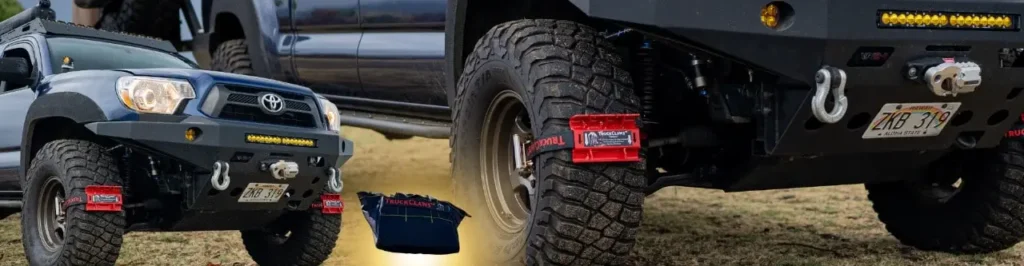
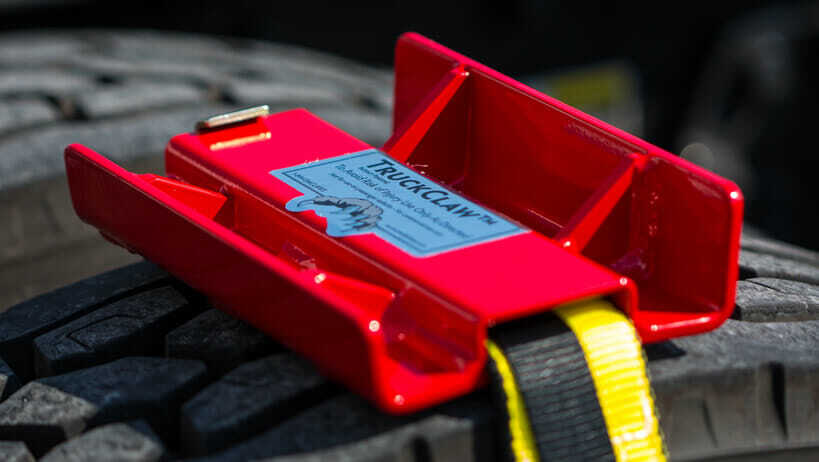
Tools like TruckClaws attach directly to the drive tire and act like temporary cleats—biting into ice, mud, or snow to restore momentum within minutes.
Chains are fantastic while you’re driving through consistent snow or ice—they increase traction during motion.
Why relying on just chains isn’t enough — even snow chain alternatives can fall short without dedicated recovery gear for deep snow or ice.
But when you’re already stuck, chains won’t help much. You need a recovery tool that can assist from a dead stop.
Chains help with traction while driving; traction tools help you move when you’re stuck.
Fleet managers know that delays cost money. Whether it’s a box truck stuck on a snowy slope or a semi stranded in a frozen lot, having fleet emergency gear like traction tools on board minimizes downtime, towing costs, and risk to drivers.
In unpredictable winter terrain, preparedness is power—and traction tools are essential gear, not optional accessories.
When fleet drivers face snow-packed trails, icy inclines, or remote winter recovery situations, not all traction tools are created equal.
While traction boards like Maxtrax have carved a niche in off-road recovery, TruckClaws offer a more adaptable and fleet-ready solution.
Let’s break down how TruckClaws compare to traditional traction boards:
| Feature | TruckClaws | Traction Boards |
| Portability | Compact; easily stows behind the seat | Bulky; often requires roof/bed storage |
| Setup Time | Quick install; no digging needed | May require clearing snow or mud first |
| Durability | Reinforced, reusable even in freezing temps | Can crack or warp in cold conditions |
| Solo-Friendly | Designed for one-person use | Tricky to deploy without assistance |
| Cost | Affordable and scalable across fleets | Premium pricing for name-brand options |
TruckClaws were engineered with emergency tire traction aid in mind—specifically for commercial drivers and fleets operating in unpredictable conditions. When you’re stuck in deep snow on a backroad or bogged down with a loaded rig, TruckClaws outperform standard traction mats by delivering immediate grip without digging or external help.
Unlike snow traction aids that sit in your bed and only get used once a season, TruckClaws are a frontline tool in any winter fleet emergency gear kit. Their compact size, rugged design, and ease of use make them the best traction tool for fleets, especially those operating in high-risk winter zones.
Forget Maxtrax—TruckClaws are built for the weight, wear, and real-world scenarios commercial fleets face every day.
Getting unstuck is great—but not getting stuck in the first place is even better. Whether you’re managing a commercial fleet or heading out for overlanding, proactive planning is key.
Here’s how seasoned drivers—and smart fleet managers—keep vehicles moving:
Avoiding recoveries isn’t just about equipment—it’s about mindset, maintenance, and respect for the terrain.
For fleet winter prep, that means having not just chains, but full traction recovery gear onboard—and the training to use it right.
When you’re managing a fleet, time, reliability, and safety are non-negotiable.
Whether it’s a diesel workhorse, a box truck hauling cargo, or a heavy-duty pickup navigating icy job sites, having the right emergency gear can make all the difference—and that’s where TruckClaws step in.
Unlike traditional traction tools that require digging or pre-cleared paths, TruckClaws deploy directly on your tires with no prep work.
Within minutes, drivers can regain traction in snow, ice, mud, or sand—without relying on a tow or backup.
What makes TruckClaws a must-have for every fleet truck?
From winter fleet prep to unexpected off-road detours, TruckClaws offer the best traction aid for diesel trucks and a no-nonsense emergency gear solution for fleet vehicles.
Winter challenges are real—but avoidable. Equip your truck not just for the drive, but for what might go wrong.
TruckClaws make emergency recovery accessible, fast, and solo-friendly—no digging, no delay.
When one stuck truck can cost your fleet hours of downtime and thousands in lost revenue, prevention is worth far more than the cure.
Whether you’re snow-bogged in Utah or running deliveries in icy Montana, TruckClaws should be part of every fleet’s emergency kit.
Don’t rely on luck—equip your trucks with real traction power.
Cold weather thickens diesel fuel and oil, making it harder for the engine to turn over. Batteries also lose cranking power in low temps. Block heaters, proper winter-grade oil, and keeping the tank full can help improve cold starts.
Yes, TruckClaws traction aid for diesel trucks can be used on icy or snowy pavement. They’re designed to grip through low-traction surfaces without needing to dig out tires. Just ensure you install them securely and avoid spinning the wheels excessively.
Traction mats can help in light snow, but they’re often less effective in deep snow, slush, or ice. For commercial snow recovery, tools like TruckClaws offer better grip, quicker deployment, and real-world reliability for heavier vehicles.
To thaw frozen fuel lines, use a fuel line antifreeze or diesel-specific additive. You can also warm the vehicle in a garage or with a block heater. Prevention is key: add winter fuel treatment and keep water out of the tank to avoid gelling and ice blockages.
For both solo drivers and fleet operators, TruckClaws stand out as the most practical recovery tool. They’re compact, require no digging, and work in snow, mud, or ice—making them ideal for emergency gear in all commercial and overland setups.