Why Your Tires Spin but Truck Won’t Move — and How to Fix It
Sometimes, your truck feels fine — the engine starts, you hit the gas, the tires spin… but the truck just won’t move.
It’s a confusing and frustrating moment, especially if you’re stuck on the side of the road or in the middle of nowhere. Your first thought might be, “Is something broken?”
The truth is, this can happen for many reasons. It might be loss of traction on slippery ground like mud, snow, or ice.
Or it could be a problem with parts like the axle, brakes, or driveshaft. If you don’t find the cause fast, it might lead to more damage — or leave you stranded in a risky spot.
In many cases, using a good traction aid like TruckClaws can help you regain grip and get moving again.
These are handy tools designed for situations where your tires are spinning but you’re stuck in place.
In this guide, we’ll walk through the most common reasons this happens — and simple ways to fix it or prevent it next time.
The #1 Cause: Loss of Traction
When your truck’s tires are spinning but the vehicle won’t budge, the most common reason is simple: loss of traction.
How to Spot It
The engine runs and tires spin, but the truck doesn’t move.
Often happens on loose or slick surfaces like:
Mud
Snow
Gravel
Wet grass
Icy driveways or forest trails
You’re not dealing with a mechanical failure just yet — the wheels just can’t grip the surface beneath them.
How to Fix It Quickly
Slightly deflate your tires (drop PSI to widen the contact patch — just don’t go too low).
Use a traction aid like TruckClaws to regain grip instantly. Unlike standard plastic mats or makeshift boards, TruckClaws clamp directly onto your tire and dig into the surface, providing real mechanical traction.
If your truck has 4WD or a locking differential, engage it to split torque evenly between the wheels.
Avoid flooring the gas — spinning faster won’t help and may dig you deeper. Ease onto the throttle instead.
Pro Tip: Always carry TruckClaws in your emergency kit if you drive in rural, snowy, or off-road areas. They’re compact, reusable, and made for exactly this kind of situation.
Mechanical Failure: Axle or Driveshaft Problems
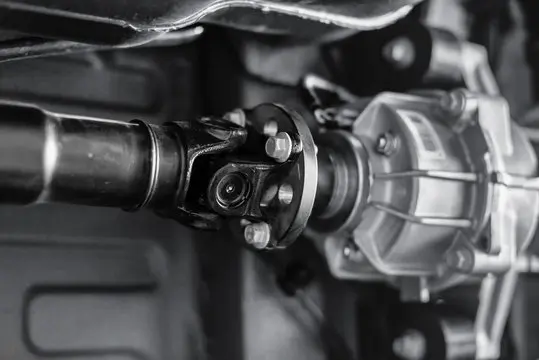
If your tires spin — or even worse, only one wheel spins while the truck stays still — the issue might be more than traction. You could be dealing with a broken axle or a damaged driveshaft.
Broken Axle Symptoms
One tire spins uselessly while the other stays still.
You might hear a clicking, grinding, or clunking noise — especially when trying to accelerate.
Often caused by:
Sudden jolts on rough terrain
Carrying heavy loads over time
Corrosion or fatigue in older parts
Driveshaft Problems
The engine runs, but no power reaches your wheels.
Truck won’t move at all in gear — forward or reverse.
Common in vehicles used off-road, or with worn-out U-joints or center bearings.
How to Fix It
Carefully perform a visual inspection under the truck (only if it’s safe).
Look for a disconnected shaft, twisted metal, or grease leaks near the joints.
If there’s visible damage, don’t drive — call for a tow and have it checked by a mechanic or driveline specialist.
Helpful Tip: Driveline issues often hide behind traction problems. If your traction tools like TruckClaws don’t help and your tires still spin, your drivetrain may need attention.
Differential or Transfer Case Issues
If your truck is in gear but the tires just spin — or worse, nothing happens at all — the problem might be hiding inside the differential or transfer case.
What You Might Notice
The truck stays still even though the tires spin or try to spin.
You may hear a clicking, grinding, or clunking sound, especially from the rear axle or underbody.
Some 4×4 trucks may feel like they’re stuck in neutral even when in gear.
Common Situations
Limited-slip differentials can wear out or fail to lock properly, causing one wheel to spin with no traction transfer.
A malfunctioning transfer case can block power flow in 4WD systems, leaving the truck powerless.
Off-roaders and heavy-haulers often face these issues due to extra drivetrain stress.
What to Do
Try switching between 2WD and 4WD modes. Sometimes the system gets stuck or confused — a reset can help.
Look for signs of gear oil leaks, especially near the differential or transfer case.
If noises or leaks are present, it’s time to call a qualified mechanic — these components often need professional diagnostics and repair.
Pro Tip: If your tires are spinning due to traction loss (not mechanical failure), a product like TruckClaws can give you the instant grip you need to test whether your drivetrain is still working.
Transmission Not Engaging Properly
Sometimes your truck won’t move — even though the engine runs and the gear shifter is in Drive. This usually means the transmission isn’t sending power to the wheels.
What It Looks Like
You press the gas, the engine revs, but nothing happens — no movement at all.
You may smell something burning or see a warning light on your dashboard.
What Causes It
Low or leaking transmission fluid — especially common in older trucks or after long drives.
Internal transmission damage, like worn clutches or valve body problems.
In some cases, an issue with the gear selector can prevent proper engagement.
What to Do
Check the transmission fluid dipstick (if your truck has one). If it’s low or smells burnt, that’s a red flag.
Try shifting through all gears — then back to Drive.
If that doesn’t help, don’t force it. Continuing to drive can cause more damage. It’s best to call a certified transmission mechanic right away.
Heads-up: If your tires are spinning without actual movement and you’ve ruled out traction loss (by using tools like TruckClaws), a failing transmission could be the next thing to inspect.
Brake System Holding You Back
Your truck may not move — even when the engine is running and gears are engaged — if the brakes are stuck. This is a common issue, especially after off-roading, cold nights, or long downhill drives.
Watch for These Clues
Truck feels like it’s dragging or completely stuck.
You hear a metal scraping sound or notice one wheel smoking.
The truck doesn’t move even though it tries.
Common Brake Issues
Parking brake partially engaged: Cables can freeze in cold weather or get stuck from rust.
Seized brake caliper: The brake pad stays pressed due to corrosion, overheating, or damaged pistons.
ABS faults: In rare cases, a failed ABS module can apply pressure when it shouldn’t.
What You Can Try
Gently try to roll the truck — sometimes slight movement helps unstick the brakes.
Tap the brake pedal while moving slowly (if it rolls) to loosen up a stuck piston.
If the issue continues, get the brakes inspected immediately to avoid rotor or pad damage.
Tip: If your brakes aren’t the issue and you’re stuck on slippery ground, using TruckClaws traction aids can help you regain control safely and avoid spinning your tires pointlessly.
Electronic Interference (ESC / TCS)
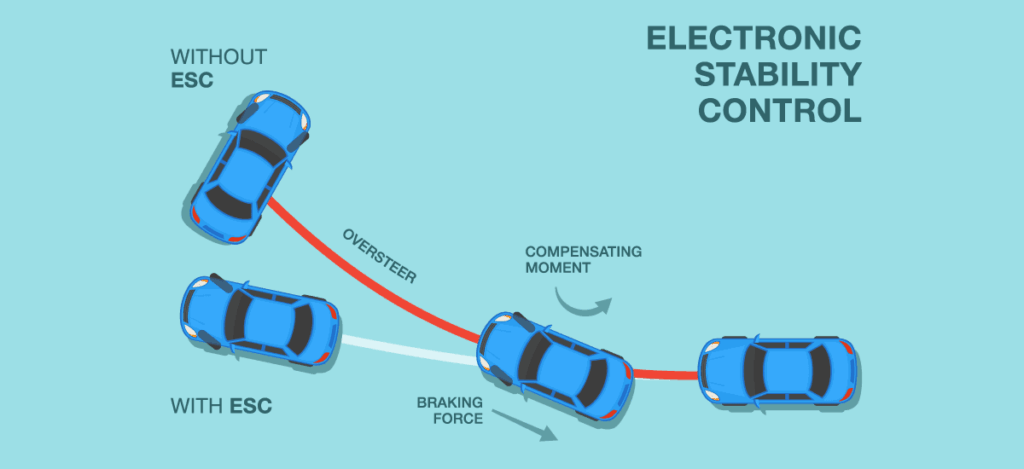
Modern trucks use smart safety systems like Electronic Stability Control (ESC) and Traction Control System (TCS) to help you stay in control. But sometimes, these systems misfire — especially on ice, mud, or uneven terrain — and end up causing more problems than they solve.
How It Feels
The truck won’t move even though it’s in gear.
Tires spin or brake suddenly, even if you didn’t touch the brakes.
A traction or stability warning light may flash on your dashboard.
What’s Going On
ESC or TCS thinks you’re losing control, so it may cut power to the wheels or apply brakes automatically.
On slippery surfaces, this can lock up the truck unintentionally.
How to Fix It
If it’s safe, temporarily turn off traction control using the TCS or ESC button on your dashboard.
Restart the vehicle — this often resets the system and clears out glitches.
If the light stays on, have a mechanic check the wheel speed sensors or ESC module.
Pro Tip: When you’re stuck on icy or muddy ground and systems like ESC are limiting wheel movement, using TruckClaws can provide direct mechanical traction without relying on electronics.
How to Prevent It from Happening Again
Getting stuck once is frustrating — but getting stuck again for the same reason? Avoidable. Here’s how you can make sure your truck stays moving when it matters most.
Always Carry Traction Tools
Keep a set of TruckClaws in your emergency gear. Unlike cheap mats or cardboard, TruckClaws grip into mud, snow, or ice and help your tires bite into the terrain. They’re compact, reusable, and far more reliable than sand or plastic boards.
Regular Maintenance Checks
Make it a habit to inspect:
Transmission fluid (low or dirty fluid can lead to shifting issues)
Driveshaft and axles for rust or cracks
Brake system, especially parking brake cables and calipers
A 10-minute check can save hours of being stranded.
Drive Smart on Tricky Terrain
Use 4WD or locking differentials on mud, snow, or gravel.
Avoid sudden acceleration — high RPMs can dig your tires deeper.
Turn off traction control temporarily if you’re stuck in soft ground and need wheel spin.
Learn the Warning Signs
Pay attention to:
Clicking sounds when turning (may signal CV joint wear)
Delayed gear shifts or slipping (could mean transmission issues)
Burning smells from wheels (might be brake lock-up)
Early detection prevents costly repairs — or a no-go situation on the trail.
When to Call for Help
Sometimes, no matter how many tools you have, your truck just won’t budge — and that’s when calling for help is the smart move.
Signs You Shouldn’t Go It Alone
You’re stuck in a remote area or an unsafe neighborhood.
The truck makes loud mechanical noises or warning lights flash on the dash.
You’ve tried basic traction fixes (like TruckClaws) but still can’t move.
There’s no phone signal, and you’re unsure what’s wrong.
Who to Call
Roadside assistance services (like AAA or Good Sam).
A mobile mechanic if you’re near a town or highway.
If you feel unsafe, don’t hesitate to call 911 or local emergency services.
Helpful Tools to Carry
Even while waiting for help, the right gear keeps you safe and informed:
A flashlight and power bank (especially at night).
A tire inflator — great if low pressure was the real issue.
An OBD-II scanner to check error codes and better explain the problem to a mechanic.
A set of reflective triangles to alert passing vehicles.
Tip: If you’re driving in rough or off-road areas often, keeping TruckClaws and a compact emergency kit in your truck could save you from ever needing a tow.
Conclusion: Stop the Spin and Get Moving
When your tires spin but the truck won’t move, the cause usually falls into one of four categories:
Loss of traction
Axle or drivetrain damage
Brake system problems
Transmission failure
The key is to start with the simplest checks first — always look at the ground. If you’re stuck in mud, snow, or loose gravel, chances are it’s a traction issue.
That’s where tools like TruckClaws make a real difference. Unlike basic mats or cardboard tricks, they provide solid grip to help you regain momentum fast and safely.
To avoid getting stuck again:
Stay on top of regular vehicle maintenance
Keep a roadside emergency kit in your truck
Learn the early signs of drivetrain or brake trouble
Drive with caution on rough or slippery terrain
Get prepared, stay alert, and you’ll keep your wheels turning — no matter what the road throws at you.
Frequently Asked Questions
Why do my tires spin but my truck won’t move?
This usually means your truck has lost traction. It happens often on surfaces like mud, snow, gravel, or wet grass. The tires spin because the power can’t grip the ground. Sometimes it could also be a transmission, brake, or axle problem. Start by checking the terrain. If it’s loose, tools like TruckClaws can give your tires the grip they need to get moving again.
Can a broken axle cause no movement?
Yes. A broken axle or a damaged CV joint can stop power from reaching your wheels, even if the engine is running. If your truck makes loud clicking or grinding noises and won’t move at all, it’s best to call a mechanic right away. Driving further could make the damage worse.
Is it safe to drive with a stuck brake caliper?
No, it’s not safe. A stuck brake caliper can cause your brakes to overheat, wear out quickly, or even make the truck pull to one side. If you feel your truck dragging or smell something burning, pull over and inspect the brakes. You might need a caliper repair or replacement to fix the issue safely.
How can I get my truck unstuck from snow or mud?
If your truck is stuck in snow or mud, stay calm and don’t just press the gas harder — that can dig you deeper. Instead:
Slightly deflate your tires to increase surface area.
Place a traction aid like TruckClaws under the tires.
Engage 4WD or a locking differential if available.
If that fails, try rocking the truck gently forward and backward.
Having the right off-road recovery gear on board can make all the difference in these moments.