
Ever had your traction control light suddenly come on, leaving you worried if it’s safe to keep driving? It’s a scary moment, especially when the road is wet or slippery.
The traction control system in your vehicle helps keep you safe by stopping your wheels from slipping.
This system works hard to prevent skids and keeps your car steady when driving on tricky surfaces like rain, ice, or loose gravel.
At the heart of this safety feature are the traction control sensors. These sensors watch your wheels closely and tell the car when one starts to lose grip.
When that happens, the system adjusts power or brakes to help you stay in control. Without these sensors working right, the system can’t do its job properly, and that can be risky.
Sometimes, even the best systems need a little help. When the roads get really tough, like deep snow or mud, your car’s traction control might not be enough.
That’s when using extra traction aids like TruckClaws can make a big difference. These handy tools give your tires extra grip to get you moving again safely.
A traction control sensor is a key part of your vehicle’s traction control system (TCS). Its job is to monitor the speed of each wheel and help the system know if any wheel is slipping or losing grip.
When the sensor detects a slip, the TCS adjusts power or applies brakes to that wheel to keep the car stable and safe.
There are different types of sensors involved. The most common are wheel speed sensors, which measure how fast each wheel is turning.
Another important sensor is the steering angle sensor, which tells the system the direction you want to go. Together, these sensors help the car understand both wheel movement and steering.
These sensors work by sending information to the car’s ABS system, engine control module (ECM), and other control units.
They use a communication network called the CAN Bus, which lets all these parts share data quickly. This teamwork helps the traction control system react fast to keep you safe on the road.
Traction control sensors constantly check the speed of each wheel in real-time. They send this information to the vehicle’s control systems to make sure all wheels are gripping the road properly.
These sensors work closely with other safety features like the ABS (anti-lock braking system) and electronic stability control (ESC).
They also communicate with the drivetrain to adjust power delivery when needed. This teamwork helps the vehicle stay balanced and prevents skidding.
For example, on wet or icy roads, if one wheel starts to slip, the traction control sensor detects the difference in speed.
The system then reduces power to that wheel or applies brakes, stopping the slip and keeping your vehicle steady and safe.

If your traction control warning light stays on, it’s often the first sign something is wrong with the sensors.
You might also see warning lights for the ABS or stability control system come on at the same time.
When the sensors fail, your vehicle can lose traction on slippery mud or roads more easily. You might notice erratic braking or the car pulling to one side without warning.
In bad weather like snow or rain, a faulty sensor can make it hard to keep your vehicle stable, increasing the risk of skidding or losing control.
One common cause is sensor failure due to regular wear and tear, water damage, or corrosion. Over time, sensors can stop working properly if exposed to harsh conditions.
Another cause is electrical wiring issues, like frayed wires or loose connections, which can disrupt the sensor’s signal.
Sometimes, software glitches in the vehicle’s ECM or traction control module can cause false warnings or sensor malfunctions.
Physical damage from hitting potholes, debris, or rough off-road driving can also harm the sensors or their connections.
Finally, problems with wheel bearings can affect sensor alignment, leading to incorrect readings and traction control errors.
Start with simple fixes like cleaning the sensors to remove dirt or debris that might block their signals. Also, check and secure any loose wires to ensure good connections.
If cleaning doesn’t help, you may need a sensor replacement. Replacing a wheel speed sensor or steering angle sensor usually involves removing the old sensor and installing a new one.
Parts typically cost between $50 to $150, while labor can add $100 to $200 depending on your vehicle and mechanic.
You can try some DIY fixes if you feel comfortable with basic tools and have a multimeter to test sensors.
However, if the problem involves complex wiring, software issues in the ECM, or you’re unsure about the repair, it’s best to visit a professional mechanic.
Overall, repair costs for traction control sensor problems can range from $150 to $400. Getting regular check-ups can help avoid costly repairs and keep your traction control system working smoothly.
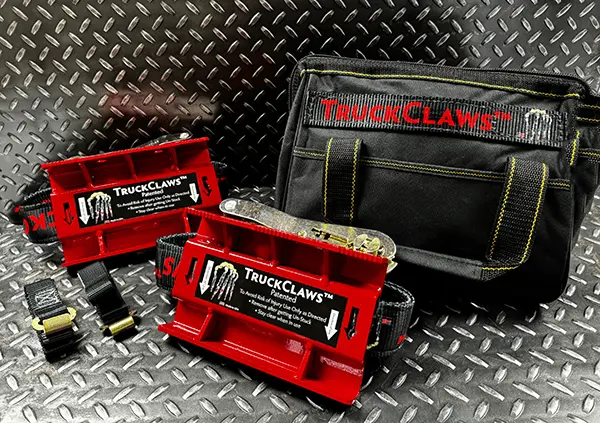
Sometimes, even the best traction control systems can’t help—especially in tough spots like deep snow, mud, or loose sand. In these situations, your wheels may keep spinning without gaining grip, leaving you stuck.
That’s where TruckClaws come in as a reliable backup. These traction aids are specially designed for emergency traction recovery when your vehicle’s system can’t get you moving.
Unlike traditional traction mats, TruckClaws are safer and more effective because they grip the tire firmly, helping you escape slippery surfaces quickly.
Plus, TruckClaws are portable and reusable, making them perfect for trucks, SUVs, and off-road vehicles.
Imagine a driver stuck in snow with a faulty traction control sensor—by using TruckClaws, they can regain traction and drive away safely, no matter the sensor problems.
TruckClaws give you peace of mind when your vehicle’s traction control can’t do the job alone.
To keep your traction control sensors working smoothly, regular maintenance is key. Start by checking the sensors and wiring often to catch any wear or damage early.
Make sure to keep the sensors clean, especially after driving off-road or through snow and mud. Dirt and grime can cause false readings or sensor failure.
Tire care also plays a big role—choose tires wisely and keep your tires properly inflated, check the tread depth, and ensure the wheels are well aligned. Good tire health supports the whole traction control system.
Lastly, to avoid potholes, road debris, and harsh off-road conditions that can physically damage sensors or affect their alignment better, consider reading about off-road recovery gear that’s designed to keep you safe on challenging trails.
A little care goes a long way in preventing costly repairs and keeping your vehicle safe on the road.
The warning light usually comes on when the traction control sensor detects a problem, like a faulty sensor, wiring issues, or glitches in the system. It alerts you that the traction control system might not work properly, so it’s important to get it checked soon.
You can drive, but it’s not safe to ignore the problem. A bad sensor means your vehicle might lose stability on slippery roads, increasing the risk of skidding or accidents. It’s best to fix the sensor quickly to keep your car safe.
Replacing a sensor usually costs between $100 and $300, including parts and labor. Prices vary depending on your vehicle model and repair shop. Simple fixes like cleaning or wiring repairs can be cheaper.
Traction control focuses on preventing wheel slip during acceleration by adjusting power to the wheels. Stability control helps keep the entire vehicle stable by managing brakes and engine power during sharp turns or slippery conditions.
Yes! When your traction control system can’t keep you moving—like in deep snow or mud—TruckClaws provide extra grip. They work as emergency traction aids that help your tires gain traction, making them a reliable backup for trucks, SUVs, and off-road vehicles.
Traction control sensors play a vital role in keeping your vehicle stable and safe, especially on slippery roads.
Diagnosing and fixing any sensor problems early can prevent bigger issues and keep your drive smooth and secure.
Don’t wait for warning lights to turn on—regular maintenance and sensor checks are the best way to stay ahead of trouble.
And remember, no system is perfect. When your traction control system can’t do the job, having reliable traction aids like TruckClaws on hand can make all the difference in emergencies.
Have you faced traction control problems before? Share your experience or ask your questions in the comments below! Let’s keep everyone safe and informed.