
Winter roads in the USA can turn into some of the most dangerous places for truckers. Heavy snow, black ice, and sudden storms make driving a serious challenge.
Each year, thousands of truck accidents in winter are reported, and many of them happen on highways that are known for extreme weather.
For truck drivers, one mistake on a slippery road can mean hours of delay—or worse, a life-threatening crash.
According to the Federal Highway Administration, almost 24% of all weather-related crashes in the U.S. happen on snowy, icy, or slushy pavement.
For truckers moving heavy loads, these numbers show why winter trucking safety cannot be ignored.
The roads may look fine at a glance, but hidden ice or sudden snow can make even the most experienced drivers lose control.
This is where planning and preparation matter the most. Along with safe driving habits, using traction aids such as tire chains and TruckClaws can be a real lifesaver when trucks get stuck on icy shoulders, steep grades, or frozen backroads.
In this guide, we’ll look at the 20 most dangerous winter roads in the USA and how truckers can stay prepared when driving through them.
Great — let’s build the “Understanding Winter Driving Risks for Truckers” section in the same tone and SEO-friendly way as the intro.
Snow and ice make the road surface slippery, but the real danger often comes from black ice. It’s nearly invisible and forms when temperatures hover around freezing.
For truckers, hitting black ice at highway speed can mean losing control in seconds. This is one big reason why accident rates rise sharply in winter months across the USA.
The Department of Transportation (DOT) and the Federal Motor Carrier Safety Administration (FMCSA) set clear rules for safe winter driving. Their guidelines cover areas like vehicle inspections, reduced speed limits in severe weather, and keeping longer following distances.
These safety frameworks are designed to cut down on truck accidents in winter and protect both drivers and cargo.
Truckers are also expected to follow roadside checks to ensure lights, tires, and brakes are ready for icy conditions.
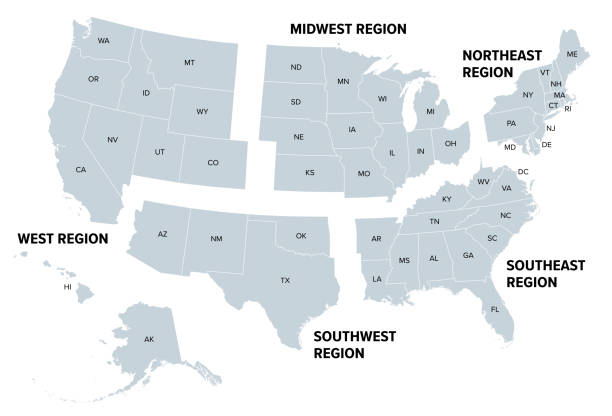
Many states in the U.S. have chain laws that require commercial trucks to carry or use tire chains during snow emergencies.
These laws are strict in mountain states like Colorado, Washington, and Oregon. If truckers ignore them, they face fines and may be forced off the road until conditions improve.
In these areas, chains—or traction aids like TruckClaws—are essential to keep moving safely through steep and icy passes.
Route planning and weather monitoring are two of the most important habits for truckers in winter.
Dangerous highways for trucks often become even riskier when storms roll in, so drivers must stay updated at all times.
Reliable GPS for truckers in snow, along with weather apps, can make the difference between a safe trip and getting stranded.
Truckers often use apps like Trucker Path, AccuWeather, NOAA, and the National Weather Service (NWS) to check road closures, snowfall alerts, and icy conditions.
These tools provide real-time updates on winter road closures and can warn drivers about steep grades or high winds on routes like I-80 in Wyoming or Snoqualmie Pass in Washington.
Good planning also means building alternate routes in case your primary highway shuts down.
For example, if I-90 in Montana is closed due to blizzards, drivers can switch to safer state routes with less elevation.
Another smart move is allowing extra buffer time for delivery. Rushing through snow and ice not only increases accident risks but can also cause violations of Hours of Service (HOS) rules.
Giving yourself room for delays ensures you stay compliant with regulations while protecting yourself and your cargo.
In short, successful winter trucking isn’t just about strong driving skills — it’s about planning ahead, watching the weather, and having a backup plan.

When truckers face the most dangerous winter roads in the USA, survival often depends on safe driving habits.
Snow, ice, and black ice demand a completely different approach than dry pavement. Practicing the right techniques can prevent jackknifing, rollovers, and pileups.
These cold weather trucking safety techniques are simple but lifesaving. By anticipating risks and adjusting your driving style, you’ll be better prepared to handle winter’s toughest highways.
Even the most seasoned drivers know that winter trucking survival kit essentials can make the difference between a long wait in the cold and a safe return home.
Preparing for the worst ensures you’re ready when conditions turn against you.
Knowing what to pack for winter emergencies isn’t just about comfort—it’s about survival.
Truckers who prepare ahead of time are far better equipped to handle breakdowns, sudden weather shifts, or dangerous road closures.
Winter isn’t just hard on trucks—it takes a toll on drivers too. Staying sharp behind the wheel starts with taking care of your body.
Truck driver health in winter is a key factor in safety, endurance, and overall job performance.
Staying healthy on the road during winter is about more than avoiding illness—it’s about keeping your mind alert and your body resilient when conditions demand your best.
When winter roads turn slick, traction can make the difference between staying on schedule and getting stranded.
Knowing the best traction aids for trucks ensures drivers are ready for whatever conditions come their way.
Prepared drivers know that having both chains (when legally required) and quick-deploy solutions like TruckClaws provides the best balance of compliance, safety, and independence.
Winter isn’t just tough on the road—it also means closer scrutiny from inspectors. DOT winter safety rules for truckers emphasize preparedness, and roadside checks become more frequent during the coldest months.
Staying ahead of DOT requirements not only avoids penalties but also keeps both truckers and the public safer during harsh winter driving conditions.
At the end of the day, winter safety tips for truck drivers aren’t just about getting from Point A to Point B—they’re about making sure every trip is safe, compliant, and successful.
While DOT winter safety requirements set the baseline for inspections and regulations, real survival on icy highways comes from going beyond compliance.
Truckers who combine vehicle readiness, personal health, and emergency preparedness with the right recovery tools have the best chance of avoiding breakdowns and accidents.
Tools such as traction aids for trucks in snow, like TruckClaws, give drivers the confidence to handle steep grades, black ice, and remote winter roads where help may not arrive quickly.
With proper planning, smart decision-making, and the right equipment, drivers can stay on schedule, protect their freight, and—most importantly—arrive home safely.
Some of the most dangerous winter trucking routes in the U.S. include I-80 across Wyoming and Nebraska, I-90 in Montana, and mountain passes in Colorado.
These highways often face black ice, high winds, and whiteout conditions, making them particularly hazardous for commercial trucks.
Truck drivers should always carry legally required tire chains when traveling through chain-restricted states.
However, chains aren’t always enough—or practical—in every situation. Many drivers also carry TruckClaws traction aids, which can be installed quickly to provide emergency grip on icy roads, steep grades, and remote highways.
Together, chains and TruckClaws create a safer backup system for winter recovery.
Essential winter emergency supplies include:
DOT winter safety rules for truckers are designed to keep both drivers and the public safe.
These rules cover vehicle readiness (tires, brakes, lights, fluids), mandatory chain laws in certain states, and roadside inspections that increase during winter months.
Staying compliant with FMCSA winter inspections not only prevents fines and delays but also reduces the risk of accidents on icy highways.