
Winter is one of the toughest times of the year for commercial truck drivers. Snow, ice, black ice, and freezing winds can turn a normal trip into a dangerous challenge.
Every year, accidents rise during the colder months, and many are linked to poor vehicle preparation, bad weather, or driver fatigue. That is why winter is often called the most dangerous season for truckers.
When people hear about the “new DOT winter safety rules,” they sometimes think there are brand new laws.
In reality, the Department of Transportation (DOT) and the Federal Motor Carrier Safety Administration (FMCSA) are reinforcing a set of best practices that truckers are expected to follow in winter.
These include proper truck maintenance, smart route planning, safe driving habits, and strong emergency preparedness.
At the heart of these rules is a simple idea: winter safety is about preparation, prevention, and resilience.
Truckers need to make sure their trucks are ready for cold weather, plan ahead for road hazards, and take care of themselves while driving in dangerous conditions.
By following these steps: and carrying reliable traction tools like tire chains and TruckClaws, drivers can stay safe, avoid delays, and keep freight moving even when the weather turns against them.
The “DOT winter driving guidelines” are not brand new laws. Instead, they are safety practices the Department of Transportation (DOT) and the Federal Motor Carrier Safety Administration (FMCSA) expect truckers to follow when the weather turns bad.
These rules help reduce crashes and keep both drivers and cargo safe.
One part of winter safety is understanding how Hours of Service (HOS) can change.
In extreme winter conditions, truckers may get temporary HOS exemptions so they can finish a trip safely without breaking the law.
This flexibility is meant to protect drivers from being stranded or stuck in unsafe areas.
Another key rule is about chain laws. Many states, like Colorado and Oregon, require truckers to carry tire chains during winter.
If roads are icy or snow packed, drivers may be required to use them. Along with chains, modern traction tools such as TruckClaws can help trucks gain grip quickly when wheels start spinning.
These aids can mean the difference between moving forward or waiting hours for a tow.
Finally, winter also brings stricter inspections and roadside checks. Officers may look closely at tires, brakes, and lights to make sure trucks are ready for winter roads.
If a vehicle is not in proper condition, it can be taken off the road until fixed. That is why following winter trucking regulations is not just about avoiding fines, but about protecting lives.
When it comes to winter safety, the truck itself is the first line of defense. A truck that is not ready for cold weather can quickly become unsafe.
That is why truck winter maintenance is one of the most important steps in staying safe on the road.
Every driver should follow a truck maintenance checklist for winter. This includes daily inspections of brakes, tires, lights, wipers, and fluids.
Cold weather puts extra stress on all these parts, and even a small issue can lead to a breakdown on icy roads.
Another key step is using anti-gel fuel additives and de-icing fluids. Diesel fuel can gel in freezing temperatures, making it impossible to start the engine.
By treating the fuel ahead of time, truckers can prevent cold start problems and avoid costly delays.
Truckers should also carry basic emergency roadside gear. Items like jumper cables, safety cones, flares, and a first aid kit are small but can make a big difference in an emergency.
For full commercial truck winter safety, these tools should always be within reach, ready to use when needed.
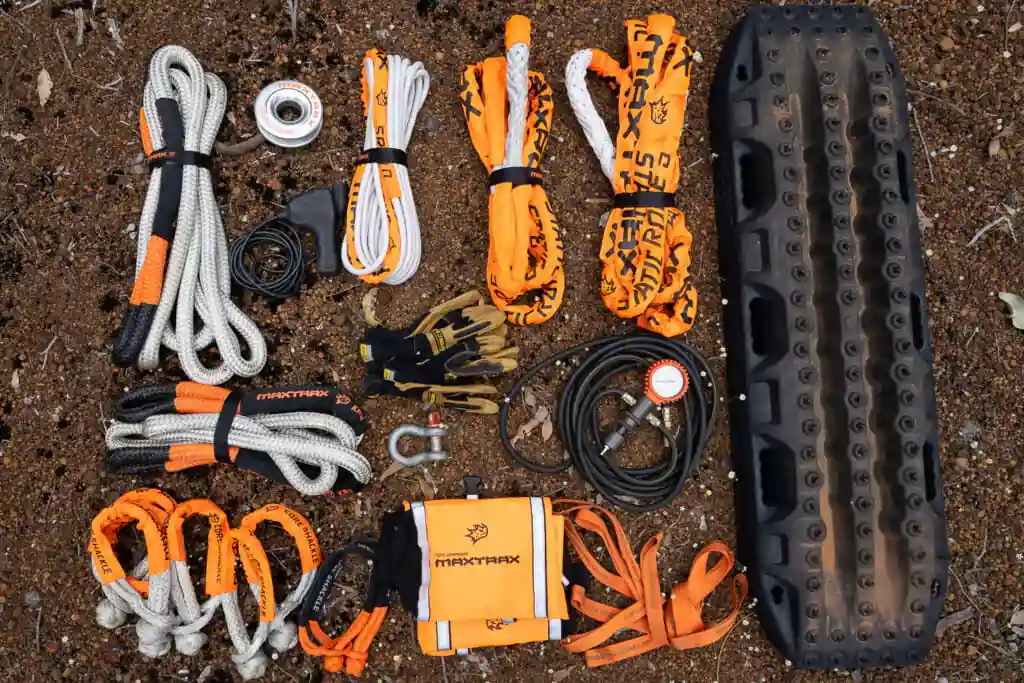
Slippery roads are one of the biggest dangers of winter. That is why traction aids for trucks are a must have during the season. They help drivers stay in control and reduce the risk of getting stuck.
In many states, tire chains are required under chain laws. For example, Colorado and Oregon expect commercial drivers to carry them in certain months.
Chains give strong grip on snow packed roads, but they can be heavy and take time to put on.
For quick recovery, many drivers now turn to TruckClaws, a modern traction aid. Unlike mats or plastic boards, TruckClaws attach directly to the tire and work in snow, ice, and even mud.
They are portable, fast to set up, and designed for emergency preparedness for truckers who cannot wait for a tow.
Being prepared with the right traction tools is also about safety. Without grip, trucks are more likely to slide or lose control, which can lead to jackknife accidents on icy highways.
Having chains and TruckClaws on board gives drivers options and helps them stay self reliant when road crews or tow trucks are hours away.

Winter safety for truck drivers goes beyond just following DOT winter safety requirements, it’s about preparation, resilience, and smart decision making on the road.
Vehicle readiness, driver health, and emergency preparedness form the foundation of safe winter trucking.
While DOT rules set the minimum standards, true safety comes from going the extra mile: planning routes carefully, practicing defensive driving in snow and ice, and equipping the truck with the right survival gear.
Truckers who prepare ahead with essential tools, especially traction aids like TruckClaws, not only protect themselves but also reduce costly delays and keep freight moving reliably all winter long.
The DOT doesn’t issue one single set of “winter rules,” but it does enforce safety standards that apply year round.
For winter driving, truckers are expected to follow best practices such as reducing speed in hazardous conditions, keeping vehicles well maintained (tires, brakes, lights, fluids), and complying with chain laws in states where they apply.
Traditional tire chains remain a go to solution, especially in regions where they’re legally required.
However, portable traction devices like TruckClaws give truckers a faster, more versatile option for self recovery when stuck in snow or ice. Many drivers carry both, chains for compliance and TruckClaws for quick, emergency traction.
A reliable winter trucking survival kit should include warm blankets, waterproof boots, gloves, non-perishable protein snacks, bottled water, and at least half a tank of fuel at all times.
Independent tools such as a jump starter, tire repair kit, TruckClaws traction aid, and paper maps (in case GPS fails) are also essential.