
The easiest way to stay on the road as an independent truck driver is by locking in trucking contracts.
These contracts give you steady work, better pay, and help you plan your routes. Without them, you’re left chasing random loads that may not even cover your costs.
Freight demand is rising across the U.S., and shippers are looking for reliable owner-operators.
That means more chances for independent drivers—but only if you’re ready. Being your own boss gives you freedom, but it also means you must handle everything yourself—from finding loads to keeping your truck ready and safe.
In this guide, you’ll learn simple, smart ways to get started, build trust, and keep your truck moving with steady contracts.
If you want to start strong as an independent truck driver, you have two main options: lease your truck to a carrier or get your own authority.
This is the simpler way to begin. When you lease to a carrier, they take care of finding loads, handling paperwork, and managing rules like compliance and insurance. You just focus on driving.
The best part? You still get to drive your own truck. It’s a great choice if you want steady work without all the business stress.
Going fully independent means you’re in charge. You can pick your loads, set your rates, and build your own business. But it also comes with more tasks.
You’ll need to register with the FMCSA and get your DOT/MC number. Groups like OOIDA can help you understand the process. You’ll also have to manage your own insurance, paperwork, and even marketing to find contracts.
If you’re ready to take full control, this path offers more freedom—and more income.
Before you start hauling freight, you need to meet some basic commercial trucking requirements. These rules protect your business and help you get contracts.
First, you must have a valid CDL (Commercial Driver’s License). Then, register your trucking business—either as an LLC or a Sole Proprietor.
Other legal steps include:
These steps make your trucking business official and ready to operate.
Having the right trucking business insurance is just as important. Most shippers and brokers won’t work with you unless you have these:
Optional but smart add-ons:
Getting insured shows that you’re serious, safe, and ready to work with trusted clients.
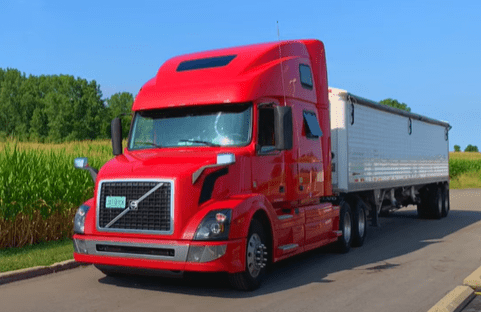
If you’re just starting out, power only trucking is one of the smartest ways to get moving. But what is it?
In power only, you drive your own truck, but the trailer is provided by the shipper or broker. This means you don’t need to own a trailer—which saves you a lot of money upfront.
You’ll often find power only loads on load boards or through dispatchers. These jobs offer flexibility and a chance to build your reputation in the industry.
When hauling power-only loads, especially through rural roads or remote job sites, traction issues can slow you down.
Smart drivers keep TruckClaws onboard—an essential traction aid that gets your truck unstuck fast, especially in muddy or snowy areas where regular mats or chains can fail.
This simple tool can save time, reduce tow costs, and keep your delivery on schedule.
As an independent truck driver, getting reliable loads is your key to steady income. Whether you work with a dispatcher or not, there are many ways to find freight contracts as an owner-operator.
These are websites that list available loads every day. Popular ones include DAT, Truckstop, 123Loadboard, and Convoy.
Freight brokers connect you to shippers. Over time, a good relationship with a broker can bring steady loads.
Don’t want to pay broker or dispatcher fees? Try calling local businesses that ship often.
Tip: Many small shippers are open to direct deals if you show professionalism.
When you deliver excellent service, word spreads. One happy customer can lead to multiple contracts.
Government loads can be big earners. To start, register on SAM.gov and get approved to bid.
This is a great option for serious owner-operators ready to scale.
In a market full of truckers, standing out means looking and working like a pro. Whether you’re bidding on government contracts, reaching out to local shippers, or applying through load boards, presentation and trust go a long way.
Events hosted by groups like ATA, OOIDA, or regional trucking associations are great for networking and learning.
Being visible in the industry builds trust with shippers and brokers alike.
If you’re sending a pitch or applying for a contract (especially large or government freight contracts), make sure it includes:
Pro Tip: Use a simple TMS (Transportation Management System) to manage and present data like delivery times, fuel costs, and load history professionally.
By presenting yourself as trustworthy, organized, and consistent, you move from just “another trucker” to a reliable logistics partner.

Running a successful independent trucking business isn’t just about driving—it’s about efficiency, preparedness, and smart tools. The right setup saves time, money, and headaches on the road.
Mandatory for most truckers, but beyond compliance, they help track hours, improve efficiency, and avoid violations. Popular options include Motive (formerly KeepTruckin), Garmin, and Samsara.
Fuel costs can make or break your profit margins. Fuel cards like Mudflap, NATSO, and Fleet One offer discounts, track expenses, and sometimes include maintenance perks.
Apps like QuickBooks, Truckstop Factoring, or Rigbooks help you get paid faster and stay organized. In an industry where cash flow is king, reliable invoicing keeps your business running smooth.
Even as a one-truck operation, a lightweight TMS tool helps track loads, routes, expenses, and deadlines. It shows shippers and brokers that you run a professional operation.
When you’re out on your own—especially in rural or uneven terrain—you need a backup plan for traction failure.
“Unlike generic traction mats or chain-based tools, TruckClaws offer a compact, heavy-duty solution that independent truckers can rely on when traction fails—especially useful for one-truck operations without backup support.”
If you ever find yourself stuck in mud, snow, or soft shoulders, TruckClaws can get you moving again without waiting for a tow—saving time, money, and reputation.
Once you’ve built a steady rhythm with contracts and reliable hauls, it’s time to think about growing smart—not just bigger. Scaling means more than adding trucks; it means refining operations, cash flow, and credibility.
If you’re turning down loads or juggling too many details, it may be time to bring on a dispatcher. They help optimize routes, manage brokers, and find loads that fit your niche.
Later, expanding into a small fleet means recruiting reliable drivers and investing in fleet management tools—starting small but thinking system-first.
Invoices can take 30–60 days to clear. A factoring company like RTS Financial can front you up to 90% of your invoice within 24 hours—keeping your fuel, maintenance, and payroll covered without waiting. Just be sure to weigh the fees against your margins.
As you grow, your risks grow too. That means revisiting your:
These upgrades not only protect your business but also improve your eligibility for high-paying freight and government contracts.
To compete at a bigger level, make sure your business is properly structured:
Even experienced truckers can run into avoidable issues—especially when operating independently.
Avoiding these common missteps can save you time, money, and your reputation on the road.
Many new operators assume basic insurance is enough. But gaps in cargo, liability, or bobtail coverage can expose you to serious risk.
Always review your policy line-by-line, especially when taking on new types of loads or longer hauls.
Not all loads are worth the fuel. Watch out for poorly paying routes, unreasonable timelines, or high deadhead miles.
Use load boards to track average lane rates and don’t hesitate to say no if a load doesn’t make sense financially.
Breakdowns or stuck rigs in rural areas can turn costly fast. Traction solutions like TruckClaws aren’t just smart—they’re essential.
When chains and mats fail, TruckClaws help you self-recover without waiting hours (or days) for roadside help.
Relationships drive repeat business. Whether it’s a quick thank-you, a status update, or feedback after delivery, following up leaves a lasting impression and often leads to better-paying lanes down the line.
Your FMCSA registration and Unified Carrier Registration (UCR) aren’t one-and-done tasks.
Failing to update them can lead to fines, suspended authority, or delays in securing contracts—especially those involving government or larger brokers.
Whether you choose to lease under a carrier or operate under your own authority, each path comes with trade-offs.
Leasing offers structure and fewer upfront costs, while running under your own DOT authority gives you full control—but also full responsibility.
No matter your choice, consistency, professionalism, and preparation are the cornerstones of winning in this industry.
Contracts don’t just fall into your lap—you earn them through showing up, doing the job right, and building trust over time.
Investing in the right tools makes a difference too. From smart TMS platforms to emergency traction tools like TruckClaws, being prepared shows you’re serious about your business—and can handle whatever the road throws at you.
Getting contracts is tough—but so are you.
With the right mindset, gear, and game plan, independent trucking can be more than just a job.
It can be your road to real freedom.