
Have you ever been driving and suddenly saw the low tire pressure light come on, even though your tires looked full and healthy?
It’s really confusing and a bit annoying, right? You check the tires, and they feel fine, but that warning light just won’t go away.
This happens because the TPMS (Tire Pressure Monitoring System) in your car is very sensitive.
Sometimes, there are hidden reasons behind the light that you can’t see easily, like changes in temperature or a small problem with the sensors. It doesn’t always mean your tires are flat or unsafe.
Knowing how your TPMS works and having tools like TruckClaws ready can save you from trouble on the road.
These traction aids help when your tires lose grip, especially in tricky situations like mud, snow, or ice.
So, understanding both your tire pressure and how to handle low traction can keep your drive smooth and safe.
The low tire pressure light, also called the TPMS warning, is a signal on your dashboard that tells you when one or more tires have low air pressure.
The TPMS (Tire Pressure Monitoring System) uses sensors inside each tire to check the air pressure all the time. If the pressure falls below a safe level, the system turns on the warning light to alert you.
Keeping the right tire pressure is very important. Proper inflation helps your car stay safe, works better, and keeps good traction on the road.
When tires don’t have enough air, they can wear out faster, use more fuel, and lose grip, which makes driving risky.
In tricky conditions where tires lose grip: like mud, snow, or ice, traction aids like TruckClaws can help a lot.
They provide extra traction and keep your vehicle moving safely even if the tires are not perfectly inflated or face unexpected hazards.
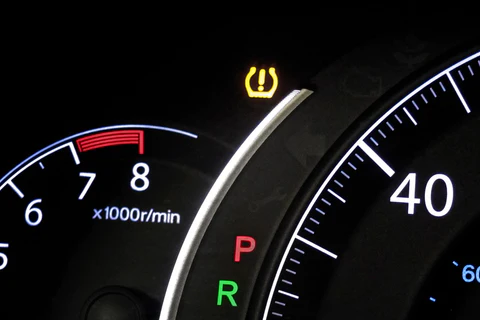
When the weather gets cold, the air inside your tires shrinks, causing the pressure to drop. This is why the low tire pressure light often comes on during winter months. Seasonal changes can affect the TPMS readings, making the system alert you even if the tires look full.
Sometimes, the TPMS sensors themselves can have problems. Faulty or damaged sensors may send wrong signals, causing the warning light to turn on even when tire pressure is fine.
Not all leaks are easy to spot. Slow leaks around the valve stem or the tire bead (where the tire meets the rim) can lower pressure over time without obvious signs. In emergencies like a flat caused by these leaks, using TruckClaws as a traction aid can help you get out of tough spots safely.
When tires are rotated, the TPMS system may need to be reset. If not reset properly, the sensors might show incorrect pressure and trigger the warning light.
The small batteries inside TPMS sensors don’t last forever. When they get weak or die, the sensors can’t send accurate pressure data, causing false low pressure alerts.
Quick tip: Always keep a traction aid like TruckClaws in your vehicle. They come in handy if low tire pressure reduces traction or if you face slippery road conditions unexpectedly.
Keeping your tires at the right pressure is more important than you might think. When tire pressure is low, it affects many parts of your driving:
If you ever find your tires losing grip, knowing how to get a truck out of mud with effective techniques can save you time and stress.
When your tires lose grip, traction aids like TruckClaws can save the day. Compared to regular mats, TruckClaws provide a more reliable grip on mud, snow, or ice, even if your tire pressure drops suddenly.
Many truckers rely on TruckClaws when their tires lose traction on rough terrain or because of improper inflation. These aids help them get moving safely without waiting for help.
When your tires lose grip or the low tire pressure light comes on unexpectedly, having a reliable traction aid can make all the difference.
TruckClaws stand out as a better choice than traditional traction mats for several reasons:
There are many stories of drivers saved by TruckClaws when stuck due to low tire pressure or slippery roads.
Whether it’s a trucker caught in icy conditions or an off roader in muddy trails, these traction aids have helped them get back on track quickly and safely.
Pro tip: For the best safety on the road, combine regular tire maintenance with keeping TruckClaws handy. This way, you’re ready for any unexpected loss of traction or pressure problems.
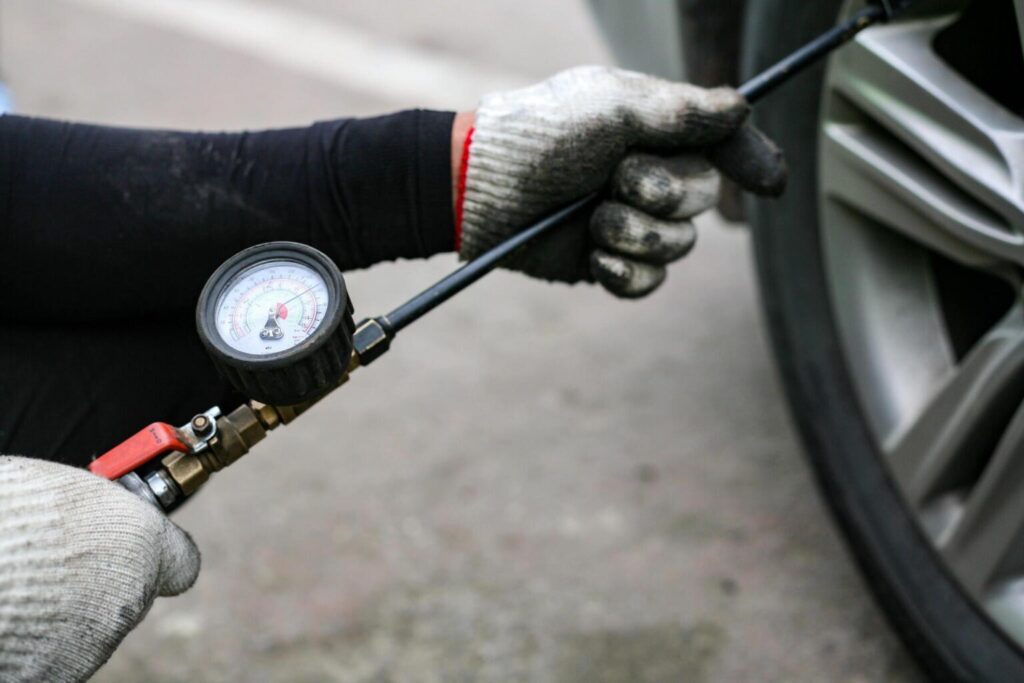
Sometimes, the low tire pressure light won’t go off no matter what you do. Here are clear signs you should visit a mechanic:
Don’t ignore these signs, getting professional help early can save you from bigger issues down the road.
To wrap up, the low tire pressure light can come on even when your tires look full due to factors like temperature changes, sensor glitches, or slow leaks.
You can follow simple DIY troubleshooting steps like checking pressure manually and resetting the TPMS to solve many issues.
Remember, having TruckClaws in your vehicle is a smart way to stay safe.
They help keep your tires gripping the road when traction slips, especially during emergencies caused by sudden pressure drops or rough terrain.
Stay prepared, keep your tires healthy and always carry TruckClaws for extra peace of mind on every trip.
Ready to improve your traction? Explore TruckClaws for reliable, easy to use traction aids.
And don’t forget to share your story in the comments, has the TPMS light ever confused you? We’d love to hear!
The light can come on due to sensor errors, temperature changes, or slow leaks you might not see. Sometimes, the TPMS needs resetting after tire rotation or maintenance.
Yes, cold weather lowers air pressure inside tires, which can cause the TPMS light to turn on even if your tires seem full.
Resetting varies by vehicle, usually, it involves using a button or your car’s menu system. Check your vehicle’s manual for exact steps.
Yes, TruckClaws are legal and designed to help drivers gain traction safely in emergencies like snow, ice, mud, or low tire pressure situations.
TruckClaws work well on snow, ice, mud, sand, and rough terrain, making them a reliable aid for most traction emergencies on and off road, a great alternative if you want to explore traction board alternatives for tough conditions.