
The future of truck recovery is smart, clean, and quick. Tow teams will use AI, autonomous towing, and towing apps to reach drivers faster.
Fleets will shift to electric tow trucks and even hydrogen fuel cell trucks for more power with less pollution.
With advanced GPS and telematics, dispatchers will see every truck in real time and choose the best route right away.
We’ve come a long way from the old hook-and-chain days. Today’s rigs use flatbeds, safe hitches, and smart sensors to protect vehicles.
Next, IoT and 5G will link trucks, tools, and stations so crews can share data, find parts, and fix problems on the spot. Operators may even use AR to spot safe recovery points in seconds.
What’s driving all this change? Three big forces: safety, sustainability, and digital innovation. New systems like collision alerts and live tracking cut risk.
Cleaner power keeps air better for everyone. And simple, secure features—like mobile pay and even blockchain receipts—make the whole job smoother.
Alongside the high tech, practical traction tools still matter. On mud, snow, or sand, TruckClaws gives stuck wheels the grip they need, so trucks can move and the recovery can finish fast.
The road ahead for towing is not just about bigger trucks, it’s about smarter trucks. One of the biggest changes will come from autonomous tow trucks.
These trucks use AI and smart sensors to drive safely without a full-time operator behind the wheel. This means faster response times in emergencies and less risk for human drivers.
At the same time, machine learning helps companies predict when breakdowns will happen.
With telematics in truck recovery, fleets can track engine health, tire pressure, and other key details. This allows teams to fix problems before a truck gets stuck, saving time and money.
For operators in the field, AR tools for tow truck operators make a huge difference. By using augmented reality glasses or mobile apps, they can see safe towing points highlighted on a vehicle. This reduces mistakes and helps avoid damage during recovery.
Finally, the rise of IoT in recovery vehicles and 5G networks means tow trucks, dispatchers, and even repair shops can share information instantly.
Real-time coordination ensures help reaches drivers quicker and recovery jobs finish more smoothly.
The push for sustainable truck recovery is stronger than ever. Around the world, tow companies are looking for cleaner and smarter ways to power their fleets.
One of the most exciting shifts is the rise of electric tow trucks. These trucks run on batteries instead of diesel, which makes them quiet, efficient, and better for the environment. They are perfect for city recoveries where noise and air pollution are major concerns.
In areas where longer distances and heavier loads are common, hybrid tow trucks are filling the gap.
They use both fuel and electricity, giving drivers the performance of a traditional engine while cutting down emissions. This makes hybrids a great step between old systems and fully electric fleets.
For even more range, hydrogen fuel cell tow trucks are entering the picture. These trucks can refuel quickly and drive long distances without waiting hours to recharge. That’s a big advantage for busy recovery teams who can’t afford downtime.
All these vehicles work best when supported by renewable charging stations and strong green transport policies.
Governments and companies are now building cleaner energy networks that will keep recovery fleets ready to roll while reducing the carbon footprint.
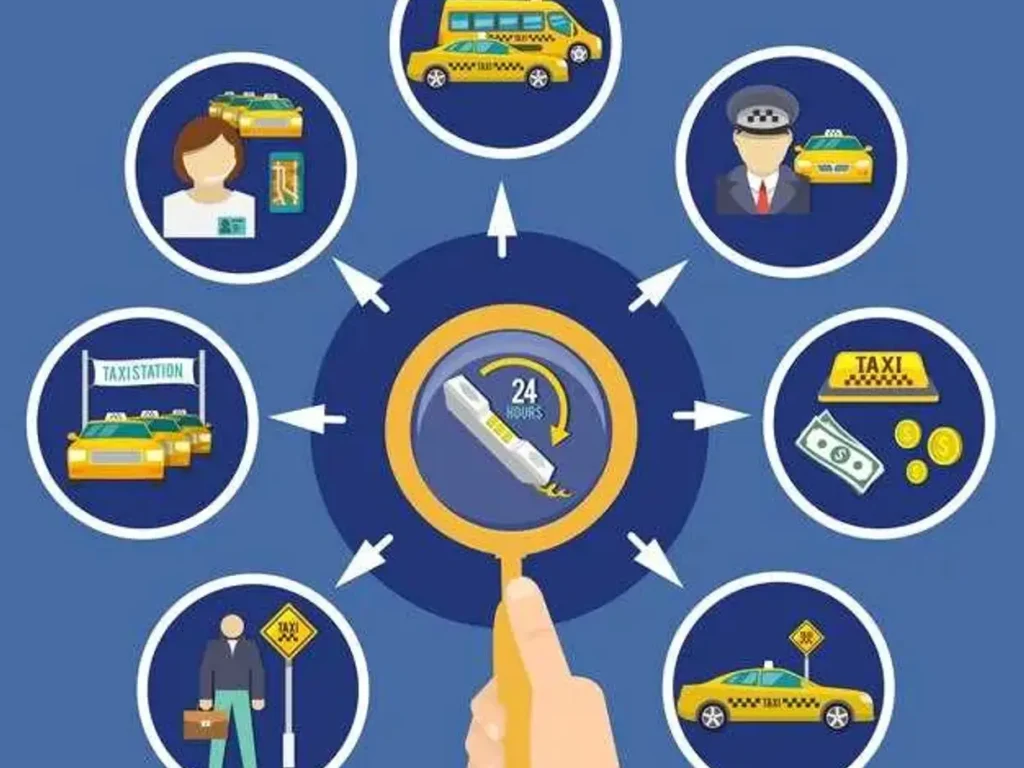
Safety is one of the biggest drivers of change in the recovery industry. New towing safety features like collision avoidance systems help tow trucks stay alert on busy roads.
Smarter hitch designs also make sure vehicles are secured properly, reducing accidents during transport.
Beyond the tow truck itself, smart fleet management tools are changing how companies operate.
With telematics and GPS tracking, dispatchers know exactly where each truck is and how it’s performing. This makes it easier to assign jobs, cut fuel costs, and improve response times.
Tow trucks are also being equipped with smart sensors that monitor vehicle health in real time. These sensors can track things like brake wear, tire pressure, and engine performance.
Combined with predictive maintenance, this data helps fleets prevent breakdowns before they happen.
As more recovery vehicles become connected vehicles (IoT), new risks appear too. That’s why companies are paying more attention to cybersecurity.
From telematics systems to blockchain in recovery services for secure billing, protecting data is just as important as protecting the truck itself.
Beyond telematics and GPS, focusing on small changes like improving fuel efficiency in trucks can lower costs and reduce the chances of roadside emergencies.
Today, drivers expect fast and simple help when their truck breaks down. This is where on-demand towing services come in.
With just a few taps on their phones, drivers can use towing apps to request help anytime and anywhere.
These mobile apps for roadside assistance make it easier to connect stranded drivers with the nearest recovery team.
Another big change is how payments are handled. Instead of carrying cash or waiting for paper bills, drivers can now use mobile payments.
Some companies are even testing blockchain billing in the truck recovery industry to make payments more secure and transparent. This builds trust and reduces the chances of disputes.
Real-time updates are also transforming the experience. Thanks to roadside assistance technology, customers can track the tow truck’s location and know exactly when help will arrive. This reduces stress and gives peace of mind.
For EV drivers, integration with charging stations is becoming more important. Towing services are starting to work closely with EV hubs to make sure stranded electric trucks and cars get back on the road quickly.
As EVs become more common, towing services for electric vehicles need specialized tools and training.
This shift mirrors how drivers already consider the best trucks for towing when investing in heavy-duty models.
That’s why there is now a growing need for specialized equipment in towing services for electric vehicles.
From protecting sensitive batteries to handling unique drivetrains, modern gear makes sure EVs and hybrids are not damaged during recovery.
Another big step forward is the link between towing companies and charging hubs.
This EV roadside recovery model means that stranded drivers can be taken directly to the nearest charging station instead of waiting for long hours.
It shortens downtime and gives EV owners more confidence when traveling long distances.
At the same time, vehicle recovery technology is expanding beyond just towing. Many services now include fuel delivery, tire changes, and even battery jumpstarts.
This kind of future of roadside assistance services shows how recovery is turning into a complete support system for all drivers, no matter what type of vehicle they drive.
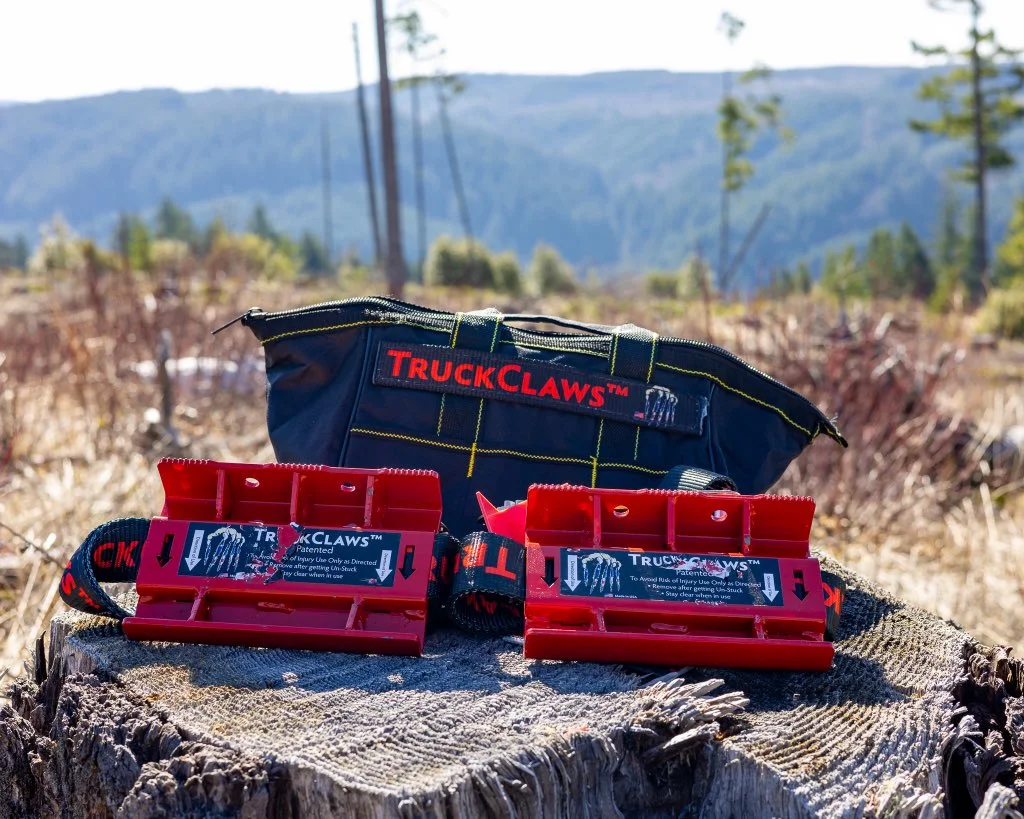
No matter how advanced recovery fleets become, one truth remains: traction is everything.
In tough conditions like mud, snow, and ice, even the smartest vehicles and most advanced systems struggle without grip.
That’s why tire traction aids for recovery are still a cornerstone of roadside and off-road support.
Older solutions such as mats and chains are giving way to emergency traction tools for trucks that are lighter, faster, and more reliable.
Among these innovations, TruckClaws stand out as a portable and durable solution. They quickly attach to a truck’s tires, providing the grip needed to get unstuck in snow, mud, or sand.
For fleets and individual drivers alike, TruckClaws serve as a vital off-road vehicle recovery solution and a dependable option in winter truck recovery equipment.
As the industry moves toward smarter fleets, digital tracking, and even autonomous recovery, traction tools like TruckClaws remain essential.
Positioned as part of the future recovery toolkit, they bridge the gap between traditional hardware and modern technology, ensuring drivers always have a reliable way out of difficult terrain.
While today’s innovations focus on roads and highways, the idea of space towing offers a glimpse into just how far recovery services could evolve.
In the realm of space exploration technology, engineers are already developing robotic spacecraft designed to reposition satellites, clear space debris, and even assist in orbital repairs.
Though it may sound futuristic, space towing represents the ultimate extension of recovery services—demonstrating that wherever vehicles (or vessels) travel, the need for assistance follows.
Just as trucks rely on towing on Earth, satellites and spacecraft may soon rely on orbital “tow trucks” for repositioning or repair.
For the trucking and automotive world, this vision isn’t about replacing current systems but about symbolizing the limitless potential of innovation.
If recovery solutions can extend to orbit, the future of automotive technology here on Earth will only continue to push boundaries—blending smart systems, clean energy, and advanced traction aids to ensure mobility in any environment.
The future of truck recovery lies at the intersection of automation, sustainability, safety, and customer-first innovation.
From AI-powered dispatch systems and AR-enabled diagnostics to hydrogen and electric recovery fleets, cutting-edge technologies are reshaping how vehicles are rescued and supported on the road.
Yet, the recovery industry’s progress isn’t only about advanced machinery—it’s also about practical, reliable solutions that deliver in real-world conditions.
Tools like TruckClaws traction aids remind us that even in a world of smart fleets and digital systems, having the right gear on hand can mean the difference between being stranded and getting back on the road.
As innovation continues, truck recovery will evolve into a smarter, greener, and more resilient system, capable of meeting both everyday roadside needs and extraordinary challenges ahead.
The journey forward is clear: a future where technology and practicality work hand in hand to keep drivers safe, fleets efficient, and recovery services ready for whatever lies ahead.
The future of tow trucks is moving toward automation, electrification, and data-driven systems.
Fleets will rely on electric and hydrogen-powered trucks for sustainability, while AI, AR, and telematics will make recovery operations faster, safer, and more efficient.
Autonomous tow trucks will use AI navigation, sensors, and GPS to locate and assist stranded vehicles without requiring a human driver.
They’ll integrate with dispatch systems to reach accident sites, connect securely to vehicles, and perform towing with minimal human intervention.
Yes. Electric tow trucks reduce carbon emissions, fuel costs, and noise pollution compared to traditional diesel models.
As battery technology improves, their range and power will make them a reliable and eco-friendly choice for future recovery fleets.
For reliable traction in mud, snow, and ice, modern emergency recovery kits include advanced traction aids.
TruckClaws are one of the best solutions—portable, durable, and designed to give trucks the grip they need in tough off-road or roadside conditions.
Unlike bulky mats, TruckClaws can be installed quickly and used repeatedly, making them a must-have for drivers and fleets.