
Cold weather can make life tough for truck drivers. One common problem many face is a truck battery that won’t start in the morning.
When the temperature drops, your battery works harder to power your truck. At the same time, it becomes weaker because the chemical reactions inside slow down. This means it can’t give enough power to start your engine.
Also, engine oil becomes thicker in freezing weather, which puts even more pressure on the starter motor.
And if you drive a diesel truck, starting up in the cold can be even harder. But batteries aren’t the only things that suffer.
Cold weather also causes low tire pressure and makes it harder for your tires to grip the road, especially on snow or ice.
The good news? You don’t have to wait for a breakdown to take action. In this post, we’ll walk you through simple, proven tips to protect your battery, improve cold starts, and prepare for winter driving.
We’ll also show you smart tools like battery blankets, block heaters, and powerful traction aids like TruckClaws to help you stay safe and avoid getting stuck.
When winter hits hard, your truck battery has to work much more than usual. Cold temperatures slow down the chemical reactions that produce electricity in your battery.
As a result, it loses power — this is called reduced cranking power. That’s why your truck may struggle to start, even if the battery was working fine before.
At the same time, cold weather causes engine oil to thicken, making the engine harder to turn.
This puts more stress on the starter motor, which then needs even more power from the battery — something it just doesn’t have in freezing temperatures.
If you drive a diesel truck, you might notice it’s even harder to start in winter. Diesel engines need more power to crank, and they rely on glow plugs to heat the cylinders. In very low temperatures, these systems also struggle unless the battery is in great shape.
That’s where Cold Cranking Amps (CCA) come in. CCA tells you how much power a battery can deliver at 0°F.
The higher the number, the better your battery can handle the cold. If you live in a cold area, choosing a battery with high CCA is one of the best things you can do to avoid getting stuck.
Before the cold really kicks in, it’s a smart idea to check if your battery is ready. A quick visit to a mechanic for a professional battery test can save you a lot of trouble later. They can tell you if your battery is strong enough to handle freezing mornings or if it’s time for a new one.
You should also look for signs of a weak or old battery. If your lights seem dim, or the engine cranks slowly, your battery might be losing power. Most truck batteries last about 3–5 years, but cold weather can make a weak battery fail faster.
Another important step is checking the battery terminals. These are the metal parts where the cables connect. If you see white or green stuff around them, that’s corrosion. It blocks the flow of electricity and can stop your truck from starting.
Make sure the terminals are clean and tight. Loose connections can also cause power loss, even if the battery itself is fine.
Pro Tip: Mix a little baking soda with water and use a small brush (like an old toothbrush) to gently clean the terminals. Rinse with water and dry them off. It’s simple and helps your battery work better.
Even a healthy battery can fail if it gets too cold. That’s why keeping your battery warm during freezing nights is one of the best ways to avoid starting problems.
One easy tool is a battery blanket. It’s a simple wrap that goes around your battery and gently keeps it warm. This helps the battery hold its power and makes starting your truck easier in the morning.
Another great option is a block heater. It warms up your engine by heating the coolant, which also takes pressure off the battery. If you live in a really cold area or park outside often, using a block heater can make a big difference.
You can also try an oil dipstick heater or an oil sump heater. These warm the engine oil so it flows better and doesn’t get too thick. While they’re not always necessary, they help in extreme cold or if you drive a diesel truck.
There’s even an old-school trick: placing a trouble light (with an incandescent bulb) under the hood overnight.
The small amount of heat it gives off can help warm up both the battery and engine just enough for a smoother start.
If you park in a garage, your truck will stay a bit warmer than if it’s left outside. But if indoor parking isn’t an option, using tools like battery blankets and block heaters becomes even more important—especially for remote areas or long-distance truckers.
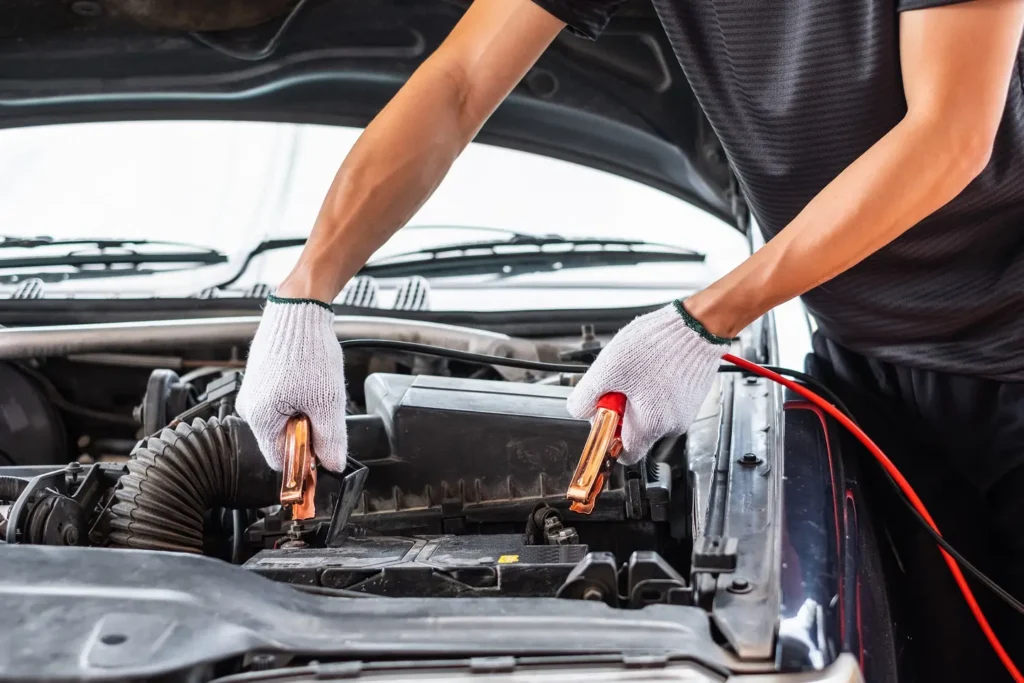
Cold weather doesn’t just weaken your battery — it also makes it lose charge faster. That’s why keeping your truck battery fully charged is key to preventing problems in winter.
If you don’t drive your truck every day, a smart trickle charger or battery maintainer can help. These tools slowly add power to the battery and keep it from dying overnight. Just plug them in when your truck is parked, and they’ll do the rest.
Another smart move is to avoid very short trips. When you start the engine, the alternator needs time to charge the battery again. If your trip is too short, your battery may not get fully recharged — and this can lead to problems over time.
Also, don’t turn on your heater, radio, or headlights right away when starting the truck. These accessories pull power from the battery at the worst time — before the engine is even running. Wait until the engine is on before using them.
To make winter mornings easier, you can also use a remote start system. This lets your truck warm up while you stay inside. It gives your engine and battery time to adjust to the cold without putting extra stress on the system.
Taking care of your battery is important, but it’s only part of the picture. Your engine and fuel system also need some winter care to keep your truck running smoothly.
First, use lighter winter-grade oil. In cold weather, regular oil becomes thick and slow. This makes your engine harder to start and puts extra load on the battery. A thinner oil flows better and helps the engine turn over more easily.
Before winter begins, always check the engine oil viscosity. The numbers on the oil label (like 5W-30) tell you how well it performs in cold and hot weather. Ask your mechanic to recommend the best oil for your area’s temperature.
Also, make sure to keep your fuel tank at least half full during the cold months. Why? Because cold air can cause water to form inside an empty tank.
This water can freeze in the fuel lines and block fuel from reaching your engine. Keeping the tank full helps stop this problem.
If you drive a diesel truck, don’t forget the glow plugs. These little heaters warm up the engine cylinders before starting.
If your glow plugs are old or not working right, your truck may not start in cold weather at all. It’s a good idea to get them checked before winter arrives.
Your truck battery might be working just fine, but if your tires can’t grip the road, you’re still stuck. That’s why checking your tire pressure is just as important in winter as charging your battery.
Cold air causes the air inside your tires to shrink. This means your tires lose pressure — sometimes without you even noticing. Driving with underinflated tires is risky. It reduces control, increases wear, and makes it harder to stop on icy roads.
Low tire pressure also means less traction, especially on snow or ice. That’s a dangerous combo when you’re on the highway or stuck in a parking lot during a snowstorm.
So, make it a habit to check your tire pressure at least once a week when it’s cold. Add it to your winter truck prep checklist.
Even if you do everything right, there’s always a chance your tires will start spinning on ice or get stuck in snow. That’s where traction aids come in.
Many drivers use tire chains or traction boards, but these aren’t always easy to use, especially in deep snow or mud.
Instead, we recommend keeping TruckClaws in your truck. They’re a versatile and powerful traction aid made for real-life problems — not just light-duty off-roading.
TruckClaws work with both pickup trucks and heavy-duty trucks, and they’re easy to attach when your tires start spinning.
Whether you’re stuck in snow, mud, or ice, they can help your tires grab the ground and pull you out safely.
If your battery is strong but your tires are spinning and you can’t move, TruckClaws can save the day — no need to call a tow truck or wait in the cold.
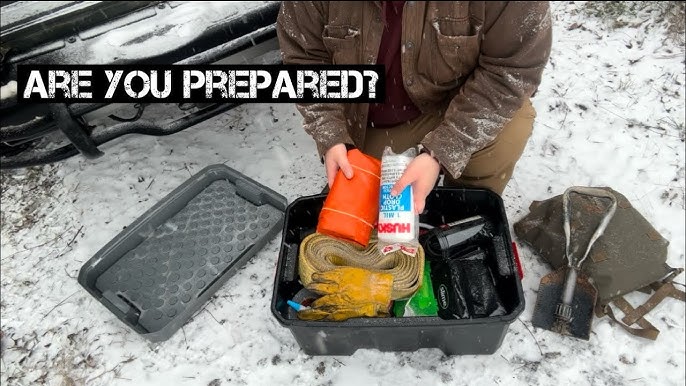
Even with good planning, winter can be unpredictable. That’s why every trucker should carry a basic emergency winter kit.
It can make a huge difference if your battery dies, your tires spin, or you’re stuck on the roadside in freezing weather.
Here’s what you should keep in your truck during the winter season:
Tip: Keep these items stored in one spot inside your truck so you can reach them fast when needed.
This simple toolkit helps you stay prepared for most winter problems — from a dead battery to being stuck in snow.
Before winter hits hard, make sure your truck is ready with this simple checklist. It covers all the key steps to keep your truck starting strong and driving safe in cold weather.
A: Yes, if you live in a cold area, a block heater is very helpful — especially for diesel engines. Diesel fuel thickens in low temperatures, and the engine is harder to start. A block heater warms the engine coolant, making it easier to crank and reducing strain on your battery.
A: Cold slows down the chemical reaction inside your truck battery, reducing its power. If the battery is old or weak, or if something is draining power (like interior lights or a faulty wire), it may die overnight. Use a trickle charger to keep it charged if your truck sits unused.
A: Yes, a trickle charger is better for long-term battery health. It keeps your battery charged slowly and safely. Jump starting should only be used in emergencies — too many jumps can wear out your battery faster.
A: Yes. Tools like a battery blanket, block heater, or even an old-fashioned trouble light under the hood can keep your battery warm. Parking close to buildings or shielding the truck from wind also helps.
A: For bigger vehicles, TruckClaws are a more powerful and reliable option. They attach directly to your tires and work great on snow, mud, or ice — making them ideal for pickup trucks and commercial trucks. Unlike plastic traction boards, TruckClaws are built for real truck recovery.
Winter can be tough on your truck, but a little planning goes a long way. Start by checking your battery health, keeping it warm with the right tools, and using a trickle charger to maintain a full charge.
Cold weather also means lower tire pressure and slippery roads, so don’t forget about traction — it’s just as important as a strong battery.
Low tire pressure also means less traction, especially on snow or ice, which can make it harder to drive safely on slippery winter roads.
Many truck problems in winter come down to these two things: a dead battery or tires that can’t grip.
While it’s common to prepare for starting issues, a lack of traction can leave you stuck even with a healthy engine.
That’s why every trucker should carry TruckClaws in their winter kit. They give your tires the grip they need when nothing else works — whether you’re on snow, ice, or mud. It’s a simple, fast way to get moving again without waiting for help.
Don’t wait for the cold to hit — prep now and stay in control no matter the conditions.