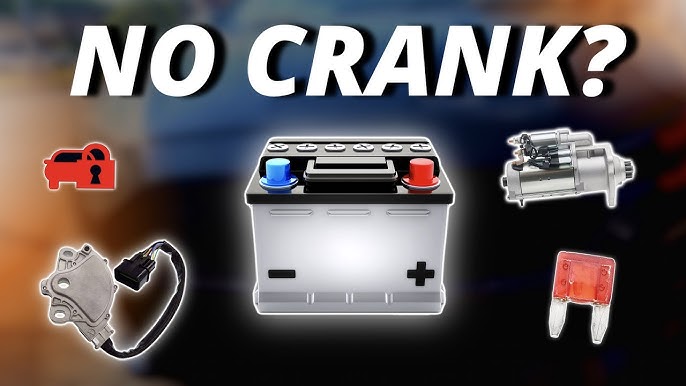
It’s frustrating when you turn the key, and your truck won’t start, even though the battery and starter motor are working fine.
You might expect the engine to roar to life, but instead, nothing happens, or maybe you hear clicking or cranking, but the engine refuses to run.
If your battery has power and your starter is functioning, other truck parts might be causing the problem.
Issues with fuel delivery, ignition, fuses, or sensors can prevent your truck from starting, even if the electrical system seems fine.
In this guide, we’ll walk you through step by step troubleshooting to find out why your truck won’t start.
By checking different components one by one, you can figure out what’s wrong and get back on the road.
Understanding the Starting System
Before diagnosing the issue, it’s important to understand how a truck starts. Several systems work together to get the engine running.
If even one of them fails, the truck won’t start, even if the battery and starter motor are fine.
1. Battery Voltage & Power Flow
A truck’s electrical system depends on a strong battery voltage. Even if the battery terminals are connected, the battery might not be delivering enough power. Here’s what to check:
The battery should have at least 12.6V when fully charged.
Corroded battery terminals can block power flow. Cleaning them ensures a strong connection.
A weak grounding wire can prevent the truck from starting.
2. Starter Motor & Solenoid
The starter motor and starter solenoid work together to crank the engine. The solenoid gets power when you turn the key, activating the starter motor to spin the engine.
If the solenoid or motor is faulty, the truck won’t crank. Signs of a problem include:
A clicking sound but no cranking.
No sound at all, which could mean the starter solenoid isn’t receiving power.
Loose or blown fuses in the starter circuit.
3. Ignition System
The ignition system sends signals to start the engine. If any part of this system fails, the truck won’t start. Key components include:
The ignition switch, which sends power to the starter solenoid.
The ECU (Engine Control Unit), which manages ignition timing.
Fuses and relays, which allow power to flow through the system.
4. Fuel & Air Delivery
Even if the electrical system is working, the engine needs fuel and air to start. Common issues include:
A faulty fuel pump, preventing fuel from reaching the engine.
Clogged fuel injectors, blocking fuel flow.
A blocked air intake system, preventing oxygen from mixing with fuel for combustion.
A problem in any of these areas could be why your truck won’t start but the battery and starter are good. In the next section, we’ll go step by step to diagnose and fix the issue.
Common Causes and Troubleshooting Steps
Even if your battery and starter motor are working fine, other issues can still prevent your truck from starting. Below, we’ll go through possible causes and how to troubleshoot them step by step.
A. Electrical System Issues
1. Blown Fuse or Bad Relay
A blown fuse in the starter circuit can cut power to the starter solenoid or ignition switch.
A bad relay, like the starter relay or ignition relay, can prevent power from reaching the starter motor.
How to Check: Open the fuse box, look for burned out fuses, and replace them if necessary. You can also swap the starter relay with a similar one to test it.
2. Corroded or Loose Battery Terminals
Corrosion on battery terminals can block power flow, making the truck seem like it has no power.
Loose or dirty grounding wires can also cause weak electrical connections.
How to Fix:
Disconnect the battery terminals and clean them with a wire brush and baking soda solution.
Tighten all connections and check the grounding wire for damage.
3. Bad Ignition Switch
The ignition switch sends power to the starter solenoid and other systems. If it’s faulty, the truck won’t crank.
Symptoms:
No response when turning the key.
Accessories (radio, lights) don’t turn on.
How to Test:
Use a multimeter to check for voltage at the ignition switch.
Try bypassing the switch with a jumper wire to see if the truck cranks.
4. Faulty Engine Control Unit (ECU)
The ECU controls many starting functions. If it malfunctions, the truck may not get the correct signals to start.
If your truck isn’t recognizing the correct gear or mode, it might not start or move as expected.
How to Check:
Shift the truck into Neutral and try starting it.
If it starts, the neutral safety switch may be faulty and need replacement.
2. Anti-Theft System Preventing Start
Some trucks have an anti-theft system that can disable the ignition.
Symptoms:
Security light flashing on the dashboard.
Engine cranks but doesn’t fire.
How to Fix:
Try using a backup key.
If the system is stuck, reset it by locking/unlocking the truck with the key fob.
3. Push Start Key Fob Issues (For Modern Trucks)
If your truck uses a push button start, a dead key fob battery can prevent it from starting.
How to Fix:
Try using a spare key fob.
Hold the key fob near the push start button and press it, many trucks have an emergency start feature.
By following these troubleshooting steps, you can figure out why your truck won’t start but the battery and starter are good. In the next section, we’ll go over quick fixes and when to call a mechanic.
How to Diagnose the Issue Quickly
If your truck won’t start but the battery and starter are good, you can quickly narrow down the problem by following these simple steps:
1. Check Dashboard Warning Lights
Turn the key to the ON position and look at the dashboard lights.
Pay attention to these warning lights:
Check Engine Light, Could indicate a problem with the ECU, fuel system, or sensors.
Security Light, If flashing, the anti-theft system may be preventing the truck from starting.
Battery Light, Even with a good battery, a bad alternator could cause starting issues.
2. Listen for the Fuel Pump Sound
When you turn the key to ON (without starting), listen for a quiet humming sound from the fuel pump.
If you don’t hear it, the fuel pump could be faulty or the fuel pump relay might have failed.
3. Use an OBD II Scanner
Plug in an OBD II scanner and check for error codes.
Common codes that could indicate a starting issue:
P0230-P0233, Fuel pump relay or circuit issues.
P1682, Ignition switch fault.
P0335-P0339, Crankshaft position sensor failure.
These codes can help pinpoint whether the issue is electrical, fuel related, or sensor failure.
4. Try Jump Starting the Truck
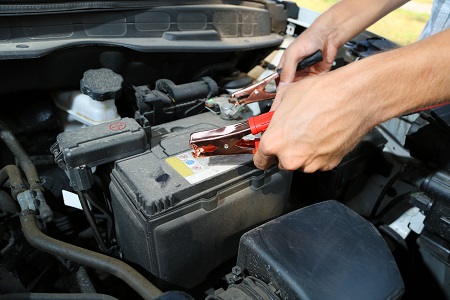
Even if the battery seems fine, a voltage drop can still cause starting problems.
Jump starting the truck can help rule out a weak battery or poor battery terminal connections.
5. Test Relays and Fuses
Locate the starter relay, fuel pump relay, and related fuses in the fuse box.
Swap them with known working relays of the same type.
If the truck starts, the problem was a bad relay or blown fuse.
6. Attempt a Push Start (Manual Trucks)
If you drive a manual truck, attempting a push start can sometimes help bypass electrical issues and get the engine running.
However, if you’re stuck on snow, ice, or mud, even a push start might not be enough.
In such cases, having a traction aid like the TruckClaws™ II Light Truck Kit can provide the necessary grip to get moving again, especially if your wheels are slipping instead of catching traction.
Steps to Push Start:
If your truck has a manual transmission, try a push start:
Put the truck in 2nd gear.
Hold the clutch down and get someone to push the truck.
Once rolling, release the clutch while turning the key to start.
If it starts, the issue may be with the starter relay, ignition switch, or a weak battery.
By following these steps, you can quickly diagnose the reason why your truck isn’t starting and decide if you can fix it yourself or need a mechanic.
Preventative Maintenance Tips
To avoid future issues where your truck won’t start despite a good battery and starter, follow these simple maintenance steps:
Worn out spark plugs or faulty ignition coils can cause misfires, rough idling, and difficulty starting.
Replace spark plugs every 30,000-50,000 miles (or as recommended by the manufacturer).
4. Keep an OBD II Scanner for Quick Diagnostics
A portable OBD II scanner can quickly check for trouble codes before issues become serious.
It helps diagnose problems with the ignition system, fuel pump, or sensors.
5. Watch for Early Warning Signs
Slow cranking, Could indicate a weak battery, bad alternator, or poor grounding.
Dimming lights, Electrical issues may affect the starting system.
Rough idling or stalling, Might signal fuel delivery problems or ignition failure.
Regular maintenance helps prevent unexpected breakdowns, but even a well maintained truck can face traction challenges in tough conditions.
For those driving heavy duty commercial trucks, keeping a reliable traction aid like the TruckClaws™ Commercial Super Single Kit in your emergency gear ensures you’re ready for any situation where your truck needs extra grip to stay moving.
By following these maintenance tips, you can prevent sudden starting issues and keep your truck running smoothly.
When to Call a Mechanic
Sometimes, even after going through all the troubleshooting steps, your truck still won’t start. In such cases, it might be time to seek professional help. Here’s when you should call a mechanic:
1. If DIY Troubleshooting Fails
You’ve checked the battery, starter, ignition system, fuel pump, relays, and sensors, but the truck still won’t start.
No clear error codes show up on the OBD II scanner.
You’ve tested multiple fixes, but nothing seems to work.
2. Serious ECU or Electrical Issues
A failing Engine Control Unit (ECU) can cause miscommunication between components, preventing the truck from starting.
Complex wiring problems, like a short circuit, blown fuses, or a bad relay, require specialized tools to diagnose.
Issues with the anti-theft system that prevent the truck from starting.
3. Internal Engine Damage
Compression loss due to worn piston rings, head gasket failure, or valve issues.
Timing chain or belt failure can throw off engine timing, stopping the truck from starting.
Signs like strange noises, backfiring, or excessive smoke may indicate serious engine problems.
4. DIY vs. Professional Repair: Cost Comparison
Problem
DIY Cost
Mechanic Cost
Battery Terminal Cleaning
$5 (Wire Brush)
$50, $100
Replacing Spark Plugs
$20, $100
$150, $300
Changing Fuel Filter
$20, $80
$100, $250
Ignition Coil Replacement
$50: $300
$200: $500
Fuel Pump Replacement
$100: $400
$500: $1,500
ECU Repair/Replacement
$200, $800
$500, $2,000
If the repair is simple (like cleaning terminals or replacing spark plugs), DIY is cost effective. However, complex issues like ECU failure, compression problems, or engine damage should be handled by a mechanic to avoid bigger repairs later.
Conclusion
When your truck won’t start but the battery and starter are good, the problem likely lies in other critical components like the ignition system, fuel delivery, air intake, or electrical connections.
The most common causes include:
Blown fuses or bad relays disrupting the power flow.
A faulty ignition switch preventing the starter from engaging.
A bad fuel pump or clogged fuel filter stopping fuel from reaching the engine.
Blocked air intake or bad spark plugs preventing combustion.
Security system malfunctions disabling the ignition.
Rather than guessing, it’s important to follow a step by step troubleshooting approach: checking for warning lights, listening for fuel pump noise, scanning for error codes, and testing relays to pinpoint the issue.
To prevent future problems, keep up with commercial vehicle maintenance like cleaning battery terminals, replacing fuel filters, checking spark plugs, and using an OBD II scanner for early detection of faults.
If DIY troubleshooting doesn’t solve the problem, or if you suspect serious electrical or engine damage, consult a professional mechanic for proper diagnostics and repair.
Manage Consent
We use cookies to optimize our website and our service.
Functional cookies
Always active
The technical storage or access is strictly necessary for the legitimate purpose of enabling the use of a specific service explicitly requested by the subscriber or user, or for the sole purpose of carrying out the transmission of a communication over an electronic communications network.
Preferences
The technical storage or access is necessary for the legitimate purpose of storing preferences that are not requested by the subscriber or user.
Statistics
The technical storage or access that is used exclusively for statistical purposes.The technical storage or access that is used exclusively for anonymous statistical purposes. Without a subpoena, voluntary compliance on the part of your Internet Service Provider, or additional records from a third party, information stored or retrieved for this purpose alone cannot usually be used to identify you.
Marketing
The technical storage or access is required to create user profiles to send advertising, or to track the user on a website or across several websites for similar marketing purposes.