
When winter hits hard, commercial truck drivers must do more than just slow down. Across the U.S. winter driving laws change from one state to another.
What’s legal in Oregon might get you fined in California. Some states require snow chains between certain months, while others ask you to carry them all winter, even if the road looks clear.
If you don’t follow these rules, the consequences can be costly. From road closures and delays to fines up to $1,000, breaking a winter law can hurt your time, safety, and wallet.
Worse, not being prepared during a storm can lead to dangerous accidents, especially on mountain passes like I-70 in Colorado.
That’s why it’s smart to carry traction aids that help when you’re stuck in snow or ice. Traditional chains work, but many drivers also keep fast deploy tools like TruckClaws in their emergency kit.
Whether you’re climbing slippery roads or parked on icy shoulders, these tools can get you moving again, without wasting time or effort.
Winter trucking laws change from state to state because weather conditions, terrain, and road types are different across the country.
What works on flat roads in the Midwest may not be enough for steep mountain highways in Colorado or Oregon.
Each state sets its own rules under DOT winter truck regulations, and those rules are based on local climate and traffic safety data.
For example, mountain states with heavy snowfall often enforce CDL winter driving rules more strictly.
Some places might only recommend snow chains, while others require them during certain months or on specific routes.
Many states use chain control zones where truckers must follow posted signs. If a sign says “chains required,” it means you must install chains or equivalent traction devices before moving forward. These zones help reduce accidents on icy or steep roads, especially for trucks carrying heavy loads.
Many states require tire chains or traction devices when roads are covered in snow or ice. But the rules vary depending on the location and time of year.
For example, in Colorado, all commercial vehicles must carry chains on I-70 between September 1 and May 31. In California, the R1 and R2 levels tell drivers when chains are needed. Under R2, trucks must chain up unless they have snow tires and are under a certain weight.
Washington State requires truckers to carry chains between November 1 and April 1, especially when crossing mountain passes. Oregon has similar rules and often requires six chains to be carried.
But full chains aren’t always the only option. In situations where you’re stuck on a roadside or parking area, TruckClaws offer a faster, simpler solution.
These emergency traction aids attach quickly and help your tires grip slippery surfaces like snow, mud, or ice, without needing to crawl under the truck in freezing weather.
Unlike bulky traction mats or heavy traditional chains, TruckClaws are lightweight, easy to store, and can be deployed in minutes.
They’re a smart backup in any winter emergency truck kit, especially when traction is needed fast and you’re not in a chain zone.
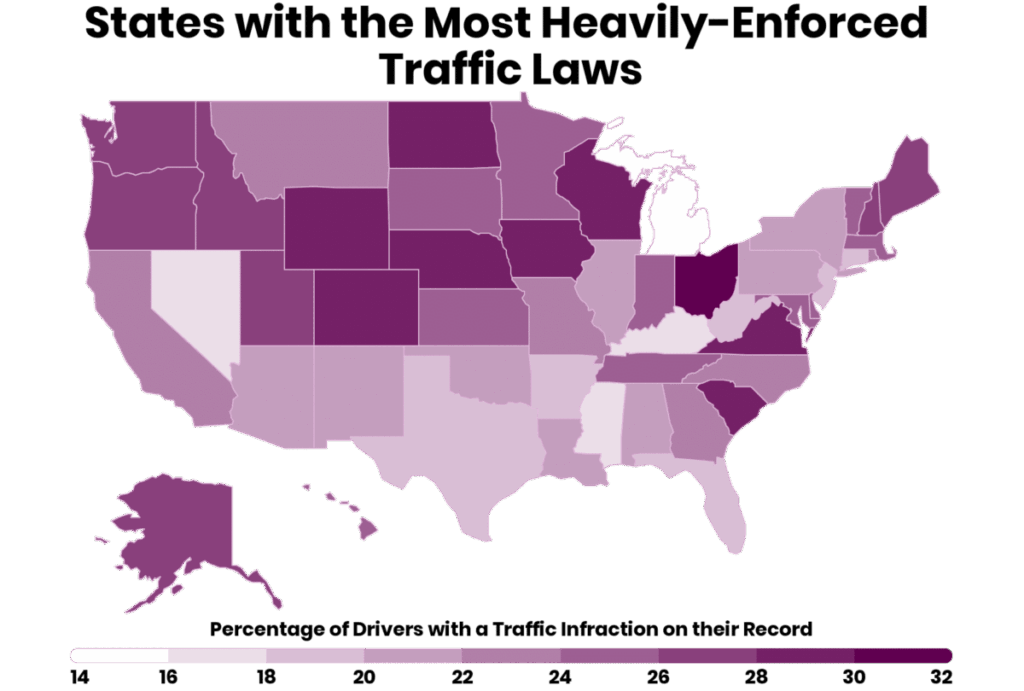
Some states don’t take winter violations lightly. If you drive through Colorado, Wyoming, or California without following their winter truck laws, you could face serious fines and even road bans.
In Colorado, if you don’t carry chains on I-70 during the chain law season (September 1 to May 31), you could get fined $50 just for not having them. If you block the road because you weren’t chained up, that fine jumps to $500, $1,000, plus extra charges.
Wyoming uses a two level chain law system. If you ignore Level 2 chain laws, you might face penalties from $250 to $750, depending on the risk you cause to other drivers.
California has R1, R2, and R3 alerts, and not following them could lead to citations and delays, especially at chain checkpoints.
Many states don’t just require you to chain up when it’s snowy. They require you to carry tire chains or traction aids even when the roads are clear.
That’s why it’s smart to always keep tools like TruckClaws in your rig, ready for surprise weather or inspections. They’re easy to store and meet the need for emergency traction aids without the weight of full chains.
In many states, winter driving safety goes beyond chains and tires. Snow and ice removal laws are just as important, especially in places like New Hampshire, where you can be fined if your truck still has snow or ice on the roof or hood.
Why? Because falling snow chunks or flying ice slabs can injure other drivers, crack windshields, or cause serious accidents.
It’s not just about legal trouble. It’s about being responsible on the road. If ice flies off your trailer and hits a car, you’re liable.
States like Colorado, Oregon, and California have chain control zones where carrying the right tire traction devices for snow is not optional. It’s the law.
States like Pennsylvania and New Jersey also issue fines for failing to clear snow and ice properly.
That’s why every winter pre-trip inspection should include:
Skipping these steps could lead to penalties or breakdowns in harsh weather. It’s also smart to keep portable snow brushes, a scraper, and even emergency traction aids like TruckClaws in your kit, just in case the road gets too slick before your next stop.
Preparing for winter isn’t just about chains: it’s about tires, brakes, lighting, and having a winter ready rig. Knowing how to choose the best tires for your truck can drastically affect performance on ice and snow.
Not all tires are legal everywhere in winter. Studded tires, which have metal pins that dig into ice, are helpful in snow, but not every state allows them.
For example, Colorado, Oregon, and Washington permit them in winter months, but Florida and Illinois ban them completely due to road damage concerns. Some states only allow rubber studs or restrict usage to certain dates.
Besides legality, truckers must focus on tread depth and drive axle traction. A worn tire, even if it’s labeled “winter,” won’t help much on icy mountain passes or slushy roads.
Many states have minimum tread depth requirements, especially for steer tires and drive wheels.
If your truck runs on all weather or standard tires, it’s a good idea to carry TruckClaws. These traction recovery tools give your tires extra grip when you hit unexpected snowbanks, icy patches, or slippery gravel.
They’re not meant to replace chains where the law requires them, but they’re a perfect complement for traction support, especially when you’re outside official chain zones but still stuck.
Winter chain laws vary greatly by state: knowing these rules can save you from expensive fines, roadside delays, or even accidents. Here are some important highlights:
To avoid surprises, always check chain control areas before each trip. And even in places where full chains aren’t required, keeping TruckClaws on board can provide fast, reliable traction when stuck, especially helpful in emergency or in-between zones where traditional chains aren’t yet needed.

Modern tools can make it easier for truckers to follow winter rules, stay safe, and avoid costly mistakes.
When your route includes remote highways or mountain passes, your truck setup matters even more, especially if you’re driving a heavy off road truck built for extreme terrain.
Here are some essentials that support compliance and safety during cold weather routes:
CB radios are still trusted for quick updates from fellow drivers. Many truckers rely on them to learn about sudden weather changes, road closures, or chain checkpoints.
GPS apps like Trucker Path, Waze, or Drivewyze can alert you about:
ELDs help ensure you stay within DOT Hours of Service (HOS) limits. During winter delays, these are especially important, driving tired in snow or black ice increases the risk of accidents.
Many ELD systems also send real time alerts about road conditions, speed restrictions, or nearby rest stops, helping you plan smarter.
Some states offer their own apps or services:
These tools let you check chain laws, weather, and road restrictions before you drive into trouble.
When you’re stuck in snow, ice, or soft roadside mud, digging out heavy chains isn’t always quick or possible.
That’s where TruckClaws come in handy. These emergency traction aids are compact, quick to install, and give your tires the grip they need, without laying on the ground or clearing out space to wrap full chains.
In short, TruckClaws save time, effort, and stress during roadside emergencies, making them a smart addition to your winter kit.
Winter driving isn’t just about getting from point A to B: it’s about staying safe, legal, and ready for anything the road throws at you. Follow these simple best practices to avoid trouble:
Keep a printed or digital map of each state’s tire chain laws. Rules can change depending on the route, weather, or time of year. Apps or DOT websites often give real time updates on chain control zones.
Tip: Bookmark chain law pages for Colorado, California, Oregon, and Washington, these are some of the most regulated states.
Before hitting the road:
This pre-trip inspection is more than routine, it could prevent a breakdown in dangerous weather.
Never leave without a cold weather gear kit. Must haves include:
And importantly, always carry TruckClaws. These lightweight, fast to deploy traction aids are a reliable solution when your tires spin out on snow or ice.
Unlike bulky mats or hard to fit chains, TruckClaws can help you recover and move forward with minimal effort, especially when you’re in between stops or far from chain stations.
Winter laws for commercial truckers aren’t just rules: they’re there to protect lives, cargo, and road safety.
Snow, ice, and steep mountain passes make winter trucking one of the toughest challenges on the road.
If you’re a trucker driving across state lines, don’t assume the rules are the same everywhere. Some states require chains by law.
Others fine you for not clearing ice off your truck. And many post chain zones only when conditions get dangerous: so stay alert, not just for snow, but for signage and weather alerts too.
Before each trip, take a few minutes to check chain laws, prepare your truck, and stock up on safety gear.
And when it comes to traction recovery, don’t rely only on heavy mats or chains. Tools like TruckClaws offer a faster, lighter, and easier solution when you’re stuck, saving you time and stress.
In winter, being ready isn’t just smart. It’s your responsibility. Drive prepared, stay legal, and keep rolling safely, wherever the road takes you.