
Getting stuck in mud, sand, or snow can happen to any driver, whether you’re heading to work, exploring off road trails, or driving in winter storms. In these situations, having the right emergency traction aid is crucial.
That’s where TruckClaws™ come in. These clamp on steel claws provide powerful grip, helping vehicles get moving again safely and quickly.
Unlike mats or chains, TruckClaws™ dig directly into the terrain for fast recovery, making them a must have for truck drivers, fleet operators, and off road enthusiasts.
Knowing how to install TruckClaws™ correctly can save you time, prevent vehicle damage, and keep you safe on the road or trail.
Even a small mistake during installation can reduce their effectiveness or create hazards, so following the proper steps is key.
In this guide, you’ll learn a step by step TruckClaws™ installation process, including tips for AWD, RWD, and FWD vehicles, the best placement for optimal traction, and important safety considerations.
By the end, you’ll be ready to handle emergency recovery situations with confidence and keep your vehicle moving no matter the conditions.
Good tire traction can make the difference between getting stuck and driving safely in tough conditions.
Whether you are on snowy roads, muddy trails, or sandy paths, having the right vehicle recovery tools ensures your truck or SUV can keep moving.
Emergency traction aids like TruckClaws™ provide the grip you need when wheels spin and normal tires just won’t cut it.
Drivers usually need traction aids in situations like roadside emergencies, off road adventures, or during heavy snowstorms.
Even a short stretch of ice or mud can stop a vehicle in its tracks, so having portable tire traction devices ready can save time and prevent damage.
These tools are especially important for truck drivers, fleet operators, off road enthusiasts, and commercial vehicles.
For instance, a fleet truck carrying cargo can’t afford to stay stuck in snow or mud, and off roaders exploring trails need reliable traction to avoid dangerous situations.
Installing TruckClaws quickly can make the difference between being stranded or safely continuing your trip, especially with today’s stricter winter driving laws for commercial truckers.
By understanding the importance of proper traction, you’ll see why TruckClaws™ are a must have addition to any emergency vehicle recovery kit.
Every fleet should carry traction tools during winter, but knowing how to install them properly is just as critical as choosing the right tool.
Before you start installing TruckClaws™, safety is the most important step. Always stop your vehicle in a safe area, away from traffic or unstable ground. This prevents accidents while you work on the tires.
It’s a good idea to wear gloves to protect your hands and use safety cones if available. These small steps keep you safe while handling the emergency traction device.
Next, check the wheel well clearance. Make sure there is at least 2.5 inches (6.4 cm) between the tire and brake components. Proper clearance ensures the claws can attach correctly without hitting the brake calipers or other parts.
Taking these precautions ensures your portable tire traction devices, like TruckClaws™, will work effectively and safely when you need them most.
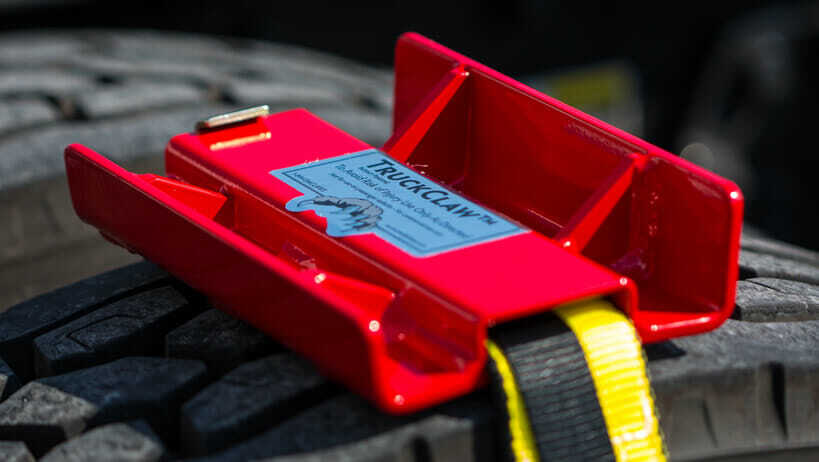
Once you’ve ensured safety, it’s time to prepare the tire for TruckClaws™. First, remove the claws from the carry bag and lay them out so you can work easily.
Next, identify rim holes that don’t have valve stems. This is important for securing TruckClaws to tires safely without interfering with the air valves.
Now, center the claws across the tire width, making sure they point in the direction of travel. Proper alignment ensures that the claws dig into the terrain effectively, providing strong grip when you start moving.
Following these steps sets you up for a smooth installation and ensures your vehicle traction device works correctly in emergency recovery situations.
Now it’s time to attach the ratchet strap to the tire. Pass the strap through the rim hole, making sure it doesn’t go over or near the valve stem.
Next, pull the strap snug and tighten carefully using the ratchet. This step is crucial for a quick tire traction installation and ensures the emergency traction aid works properly when you need it most.
Tip: If your rim holes are small, you can curl the strap slightly to make it fit without damaging the strap or rim.
Once secured, check that the claws are firmly attached and aligned correctly. This guarantees that TruckClaws™ will provide maximum grip in mud, snow, or sand.
Depending on how stuck your vehicle is, you can use one or two TruckClaws™ kits.
Proper placement is key for TruckClaws installation positions for optimal traction and ensures your setup works as an effective recovery solution for vehicles stuck in mud, sand, or snow.
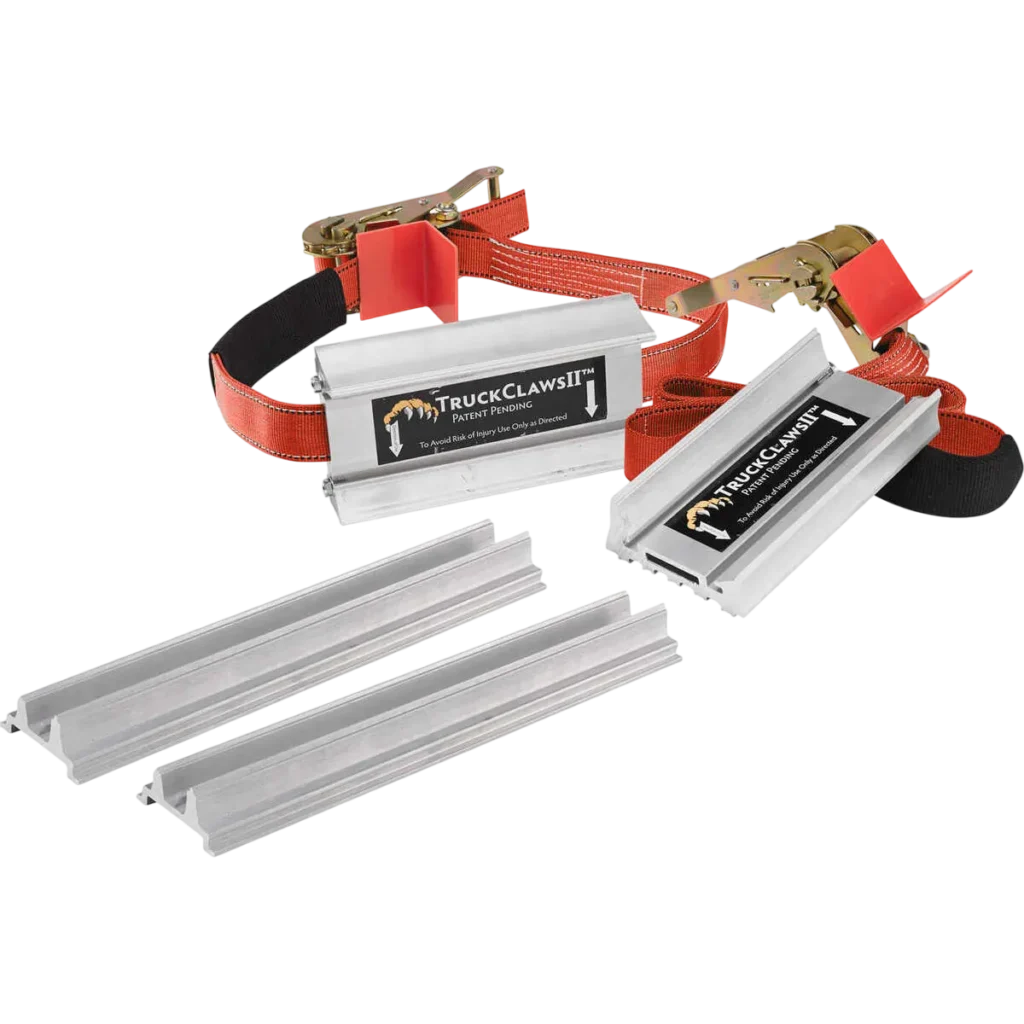
In extreme conditions like deep mud or loose sand, you can use the extension bar accessory to improve traction.
This optional tool helps the claws dig deeper, giving your vehicle more grip and making recovery easier.
To use it, attach the extension bar to the TruckClaws™ following the manufacturer’s instructions, then secure the claws as usual.
This small addition can make a big difference in heavy duty vehicle traction aids, especially for trucks, commercial vehicles, or off road setups.
Using the extension bar correctly ensures your TruckClaws™ provide the maximum grip and help you get out of tricky situations faster.
After installing TruckClaws™, it’s important to drive slowly so the claws can dig into mud, snow, or sand and provide effective grip. Avoid sudden acceleration or sharp turns, as this can reduce traction or damage the claws.
Take a moment to test the installation, making sure the claws are holding properly and your vehicle steers safely. This step ensures a smooth tire recovery and confirms that your emergency vehicle recovery setup is ready for the situation.
Remember, slow acceleration for traction is key, let the claws do the work rather than forcing the vehicle forward. Proper testing keeps you safe and prevents unnecessary wear on your TruckClaws™.
Once your vehicle is safely recovered, remove the TruckClaws™ immediately. Leaving them on can damage the tires or the claws themselves.
After removal, inspect the claws and straps for any signs of wear or damage. Make sure everything is in good condition before storing. Place the claws back in the carry bag so they are ready for the next use.
Proper handling and storage ensure your portable tire traction devices remain effective and reliable. This is especially important for commercial truck recovery tools, where quick and safe reuse can make a big difference during emergencies.
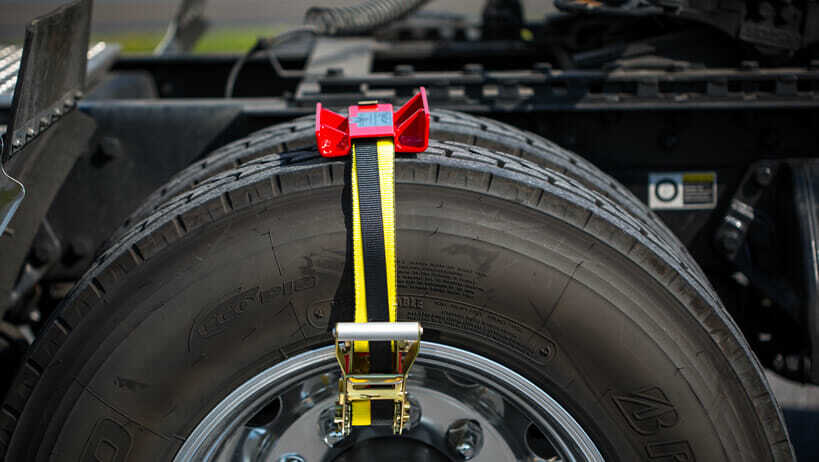
To get the most out of your TruckClaws™, follow these tips:
These practices are especially important for fleet operators, truck drivers, and off road enthusiasts, ensuring safety, efficiency, and reliable emergency traction device performance whenever it’s needed.
While TruckClaws™ are powerful emergency traction aids, it’s useful to know other traction tools for different situations.
Alternatives include traction mats, tow straps, and winches, which can complement your recovery kit.
These tools are often needed during off road recovery, winter storms, or roadside emergencies.
However, when it comes to emergency traction power, TruckClaws™ stand out for quickly getting vehicles out of mud, sand, or deep snow.
TruckClaws install in minutes, offering faster recovery than many snow chain alternatives that require more time and space to set up.
Choosing the right traction device depends on the challenge you face. Snow chains are designed for sustained winter driving on icy highways, while traction mats work best for light recovery in shallow mud, sand, or snow.
But when you’re stuck deep and need immediate power, TruckClaws™ provide unmatched emergency traction aid for trucks, SUVs, and commercial vehicles.
Being prepared with the right tools is more than convenience. It’s about safety. Whether you’re a truck driver, off road enthusiast, or managing a fleet of vehicles, having TruckClaws™ in your roadside emergency kit can save time, prevent damage, and get you moving again when conditions turn tough.
When the road gets slippery or the trail unpredictable, TruckClaws™ can be the difference between being stranded and getting back on track.
A single kit works for light recovery, but many drivers prefer two kits for stronger grip. With two kits, you can install claws on both drive wheels, giving better traction in mud, sand, or snow recovery.
Yes. They work on SUVs, pickups, commercial trucks, and even fleet vehicles. Just make sure your wheels have enough clearance (at least 2.5 inches / 6.4 cm) and open rim holes for the straps.
Always install away from the tire’s valve stem and double check clearance near the brake calipers. Tighten the ratchet strap snugly but do not overtighten.
TruckClaws™ are designed as an emergency traction device, not for continuous driving on icy highways. For long winter trips, snow chains may be better. Use TruckClaws™ to get unstuck, then remove them right away.
After use, clean the claws and straps, check for wear, and keep them in the carry bag. Proper storage ensures these portable tire traction devices are ready whenever you need them.