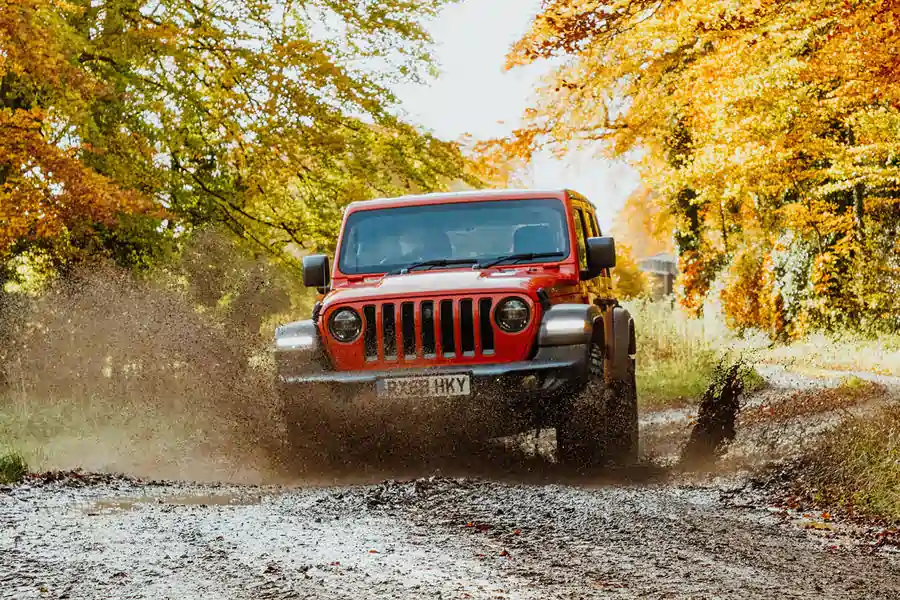
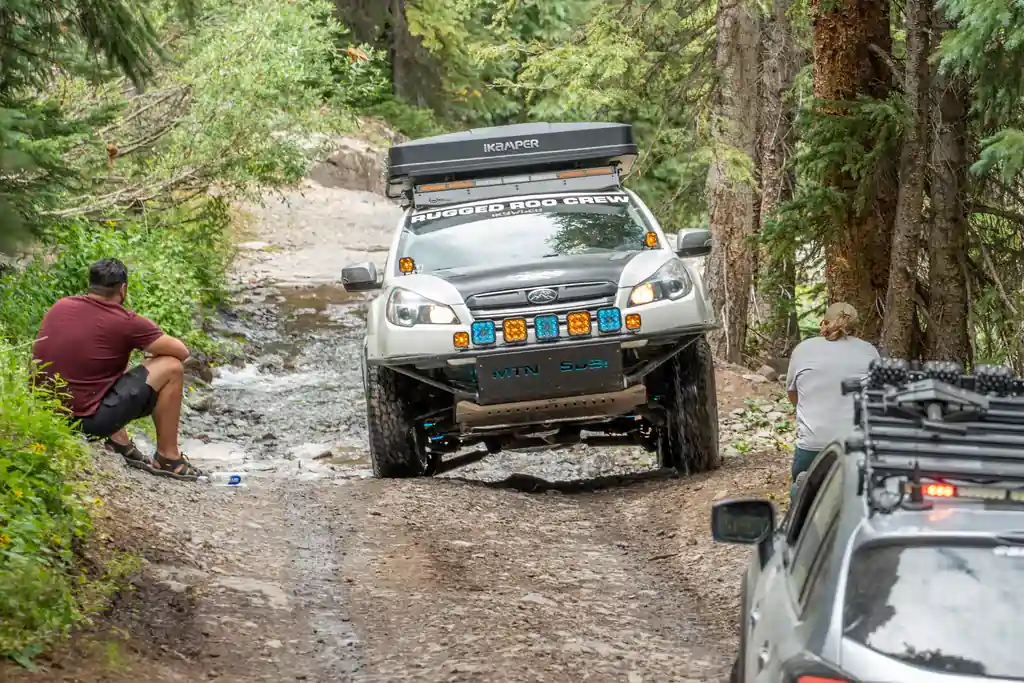
Off road driving is an exciting way to explore the outdoors, offering access to places that regular roads can’t take you.
Whether you’re navigating mud, sand, rocky trails, or snow, each terrain presents unique challenges that require skill and preparation.
As off roading becomes more popular, more drivers are investing in 4×4 vehicles and learning the best techniques to stay safe.
However, off road driving isn’t just about having a powerful vehicle: it’s about knowing how to control it, prepare for different conditions, and handle recovery situations when things don’t go as planned.
This guide will help both beginners and experienced off roaders improve their skills. You’ll learn essential driving techniques, safety measures, and must have recovery gear to confidently tackle any terrain.
Whether you’re planning your first off road trip or looking to refine your expertise, this guide will give you tips on off road driving.
Both 4WD and AWD provide power to all four wheels, improving traction on slippery or rough terrain. However, they work differently and are designed for different purposes:
4WD (Four Wheel Drive): Found in most dedicated off road vehicles like the Jeep Wrangler, Toyota Tacoma, and Ford Bronco, this system can be manually switched between 2WD and 4WD modes. It provides better control in extreme conditions such as deep mud, rocky trails, and steep inclines.
AWD (All Wheel Drive): Typically found in crossover SUVs, AWD automatically adjusts power distribution between the front and rear wheels based on road conditions. While useful in light off roading and snowy or wet roads, it lacks the rugged capabilities of a true 4WD system.
When to Use 4WD High vs. 4WD Low
Most 4×4 vehicles offer two off road driving modes:
4WD High (4H): Best for driving on slippery mud, gravel roads, sand, and snow, where extra traction is needed at higher speeds. This mode helps maintain stability without sacrificing too much power.
4WD Low (4L): Ideal for rock crawling, deep mud, and steep inclines, where slow, controlled power is necessary. This mode provides maximum torque for difficult obstacles but should not be used at high speeds.
Understanding how to engage 4WD High and 4WD Low can make a huge difference in how well your vehicle handles tough terrain.
Proper use of these settings prevents unnecessary strain on your drivetrain while keeping you in control on challenging trails.
Essential Off Road Vehicle Driving Tips
Having the right vehicle features can make off road driving safer and smoother. While any 4×4 vehicle can handle rough terrain, certain upgrades and technologies can significantly improve traction, stability, and control.
Locking Differentials: How They Improve Traction
A locking differential is one of the most important features for off roading, especially in mud, snow, and rocky trails.
Normally, when one wheel loses grip, the power is sent to the wheel with the least resistance, which can cause spinning without movement.
A locking differential forces both wheels on an axle to spin at the same speed, ensuring power is delivered to the wheel with the most traction.
There are three types:
Automatic Locking Differential, Engages when traction is lost.
Selectable Locking Differential, Manually controlled by the driver.
Limited Slip Differential, Allows some wheel speed difference but improves grip.
Locking differentials are especially useful in rock crawling and deep mud, where traction is key.
Off Road Suspension & Shock Absorbers: Why They Matter
A proper off road suspension system helps the vehicle absorb rough bumps and maintain stability on uneven terrain.
Heavy duty shock absorbers are designed to handle impacts from rocks, potholes, and dips without causing discomfort or losing control.
Independent Suspension: Offers a smoother ride by allowing each wheel to move separately.
Solid Axle Suspension: Better for extreme off road conditions, providing more durability and stability.
Upgraded Shocks: Gas charged or remote reservoir shocks help prevent overheating and improve performance on rough trails.
Without a proper suspension system, your vehicle may struggle on rocky trails and steep inclines, making the ride uncomfortable and unsafe.
Tire Pressure Management: How Lowering Pressure Helps in Sand & Mud
One of the easiest ways to improve off road traction is adjusting tire pressure based on the terrain. Lowering tire pressure allows more surface contact, which helps in sand, mud, and snow.
Sand & Mud: Reducing pressure to 12-18 PSI prevents the tires from digging in and getting stuck.
Rocky Trails: Lowering pressure to 18-25 PSI provides better grip and shock absorption.
Gravel Roads: A slight reduction in pressure improves comfort and stability.
However, after off roading, it’s important to reinflate your tires to the recommended PSI before driving on regular roads to avoid damage. Always choose tires that can best endure varying tire pressures for safety and longevity.
By understanding and using these essential vehicle features, you can handle off road challenges more confidently while keeping your 4×4 vehicle in top shape.
Tips to Master Off Road Driving Techniques
Off road driving is more than just having the right vehicle. It’s about knowing how to handle different terrains safely and efficiently.
Every surface presents unique challenges, so adjusting your driving technique is key to avoiding getting stuck, damaging your vehicle, or losing control.
Terrain Specific Off Road Driving Tips
Mud Driving: Keep Momentum & Steer Smoothly
Driving through mud requires a balance between speed and control. Too slow, and you may sink; too fast, and you might lose traction.
Use 4WD High to maintain power to all wheels.
Keep a steady momentum, don’t stop unless necessary.
Avoid sudden acceleration to prevent wheel spin.
Turn the steering wheel gently to avoid digging into soft mud.
If stuck, try rocking the vehicle forward and backward.
Sand Driving: Steady Speed & Lower Tire Pressure
Driving in sand, whether on dunes or beaches, can be tricky. The key is to “float” on the surface instead of sinking.
Reduce tire pressure to 12-18 PSI for better traction.
Engage 4WD High for continuous power distribution.
Maintain a steady speed to avoid bogging down.
Avoid sharp turns, as they can cause the tires to dig in.
If stuck, use traction boards or dig out the tires before accelerating.
Rock Crawling Basics: Slow & Steady Wins
Rocky trails require precision and patience. Unlike mud and sand, slow movement is key.
Use 4WD Low for better torque and control.
Approach obstacles at an angle to keep as many wheels on the ground as possible.
Use traction control to prevent wheel spin.
Go slow and plan your route carefully, one wrong move can cause damage.
Use a spotter if navigating large rocks or tricky inclines.
Water Crossings: Assess Depth & Drive Slowly
Crossing water can be dangerous if not done properly. Always assess the depth and strength of the current before attempting.
Check for hidden obstacles like rocks, holes, or sudden drops.
Engage 4WD Low and move at a steady, slow pace.
Create a small wake in front of your vehicle to prevent water from entering the engine bay.
Never cross deep water unless you have a snorkel installed.
If water enters your exhaust or air intake, it can damage the engine, turn off the vehicle immediately if this happens.
Off Road Driving Mistakes to Avoid
Even experienced off roaders can make mistakes that lead to getting stuck, vehicle damage, or accidents. Avoid these common errors:
Over relying on traction control, Sometimes, manual control is better for handling rough terrain.
Using excessive speed in tricky terrains, Fast driving reduces control and increases the risk of accidents.
Ignoring tire pressure adjustments, Not lowering or raising tire pressure can make terrain harder to navigate.
Failing to prepare for emergencies, Always carry recovery gear, extra fuel, and a first aid kit.
By mastering these off road driving techniques, you can tackle any terrain with confidence while keeping yourself and your vehicle safe.
Essential Off Road Recovery Gear & Techniques
Even the most skilled off road drivers can get stuck at some point. That’s why having the right recovery gear and knowing how to use it properly is crucial.
Whether you’re driving through deep mud, sand, or rocky trails, being prepared can save you time, effort, and potential vehicle damage.
Must Have Recovery Gear
High Lift Jack: When and How to Use It
A high lift jack is an essential tool for lifting your vehicle in extreme off road conditions. It can help in changing a flat tire, lifting the vehicle for repairs, or even winching out of deep mud.
Use on a solid, stable surface, avoid soft ground.
Attach to a strong jack point on the vehicle’s frame.
Raise the vehicle slowly while keeping hands and feet clear.
Always use jack stands if working under the vehicle.
Winches & Tow Straps: Proper Recovery Techniques
A winch is one of the most effective recovery tools for pulling your vehicle out of tough spots. However, it requires safe handling to avoid accidents.
Use a tree saver strap when attaching the winch to a tree.
Keep a safe distance from the winch cable while in use.
Engage the winch slowly, sudden pulls can cause damage.
Never wrap a tow strap around a bumper or axle, use dedicated recovery points.
Tow straps are another important recovery tool, but they must be used correctly:
Attach to recovery points, not the hitch ball (which can snap and become a dangerous projectile).
Use a dampener (a heavy blanket or jacket) over the strap to reduce snapback force.
Communicate clearly with the driver pulling you out.
Maxtrax & TruckClaws: Effective Traction Aids for Recovery
When your vehicle loses traction in mud, sand, or snow, using the right traction aid can make recovery much easier.
Maxtrax Recovery Boards
Maxtrax recovery boards are lightweight and designed to provide grip when tires spin on soft surfaces.
Dig around the stuck tires to make space for the boards.
Place the boards under the tires, ensuring good contact.
Engage 4WD and accelerate gently, spinning the tires too fast can damage the boards.
Once free, recover the boards and store them for the next use.
TruckClaws: Instant Tire Traction Solution
Unlike recovery boards, TruckClaws attach directly to the vehicle’s drive wheels, delivering enhanced traction for efficient recovery from mud, sand, or snow.
Strap TruckClaws onto the drive tires securely.
Ensure they are positioned for maximum traction.
Slowly accelerate, the claws dig into the terrain, creating instant grip.
Remove them after recovery and store for future use.
TruckClaws are especially useful when there isn’t enough space for recovery boards or when the vehicle is deeply stuck.
Snatch Straps vs. Tow Straps: Key Differences & Safe Usage
Many people confuse snatch straps with tow straps, but they serve different purposes:
Feature
Snatch Straps
Tow Straps
Purpose
Used for dynamic recovery (vehicle must move)
Used for towing a broken down vehicle
Stretchability
Elastic (absorbs shock for smooth recovery)
Rigid (no stretch)
Usage
Best for pulling out stuck vehicles with momentum
Best for towing a disabled vehicle over a distance
Safety Tips
Attach to rated recovery points, avoid sudden jerks
Do not use for vehicle recovery (it can break and cause injury)
If using snatch straps, always:
Make sure both vehicles are in motion before pulling.
Use rated recovery points on both vehicles.
Ensure no one is standing in the danger zone (in case of strap failure).
By carrying the right recovery gear and mastering these techniques, you’ll be well equipped to handle most off road challenges.
How to Recover a Stuck Vehicle Safely
Getting stuck off road can happen to even the most experienced drivers. Whether you’re dealing with deep mud, soft sand, or rocky terrain, knowing the right recovery techniques is crucial.
Below is a step by step guide to safely recovering your vehicle and getting back on the trail.
Step by Step Vehicle Recovery Guide
1. Assess the Situation
Before taking any action:
Check the terrain around your vehicle: are you stuck in mud, sand, or between rocks?
Determine which wheels are spinning and if there is a clear exit route.
Avoid excessive throttle, spinning your tires aggressively can dig you in deeper.
2. Try Simple Self Recovery First
Turn off traction control, it can reduce power to slipping wheels, making it harder to get out.
Rock the vehicle back and forth by shifting between drive and reverse.
Clear debris around the tires (mud, sand, or rocks) to create a smoother escape path.
3. Adjust Tire Pressure for More Traction
Lowering your tire pressure can significantly improve traction, especially in sand, mud, or snow.
For sand & mud: Reduce pressure to 12-18 PSI to increase the contact patch.
For rocky terrain: Lower to 18-25 PSI for better grip on uneven surfaces.
Once recovered, remember to reinflate your tires before driving at normal speeds.
4. Use a Traction Aid: TruckClaws for Instant Grip
Secure the TruckClaws onto your drive wheels using the provided ratchet system.
Ensure the claws are positioned correctly to engage with the terrain.
Slowly accelerate, the claws will bite into the ground, creating traction.
Once free, remove the TruckClaws and store them for future use.
Why TruckClaws?
Unlike bulky recovery boards, TruckClaws are compact, easy to install, and work in tight spaces where traditional traction aids may not fit. They are ideal for off roaders, truckers, and emergency situations where quick recovery is needed.
5. Winch Recovery Techniques
If you’re in a deep rut and need more force, a winch is one of the safest and most effective recovery tools.
How to perform a safe winch recovery:
Find a strong anchor point (tree, rock, or another vehicle).
Use a tree saver strap if anchoring to a tree to avoid damage.
Attach the winch hook securely, never wrap a cable around the anchor point directly.
Engage the winch slowly while applying slight throttle to help the recovery.
Monitor the cable tension and stop if there’s excessive strain.
6. Snatch Strap Recovery (Using Another Vehicle)
If another vehicle is available, a snatch strap can be used to pull you out.
Attach the strap to designated recovery points on both vehicles.
Ensure both drivers communicate before pulling.
Apply steady acceleration, no sudden jerks.
Final Recovery Tips
Always carry the right recovery gear (TruckClaws, traction boards, winch, snatch straps, shovel).
Stay calm and assess the situation, rushing can lead to mistakes.
Practice recovery techniques before you need them, knowing how to use your gear can save time and frustration.
By following these techniques and using tools like TruckClaws super single kit, you’ll be able to recover your vehicle quickly and safely in almost any off road situation.
Planning & Safety: Off Roading with Confidence
Off roading is an exciting adventure, but proper planning and safety measures are essential to ensure a smooth and trouble free experience.
Before heading out, understanding navigation tools, trail conditions, and responsible off road practices can make all the difference.
Trail Navigation & Preparation
Using Off Road GPS Apps
Reliable navigation is key to avoiding getting lost and finding the best trails for your vehicle. Traditional maps may not show off road trails, so using dedicated GPS apps designed for off roading is highly recommended.
Gaia GPS, Offers topographic maps, trail overlays, and offline navigation.
OnX Offroad, Provides detailed trail maps, land ownership info, and difficulty ratings.
Google Maps (Offline Mode), While not an off road GPS, it’s useful for general navigation when cell service is unavailable.
Always download maps before heading out to ensure access in remote areas with no signal.
Checking Weather Conditions Before Your Trip
Weather can quickly change off road terrain, making trails more challenging or even dangerous.
Rain, Can turn dirt trails into mud pits, making traction difficult.
Snow/Ice, Increases the risk of getting stuck or sliding on steep trails.
Extreme Heat, Can overheat your vehicle and require extra water supplies.
Always check the weather forecast and be prepared for sudden changes by packing the right gear.
Being a responsible off roader helps preserve trails for future generations.
Stay on designated trails, Avoid damaging vegetation and wildlife habitats.
Pack out what you pack in, Leave no trash behind.
Yield to hikers, bikers, and uphill vehicles, Uphill drivers often have the right of way.
Respect private property and trail closures, Stick to legal, open trails.
Avoid excessive throttle, Prevents unnecessary trail erosion and damage.
By planning ahead, using the right navigation tools, and respecting the environment, you can enjoy off roading safely and responsibly while ensuring a great experience for yourself and others.
Emergency Preparedness & Safety Tips
Off roading can take you to remote areas where help isn’t always nearby. Being prepared for emergencies ensures that you can handle unexpected situations with confidence.
From first aid kits to satellite communication, having the right safety measures in place can make a huge difference.
Packing an Off Road First Aid Kit
A well stocked first aid kit is essential for treating minor injuries and stabilizing serious ones until help arrives. Your kit should include:
Basic wound care, Bandages, antiseptic wipes, gauze, and adhesive tape.
Pain relievers, Ibuprofen or acetaminophen.
Allergy medication, Antihistamines for insect bites or allergic reactions.
Burn and blister care, Burn cream and moleskin.
Splints and wraps, For sprains or fractures.
Emergency survival items, Mylar blanket, whistle, and CPR mask.
Store your first aid kit in an easily accessible location in your vehicle.
Carrying Satellite Phones & Emergency Beacons
Many off road trails are in areas with no cell service, so having alternative communication options is crucial:
Satellite Phones, Devices like Garmin inReach and Iridium allow two way communication even in remote areas.
Emergency Beacons (PLBs), Personal Locator Beacons send distress signals to emergency responders when activated.
Two Way Radios, Useful for staying in touch with your group in areas where cell phones don’t work.
Always let someone know your route and estimated return time before heading off road.
Planning Fuel Consumption for Remote Trips
Running out of fuel in the middle of an off road adventure can be dangerous. Proper fuel management ensures you always have enough to get back safely.
Calculate fuel consumption, Consider terrain difficulty, weight, and driving conditions.
Carry extra fuel, Use approved fuel cans like Rotopax for extended trips.
Know refueling points, Plan your route with fuel stations or safe places to refill.
Drive efficiently, Avoid excessive throttle and high speed driving to conserve fuel.
Always check for fuel leaks or system issues before setting out on long trips.
Understanding Off Roading Laws & Permits in National Parks
Off roading laws vary by location, especially in national parks and protected areas.
Check if a permit is required, Some trails need pre-approved permits for entry.
Respect vehicle restrictions, Certain areas prohibit off road driving to protect the environment.
Follow speed limits and trail rules, Prevents accidents and environmental damage.
Know camping regulations, Some parks allow dispersed camping, while others have designated areas.
Visit the official website of the park you plan to explore to check regulations before your trip.
By preparing for emergencies and understanding legal requirements, you can enjoy a safer and more responsible off road adventure.
Bonus: Best Off Road Destinations & Communities
Exploring the world’s top off roading destinations is an adventure like no other. Whether you’re tackling rocky terrains, desert dunes, or dense forests, these locations offer some of the best challenges and experiences for off road enthusiasts.
Top Off Roading Locations Worldwide
Moab, Utah: Iconic Rock Crawling Trails
Moab is legendary among off roaders, known for its rugged red rock landscapes and technical rock crawling trails.
Best Trails: Hell’s Revenge, Fins and Things, Poison Spider.
Terrain: Slickrock, steep inclines, and challenging ledges.
Ideal For: Rock crawlers, 4×4 enthusiasts, and ATV riders.
Rubicon Trail, California: A Must Visit for Hardcore Off Roaders
One of the most difficult and famous trails in the U.S. the Rubicon Trail is a true test of skill and endurance.
Best Trails: The Rubicon Trail itself (22 miles of extreme off roading).
Terrain: Large boulders, deep ruts, and granite slabs.
Ideal For: Highly modified 4x4s, rock crawlers, and extreme off roaders.
Baja California, Mexico: Perfect for Desert and Dune Driving
Baja is famous for the Baja 1000 off road race and offers endless desert landscapes for exploration.
Best Trails: San Felipe, Valle de los Cirios, and the Baja 1000 route.
Terrain: Sand dunes, desert trails, and high speed off road sections.
Ideal For: Overlanders, rally style off roaders, and dune riders.
These destinations offer thrilling experiences for off roaders of all skill levels. Whether you prefer rock crawling, desert racing, or overland adventures, these iconic spots should be on your bucket list.
Join the Off Roading Community
Off roading isn’t just about the trails. It’s also about the community. Connecting with fellow off roaders can help you learn new skills, discover great trails, and stay updated on best practices.
Whether you’re a beginner or an experienced off roader, joining a community enhances the experience and helps promote responsible driving.
Tread Lightly! Initiative: Promoting Eco Friendly Off Roading
Tread Lightly! is a well known program that educates off roaders on responsible and sustainable trail use. It promotes:
Respecting nature by staying on designated trails.
Minimizing impact on wildlife and fragile ecosystems.
Packing out trash and leaving no trace.
Encouraging responsible driving to prevent trail damage.
Supporting Tread Lightly! means helping to keep trails open for future generations while protecting the environment.
Expedition Overland & Local 4×4 Clubs: Where to Connect with Enthusiasts
Being part of an off road club or online community is a great way to share experiences, learn new techniques, and join group adventures.
Expedition Overland, A popular off roading YouTube channel and community focused on overlanding adventures worldwide.
Local 4×4 Clubs, Many cities and regions have dedicated Jeep, Toyota, Land Rover, and off road clubs that organize trail runs and events.
Online Forums & Social Media, Platforms like Reddit (r/4×4), Facebook groups, and off road forums are great for discussing gear, trails, and tips.
Off Road Training Programs: Land Rover Experience & Overland Expo
If you want to improve your off road driving skills, consider professional training programs:
Land Rover Experience, Teaches techniques for tackling mud, sand, steep climbs, and rocky terrain in a controlled environment.
Overland Expo, A major event where off road experts, overlanders, and brands come together to share knowledge, gear, and training workshops.
Jeep Jamboree, A guided off road adventure event across the U.S. designed for Jeep owners looking to explore challenging trails.
Being part of the off roading community helps you learn, explore, and enjoy the adventure safely. Whether you want to sharpen your driving skills, meet like minded adventurers, or support trail conservation, there’s a place for you in this growing global community.
Gear Up & Conquer the Trails
Off roading is more than just an adrenaline rush: it’s about skill, preparation, and respect for the terrain.
By mastering essential driving techniques, carrying the right recovery gear, and prioritizing safety, you’ll be ready to tackle any challenge nature throws your way.
Driving Techniques Matter, Adjust your approach for different terrains like mud, sand, and rocks.
Recovery Gear Saves the Day, Equip yourself with tools like winches, snatch straps, Maxtrax, and TruckClaws™ for safe vehicle recovery.
Safety First, Plan ahead, check trail conditions, and always carry emergency supplies.
For beginners, the best way to learn is to start small, practice in controlled environments, and gain confidence before taking on tougher trails.
We’d love to hear from you! Share your off road experiences, favorite trails, and top tips in the comments.
Ready to hit the trails? Check out our recommended off road gear and start your next adventure today!
Manage Consent
We use cookies to optimize our website and our service.
Functional cookies
Always active
The technical storage or access is strictly necessary for the legitimate purpose of enabling the use of a specific service explicitly requested by the subscriber or user, or for the sole purpose of carrying out the transmission of a communication over an electronic communications network.
Preferences
The technical storage or access is necessary for the legitimate purpose of storing preferences that are not requested by the subscriber or user.
Statistics
The technical storage or access that is used exclusively for statistical purposes.The technical storage or access that is used exclusively for anonymous statistical purposes. Without a subpoena, voluntary compliance on the part of your Internet Service Provider, or additional records from a third party, information stored or retrieved for this purpose alone cannot usually be used to identify you.
Marketing
The technical storage or access is required to create user profiles to send advertising, or to track the user on a website or across several websites for similar marketing purposes.