
Winter can be tough on a truck. Cold air makes engines harder to start, tires lose their grip, and many important fluids begin to thicken. Because of this, trucks face more breakdowns, more battery problems, and more traction loss on snowy roads.
That’s why a winter truck maintenance checklist is so important. It keeps the truck safe, strong, and ready for long routes even in freezing temperatures.
When the weather drops below zero, the engine, battery, tires, and electrical system all need extra care. A truck that runs fine in summer can struggle in winter if these parts are not checked on time.
Simple steps like using the right oil, keeping the coolant and antifreeze at the correct mix, and checking tire pressure can prevent most cold-weather problems.
Good winter maintenance also reduces downtime. When the truck stays reliable, drivers stay safe, trips stay on schedule, and repair costs stay low.
And since icy roads can surprise anyone, keeping a traction aid like TruckClaws in the truck can help you get out of snow or mud quickly without waiting for roadside help.
Cold weather changes how a truck’s engine oil, coolant, and diesel fuel behave. When these fluids become thick or freeze, the truck struggles to start and may break down on the road. That’s why checking and preparing these critical fluids is one of the most important steps in any winter truck maintenance checklist.
Winter-grade oil has a lower viscosity, which means it stays thinner even when the temperature drops below freezing. This thin oil moves quickly through the engine during a cold start, so the heavy-duty engine does not suffer extra wear.
Using the right winter engine oil helps the truck start faster, reduces strain on the battery and alternator, and keeps engine parts well-protected. So before winter begins, make sure the oil you use is suited for cold-weather driving.
The coolant and antifreeze mix protects the engine from freezing. If the mixture is weak, the liquid can turn into ice inside the engine, causing serious damage.
To avoid this, check that the antifreeze mix is strong enough for freezing temperatures in your area.
You should also inspect the coolant reservoir, radiator cap, and hoses. Look for cracks, leaks, or low fluid levels. Even a small leak can become a big problem when the weather drops to sub-zero.
Diesel fuel can thicken and form wax crystals in cold weather. This problem is called fuel gelling, and it can block the fuel filter, stopping the truck from running.
To prevent this:
This simple step protects the diesel engine, lowers the risk of shutdowns, and keeps the truck ready for long winter routes.
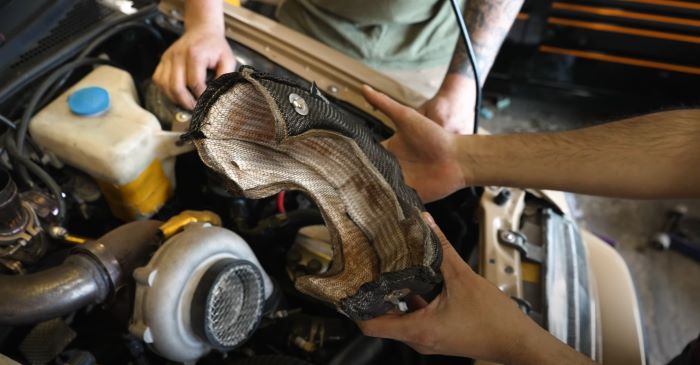
Winter cold can cause a “cold soak,” where the engine, battery, and fluids get extremely cold while the truck is parked. Cold-soaked engines take longer to start, and parts wear faster. Protecting your truck from cold soak is an essential step in any winter truck maintenance checklist.
An engine block heater warms the engine block and coolant before starting. This makes cold starts smoother and reduces strain on the battery and alternator.
Before winter, check that the block heater works properly. Inspect the wiring, ensure the thermostat functions correctly, and look for any signs of damage. A working block heater helps your truck start reliably even in sub-zero temperatures.
Even with a block heater, trucks parked for long periods in freezing weather can still suffer cold soak. To reduce damage:
These simple steps protect the heavy-duty engine and other critical systems, reducing the risk of breakdowns during winter.
Winter cold can make the battery work harder and reduce its efficiency. At the same time, the electrical system can suffer from corrosion, loose connections, or frozen components. Checking these parts before winter keeps your truck running safely and avoids unexpected breakdowns.
Cold temperatures make batteries lose power quickly. To keep your truck reliable:
A healthy battery supports the engine, alternator, and starting system in freezing weather. Skipping this check can leave you stranded on icy roads.
The alternator charges the battery and powers electrical systems. If it isn’t working well, the battery can drain quickly.
Check the alternator output and inspect all electrical connections for:
Fixing these issues early prevents winter breakdowns and keeps lights, heater, defroster, and other electrical systems working safely.
Winter roads are icy and slippery. Proper tires, traction tools, and brakes are essential to keep trucks safe and moving. Checking these parts is one of the most important steps in any winter truck maintenance checklist.
Cold temperatures make tire pressure drop. Low pressure reduces grip and increases the risk of slipping on ice or snow.
Regularly check tire PSI and keep it stable. Properly inflated tires improve handling, prevent uneven wear, and make the truck safer in harsh winter conditions.
Tires with worn tread struggle on snow and ice. Replace tires before they become too shallow.
Consider winter tire compounds and siping that increase traction on slick roads. This small change can make a big difference in stopping distance and vehicle control.
Even with good tires, trucks can get stuck in snow or ice. Using traction aids helps the truck move safely in tricky conditions.
Using these tools ensures that drivers are prepared for unexpected winter challenges.
Brakes are critical in icy conditions. Before winter:
Well-maintained brakes give better stopping power and prevent accidents on slippery roads.

Winter weather can reduce visibility and make the cabin cold and uncomfortable. Checking wipers, lights, and heater systems helps drivers stay safe and alert. Proper maintenance of these systems is a key part of any winter truck maintenance checklist.
Old or worn wiper blades cannot clear snow, ice, or salt effectively. Replace them before the season starts.
Also, fill the washer fluid reservoir with freeze-resistant washer fluid. This ensures the windshield stays clean and clear, improving visibility even during heavy snow or freezing rain.
Good lighting is essential in short winter days and snowstorms. Check all headlights, taillights, turn signals, and fog lights.
Replace any weak or burned-out bulbs. Full, working lights help you see the road and make your truck visible to other drivers, reducing the risk of accidents in winter storms.
A warm cabin improves comfort and safety. Check the heater, HVAC system, and defroster to ensure they provide steady warm airflow.
Inspect the heater core and defroster vents for blockages or leaks. Properly working systems prevent windshield fogging, which is critical for clear vision on icy roads.
Winter not only affects tires and fluids, but it can also impact other mechanical systems in your truck. Checking these systems helps prevent breakdowns and keeps the truck running safely on cold roads.
Cold weather can cause moisture to build up in the air brake system, which may freeze and reduce braking efficiency.
Regular checks keep air brakes working safely in icy conditions.
Leaky exhaust pipes can be dangerous, especially during long idling in winter. Check for cracks, holes, or rust. A well-maintained exhaust system prevents fumes from entering the cabin and ensures the engine runs efficiently.
Cold can damage serpentine belts and hoses, causing cracks or leaks. Inspect them carefully and replace them if needed.
Also, replace air filters to ensure the engine breathes properly. Clean air helps the engine perform better and prevents extra wear in freezing temperatures.
Winter affects transmission fluid, making it thicker and harder to flow. Use cold-weather-safe transmission fluid for smooth gear changes.
Check DEF (diesel exhaust fluid) levels and make sure the system is ready for winter. Proper fluid maintenance keeps the truck running reliably on cold days.
Winter driving can be unpredictable. Snow, ice, and freezing temperatures can leave trucks stuck or stranded. A well-prepared winter emergency kit ensures drivers stay safe and ready for any situation.
Start with the basics to protect yourself from the cold:
Winter roads can be tricky, even for the most experienced drivers. Include tools that help you get moving again safely:
For traction, don’t forget TruckClaws. These portable traction aids are easy to carry and work as an effective alternative to heavy mats or bulky boards. They help your truck get unstuck from snow or ice quickly, giving drivers confidence on slippery roads.
Winter conditions can be harsh, especially for trucks that run daily. Regular fleet maintenance and pre-trip inspections help prevent breakdowns and keep drivers safe on icy roads.
Before every route, do a quick walk-around inspection of your truck. Check for:
Even small issues can become serious problems in cold, icy conditions. Daily checks catch them early and reduce the risk of accidents.
Winter can hide problems that affect engine, brakes, lights, and traction. Make sure all these systems are functioning well before hitting the road:
Keep a simple record of each inspection. Logging helps:
Consistent records make your trucks safer and more reliable throughout the winter season.
Staying safe on winter roads starts with proper truck maintenance. Checking fluids, traction, brakes, lights, and electrical systems keeps your truck running reliably, even in freezing temperatures. Each of these steps reduces the risk of breakdowns and improves safety for drivers.
Using a structured winter truck maintenance checklist makes it easier to stay organized and ensure no important step is missed. By following regular inspections, preventive maintenance, and pre-trip checks, you can avoid surprises on icy or snowy roads.
Don’t forget about traction tools like TruckClaws. They are lightweight, portable, and extremely effective for getting your truck unstuck from snow or ice. Keeping them on board adds an extra layer of safety and peace of mind during winter trips.
Consistent preparation and careful attention to all systems—from engine fluids to brakes and visibility equipment—help reduce winter breakdowns. With the right maintenance plan, your truck stays safe, strong, and ready for any cold-weather challenge.