
When the temperature drops, your truck might struggle to start. This happens because cold weather affects key parts of the vehicle: like the battery, fuel lines, and engine oil.
Your battery loses power, fuel may not flow easily, and the oil gets thick, making it harder for the engine to turn over.
Whether you’re a long haul trucker, an off road adventurer, or someone who loves solo overlanding, cold starts are a common problem in winter. It’s frustrating, especially when you’re stuck miles away from help.
But here’s the good news: with smart planning, simple checks, and the right gear, including traction aids like TruckClaws, you can avoid these issues or fix them quickly.
In this guide, we’ll walk you through the causes and easy fixes so you can stay on the move, even when it’s freezing.
When the temperature drops, your truck’s systems don’t behave the same. Cold weather makes it harder for your truck to start, especially if the engine, battery, or fuel system isn’t in top shape. Below are the most common reasons why trucks have trouble starting in freezing weather:
The truck battery is the first thing to check. In cold weather, batteries lose power. The chemical reaction inside slows down, and the cranking power can drop by 30-50%.
Tip: Carry a multimeter to check voltage, and keep jumper cables or a portable starter in your truck for emergencies.
If your truck won’t start but the battery and starter are fine, the issue may lie deeper in the fuel system or ignition components.
Cold makes your engine oil thicker. When oil loses its viscosity, it becomes harder for the engine to turn over. This puts more strain on the starter and battery.
Solution: Switch to winter grade oil like 5W-30 or 0W-20. These stay fluid in low temperatures and make cold starts easier.
If you drive a diesel truck, your fuel can become a problem. Diesel gelling happens when wax in the fuel thickens in cold weather. Also, moisture in fuel lines can freeze and block flow.
Fix: Use anti-gel fuel additives, keep your tank at least half full, and consider insulating your fuel tank. Diesel trucks parked outside in freezing areas need extra care.
In diesel engines, glow plugs are used to heat the cylinders before ignition. In sub-zero weather, they may not get hot enough or may fail altogether.
If your check engine light is on and your diesel truck struggles in cold mornings, glow plugs could be the cause.
A worn out starter motor won’t have the strength to turn the engine, especially when everything is cold and sluggish.
If you hear clicking or grinding sounds when turning the key, the issue could be electrical and not just temperature related.
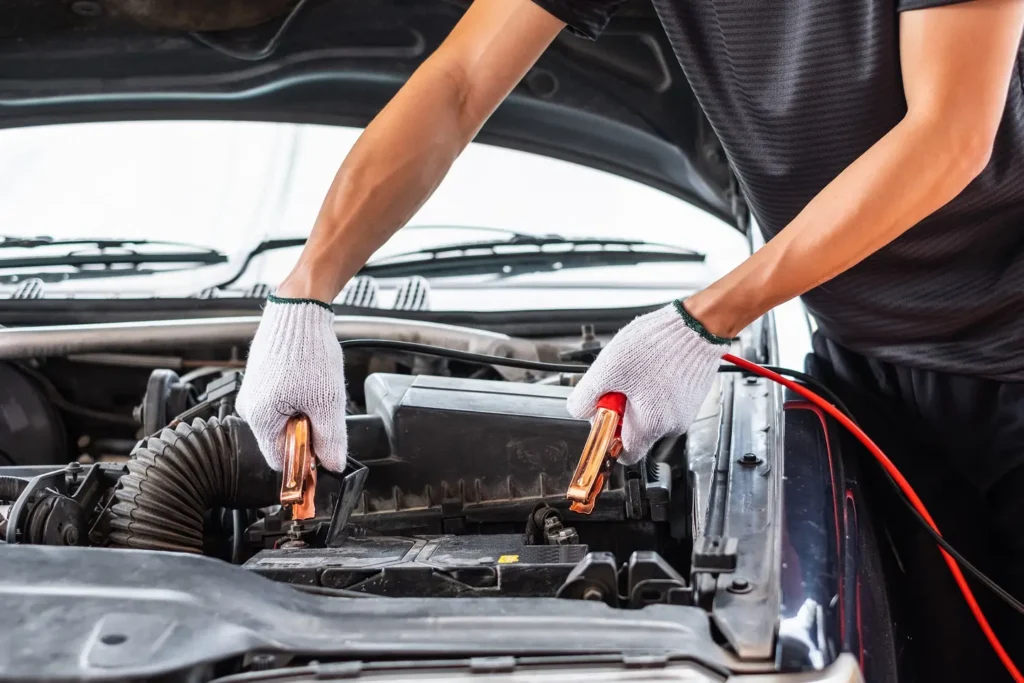
When your truck won’t start in cold weather, quick thinking and the right tools can make all the difference.
Whether you’re a long haul trucker, an off roader, or someone living in snowy areas, knowing a few emergency fixes can help get your engine running again, and keep you from being stranded in freezing temps.
A weak or dead battery is one of the most common reasons trucks fail to start in winter. Cold temperatures reduce the battery’s cranking power, especially if the charge drops below 12.4 volts.
Fix: Use heavy duty jumper cables or a portable jump box to get the battery going. Connect the cables properly, wait a few minutes to build charge, then try to start the engine. Always keep these tools in your truck during winter trips.
Cold engines struggle to turn over. Warming up the engine bay can help loosen thick oil and improve battery function.
Fix: Use heated blankets, engine heat pads, or simply park your truck under direct sunlight. This added warmth may help the engine crank more easily.
A block heater is a great winter tool many truckers and overlanders rely on. It heats the engine coolant or oil before you start the vehicle.
Fix: Plug in the block heater for at least an hour before starting the truck. This helps reduce engine stress and speeds up ignition even in sub-zero temperatures.
In freezing temps, diesel fuel can gel and block the fuel lines. Water vapor can also freeze and cause the same issue.
Fix: Keep fuel additives or anti-gel solutions in your emergency kit. Add them to your tank when you expect extremely cold weather. For extra safety, consider insulating your fuel tank and lines.
A worn out spark plug (for gas engines) or glow plug (for diesel) can make cold starts nearly impossible.
Fix: If your truck cranks but doesn’t start, the plugs might be to blame. Check them regularly, especially in older trucks or those used in extreme conditions, and replace them as part of your winter prep routine.
When temperatures drop, trucks suffer the most. But with a little planning, you can avoid those frustrating no start mornings and keep your rig running strong.
Before the cold creeps in, give your truck a full checkup. Focus on:
Pro tip: Handle these before the first cold snap. Don’t wait until the morning your truck refuses to start.
Even with good maintenance, starting a truck in the cold takes a bit of know how:
Even the most seasoned drivers can get caught off guard during a brutal winter storm. Whether you’re tackling icy highways or remote backroads, having the right gear can turn a dangerous situation into a manageable one.
Here’s your trail rated winter emergency checklist to stay prepared:
Pro tip: Winter recovery situations escalate fast. Having the right gear isn’t a luxury. It’s your safety net. Make sure everything is tested and easily accessible in your cab or bed box.
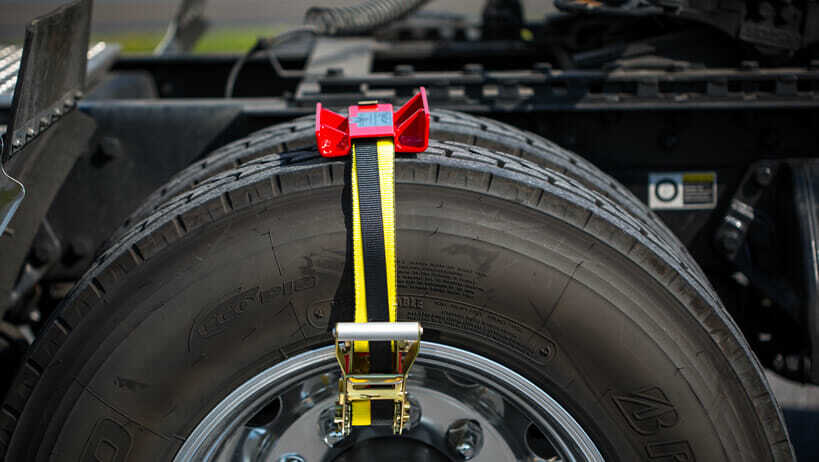
For solo overlanders, commercial drivers, and weekend explorers, TruckClaws have become the preferred traction solution over traditional boards, and for good reason.
When you’re off the beaten path, stuck in snow or mud, and there’s no team to help dig you out, speed and simplicity matter. That’s where TruckClaws stand out.
| Feature | TruckClaws | Traditional Traction Boards |
| Portability | Compact, stashable in-cab | Bulky, often roof rack dependent |
| Setup Time | Installs in minutes, no digging | May require terrain clearing |
| Durability | Reusable, rugged in extreme cold | Prone to cracking in freezing temps |
| Ideal For | Solo recovery in snow, ice, mud | Work best with team assistance |
| Cost | Affordable, great value | Premium pricing for high end brands |
TruckClaws are the go to for solo recovery, especially when you’re deep in snowy woods or navigating frozen backroads alone.
Instead of wrestling with heavy, brittle boards that need perfect placement and clearing, TruckClaws mount directly to your tires, giving you the grip you need right where it counts, no digging, no delay.
Next time you gear up, pack smarter, not heavier. Choose the traction tool built for real world recovery when conditions are unforgiving.
Getting stuck once is part of the adventure. Getting stuck every time? That’s a sign it’s time to level up your prep game. These proven trail tips can help you stay moving, without needing a tow every few miles:
Scout ahead using Gaia GPS or OnX Offroad, These apps help you visualize terrain, check trail conditions, and avoid dead ends that can trap larger rigs.
Adjust tire pressure based on terrain, A quality tire deflator and compressor combo lets you air down for traction, then air back up for the highway. Simple, effective, and a game changer in deep snow or loose sand.
Keep your momentum, but don’t spin your tires, Rocking the vehicle gently or feathering the throttle can help you break free. Flooring it just digs you in deeper.
Practice with your TruckClaws and other recovery gear before heading into remote areas, When it’s freezing, dark, and you’re axle deep in snow, it’s not the time to read the instruction manual.
Inspect your undercarriage and recovery kit regularly, A loose shackle, torn strap, or corroded brake line can turn a minor recovery into a major problem.
If you love the backcountry, respect it. Follow Tread Lightly! principles and always pack out more than you pack in.
Stay on designated OHV routes and check for BLM trail rules and permits before you head out.
Overlanding isn’t just about escaping civilization. It’s about preserving wild places for the next explorer. And the best explorers? They leave no trace but tire marks on legal trails.
Winter trails can be unpredictable, but getting stuck doesn’t have to ruin the adventure. Equip your truck not just for the drive, but for what might go wrong. Train for recovery like you’d train for the trail.
Whether you’re crawling through icy trails in Montana or snow bogged in Utah TruckClaws should be part of every overlander’s recovery kit. Don’t rely on luck, equip your rig with real traction power.
Cold weather thickens engine oil and slows battery cranking. Diesel fuel also gels at low temps, making ignition harder. Weak glow plugs, low compression, or frozen fuel lines can worsen the issue.
Use a diesel anti-gel additive before temps drop. If already frozen, move the vehicle to a warm area or apply gentle heat to the lines using a heat gun. Avoid open flames.
Yes. TruckClaws grip onto ice covered surfaces effectively, making them ideal for winter recovery on driveways, roads, and off road trails. Just ensure they’re attached correctly for safe traction.
They can be, but only in the right conditions. Traction boards often require digging and teamwork, which can be tough solo. That’s why many overlanders prefer TruckClaws for snowy recoveries: they’re faster, easier, and work without a co-pilot.
For solo overlanders or truckers, TruckClaws beat traditional boards thanks to their packability, no dig setup, and reliable grip on ice, snow, and mud. They’re designed to get you unstuck without outside help.