
Your truck doesn’t break down overnight — it breaks down from being ignored.
Many truck owners don’t realize it, but the real reason they face high truck repair costs isn’t just bad luck. It’s small issues left unchecked for too long.
Things like skipping oil changes, ignoring warning lights, or using cheap replacement parts slowly wear your truck down until something big — and expensive — finally breaks.
If you want to know how to reduce truck repair costs, it all begins with regular care. Most truck maintenance mistakes are easy to avoid, but they often get missed because either no one takes charge or people assume someone else will handle it.
Whether you drive alone or manage a fleet, it’s important to understand that proper technical maintenance and driver responsibility go hand in hand.
Both are needed to keep your truck running well and to avoid losing money on avoidable repairs.

When a warning light shows up on your dashboard, it’s not just a small problem. It’s your truck’s way of telling you something is wrong.
These lights are early signs of engine problems, transmission issues, low fluids, or even brake failure.
Many drivers ignore these lights, hoping the problem will go away. But it doesn’t — it gets worse. And the longer you wait, the more damage it can do.
That small light could mean your engine is overheating, your oil is low, or your brakes aren’t working right. Ignoring it might turn a small fix into a big repair job that costs thousands.
To stay ahead, use a simple tool like an OBD-II scanner. This device reads your truck’s vehicle diagnostics and shows what the warning lights really mean.
Even if you’re not a mechanic, you can get a basic idea of what’s going on — and fix problems before they get worse.
Paying attention to dashboard warning lights can save your engine, protect your safety, and stop you from spending more money than needed.
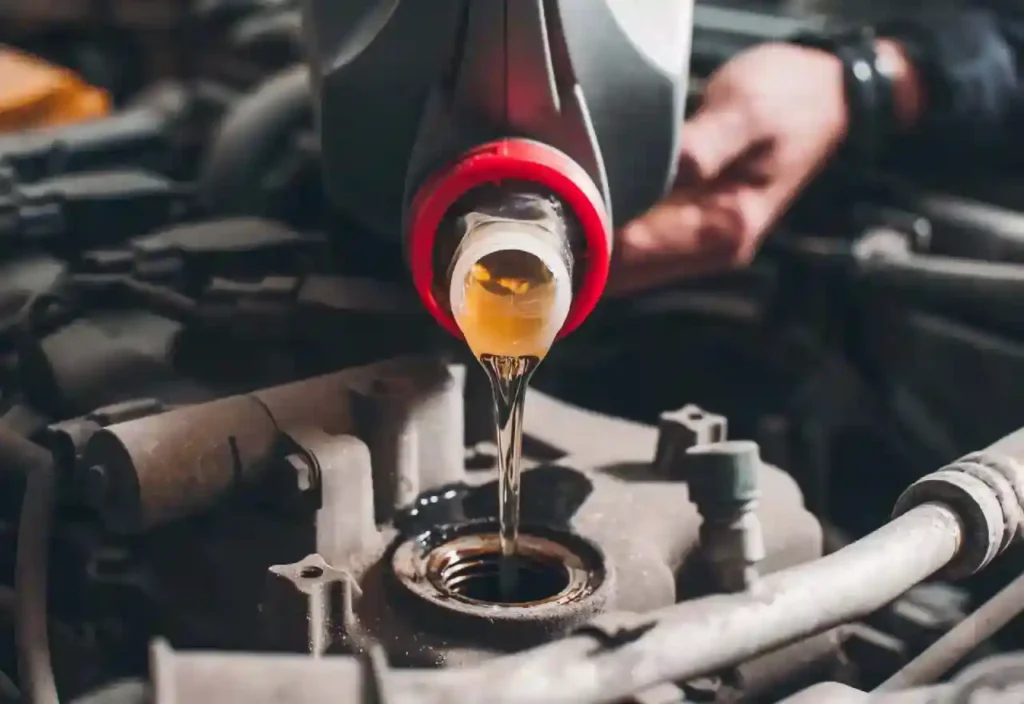
One of the biggest mistakes truck owners make is skipping regular oil changes. It may not seem like a big deal at first — but it can destroy your diesel engine over time.
Here’s a real example: A company van went 18,000 miles without an oil change. The result? Thick, dirty oil that couldn’t protect the engine anymore.
It started burning oil, made loud lifter noise, and almost faced a complete engine failure. All of this could’ve been avoided with one simple oil change.
So, what happens if you skip truck oil change?
Your engine oil breaks down. It stops cooling and protecting the engine. Dirt and heat build up inside, which can lead to serious damage like worn-out parts or even a full engine breakdown.
To avoid this, always follow your maintenance log. Don’t guess — know when the next oil change is due. It’s a small job that saves you from a very big bill.
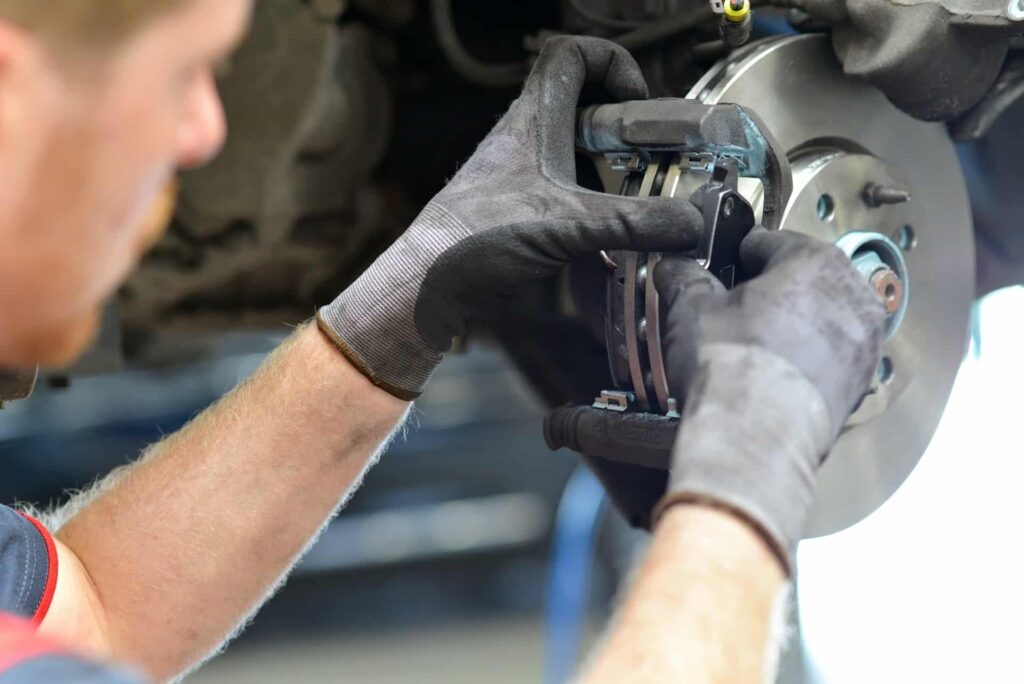
Brakes are one of the most important parts of your truck. If you hear squeaking, feel shaking, or notice it takes longer to stop — don’t ignore it. These are signs your brakes need attention.
Many drivers delay brake maintenance, thinking it’s not urgent. But the longer you wait, the more damage you can do.
Worn-out brake pads can start scraping the rotors. If ignored, this can lead to damage to the calipers too — and all of these are costly parts to replace.
On the other hand, a routine brake check is quick and much cheaper.
Also, don’t forget to check your brake fluid. If it’s dirty or low, it can affect your truck’s stopping power and make your brakes feel soft.
Whenever you feel unsure, it’s best to visit an ASE-certified mechanic. They’re trained to spot brake problems early and fix them right.
Regular brake maintenance not only saves you money — it could also save your life.
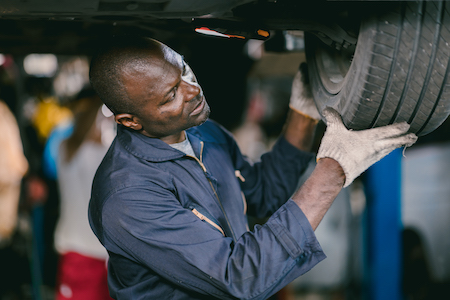
Your truck’s tires do more than just roll — they carry the whole load. When you skip regular checks or don’t rotate your tires, they start to wear unevenly. This leads to weaker grip, poor traction, and increases the risk of tire blowouts.
Blowouts don’t just slow you down — they can cause serious accidents or leave you stuck in dangerous spots.
One of the best practices for truck tire care is to rotate your tires every few thousand miles. This helps them wear evenly and last longer.
Also, checking air pressure regularly with a tire pressure gauge keeps your tires strong and ready for the road.
Even with good care, tires can still slip — especially on mud, ice, or loose gravel. That’s why you should always carry a traction aid tool for emergencies.
In such situations, a smart and reliable tool like TruckClaws can help restore grip when your tires let you down.
Whether you’re stuck in snow or soft ground, TruckClaws give your truck the bite it needs to break free.
A little care today can save your tires — and your trip — tomorrow.
In many companies, trucks are shared between several drivers. The problem? Everyone thinks someone else will handle the maintenance.
As a result, no one checks the oil, reports brake issues, or keeps track of tire wear. This leads to problems being missed — and money being wasted on big repairs later.
So, who should be responsible for company vehicle maintenance?
The answer is simple: there should always be one person or team clearly in charge. Without clear responsibility, small problems often go unnoticed until they become serious.
Strong fleet management includes having a system to track checkups, repairs, and driver reports.
A good fleet maintenance system sends reminders, keeps logs, and helps assign tasks. This way, no truck gets forgotten.
When drivers know what they’re responsible for, and managers have the right tools in place, trucks stay in better shape — and repair costs stay low.
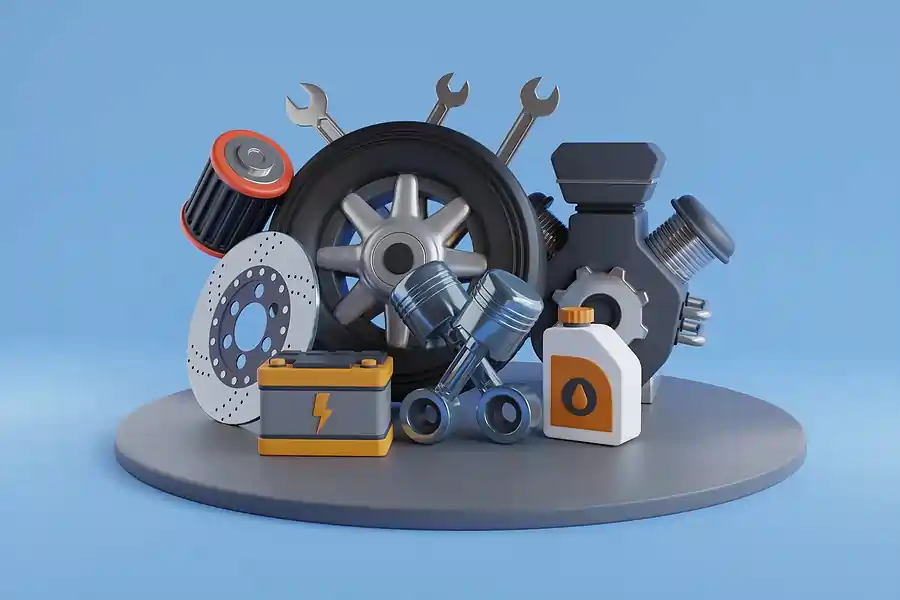
Saving money by buying cheaper parts may sound like a good idea — but it often leads to bigger problems.
Low-quality parts wear out faster, break more easily, and can even cause damage to other systems in your truck.
For example, cheap brake pads may not stop your truck as well. Weak drive belts can snap suddenly.
Faulty spark plugs can make your engine misfire or lose power. These small parts play a big role in keeping your truck safe and running smoothly.
One of the biggest risks of using cheap truck parts is that they may void your warranty. Many warranties only stay valid if you use approved or high-quality parts. If something goes wrong, you might have to pay the full cost yourself.
This is also true when it comes to recovery tools. Some drivers use basic mats or low-quality chains to try and get traction when stuck. But those often fail when you need them most.
That’s why TruckClaws stands out — it’s a better-quality traction solution. Built to handle tough conditions like mud, snow, and sand, TruckClaws are strong, reusable, and trusted by pros.
When your truck is stuck, having a tool that works right the first time can make all the difference.
Choosing the right parts and tools isn’t just about saving money now — it’s about protecting your truck in the long run.
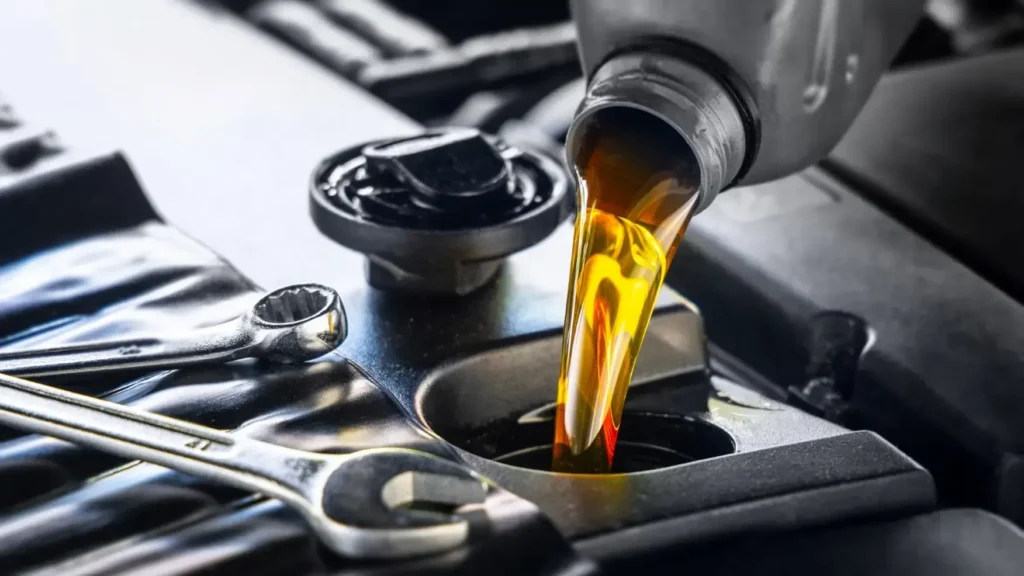
Your truck runs on more than just fuel — it depends on many other fluids to stay healthy. Skipping regular fluid changes is one of the quietest ways to damage your vehicle without even knowing it.
When you delay checking or changing important fluids like transmission fluid, brake fluid, or coolant, your truck starts to suffer. Old or low fluid levels can lead to:
Over time, these small issues can grow into engine damage or full system breakdowns.
This is a clear example of how neglecting maintenance damages truck engines. Just like oil keeps the engine running smooth, coolant keeps it from overheating, and brake fluid helps you stop safely.
Making fluid checks part of your regular routine takes just a few minutes — but it can save you from days of downtime and costly repairs.
A healthy coolant system and fresh fluids protect your engine and make your truck last longer.

When something feels wrong with your truck, how you describe the issue matters a lot. If you give the wrong details — or not enough — your mechanic might fix the wrong thing. That means wasted time, extra costs, and problems that keep coming back.
This is why learning how to talk to your truck mechanic effectively is so important.
Good mechanic communication starts with being honest and specific. Tell them when the issue started, what sounds you hear, and what changes you’ve noticed. The more they know, the better they can help.
Also, don’t be afraid to ask questions at the repair shop. You’re not expected to know everything — but you do have the right to understand what’s being done to your truck.
And here’s a smart tip: always ask for your old parts back. This helps confirm that they actually replaced what needed fixing. It also gives you a chance to see if the same part keeps failing again and again.
Clear communication helps your mechanic do their job right — and keeps your truck running longer, with fewer surprises.
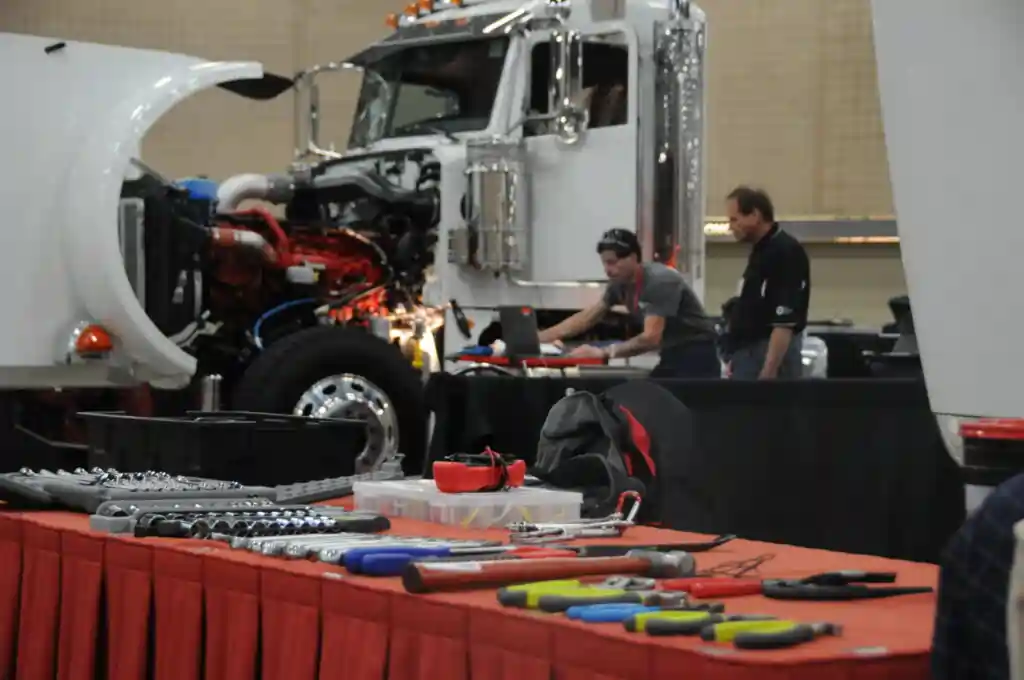
Trying to fix your truck on your own might save money at first — but if you’re not trained, it can lead to much bigger problems.
Many owner-operators attempt repairs without the proper tools or knowledge. A faulty brake job or incorrect electrical rewiring can make your truck unsafe to drive. You might end up with more damage than you started with.
These are real examples of DIY truck repair risks. Even something that looks simple can be tricky. Modern trucks are complex, and fixing one part the wrong way can affect many other systems.
That’s why it’s smarter to let certified mechanics handle complicated repairs. They have the training, the right tools, and the experience to do the job right.
Also, don’t wait until something breaks. Set up a schedule for routine tune-ups. A small check today can prevent a costly failure tomorrow — and help your truck stay safe on the road.
Imagine this: you’re driving through deep mud, icy roads, or soft sand — and suddenly your truck gets stuck.
Your tires spin, but you’re going nowhere. It happens fast, and if you’re not ready, it can cost you hours of downtime or even a tow bill.
That’s why every driver should carry the right vehicle recovery tools. A well-stocked emergency truck kit can be the difference between being stuck and getting back on the road quickly.
One tool you should never skip? Traction aids.
Unlike bulky mats or expensive alternatives like Maxtrax, TruckClaws provide a compact, effective, and reusable traction solution trusted by professionals.
They strap directly onto your tires and give your truck the grip it needs to escape mud, snow, or sand — fast.
When you’re far from help, having the right tool in your truck isn’t just smart — it’s necessary. Keeping emergency traction aids like TruckClaws onboard means you’re always prepared, no matter what the road throws at you.
Fixing a breakdown always costs more than preventing one. That’s why smart truck owners and fleet managers focus on preventive maintenance — small habits that keep problems from ever starting.
Here’s a simple maintenance checklist to follow:
Even if your truck seems to run fine, don’t skip regular inspections. Small signs like low fluids, dirty filters, or worn belts are easy to miss — but they can turn into big repair bills if ignored.
If you manage a fleet, using tools like fleet telematics and vehicle health monitoring systems makes this easier. These systems alert you when maintenance is due, track driver habits, and give real-time updates on truck health.
By following a clear schedule and using the right tools, you can avoid most truck maintenance mistakes — and save a lot of money down the road.
Neglecting your truck might not seem like a big deal today — but over time, those missed oil changes, skipped inspections, and ignored warning lights can lead to breakdowns that cost thousands.
Every mistake we’ve covered — from poor brake maintenance to using low-quality parts — adds up. But the good news is, they’re all avoidable.
The key is simple:
Being prepared means fewer breakdowns. Whether it’s engine care or tire traction, smart tools like TruckClaws help protect both your truck and your budget — giving you peace of mind no matter where the road takes you.